

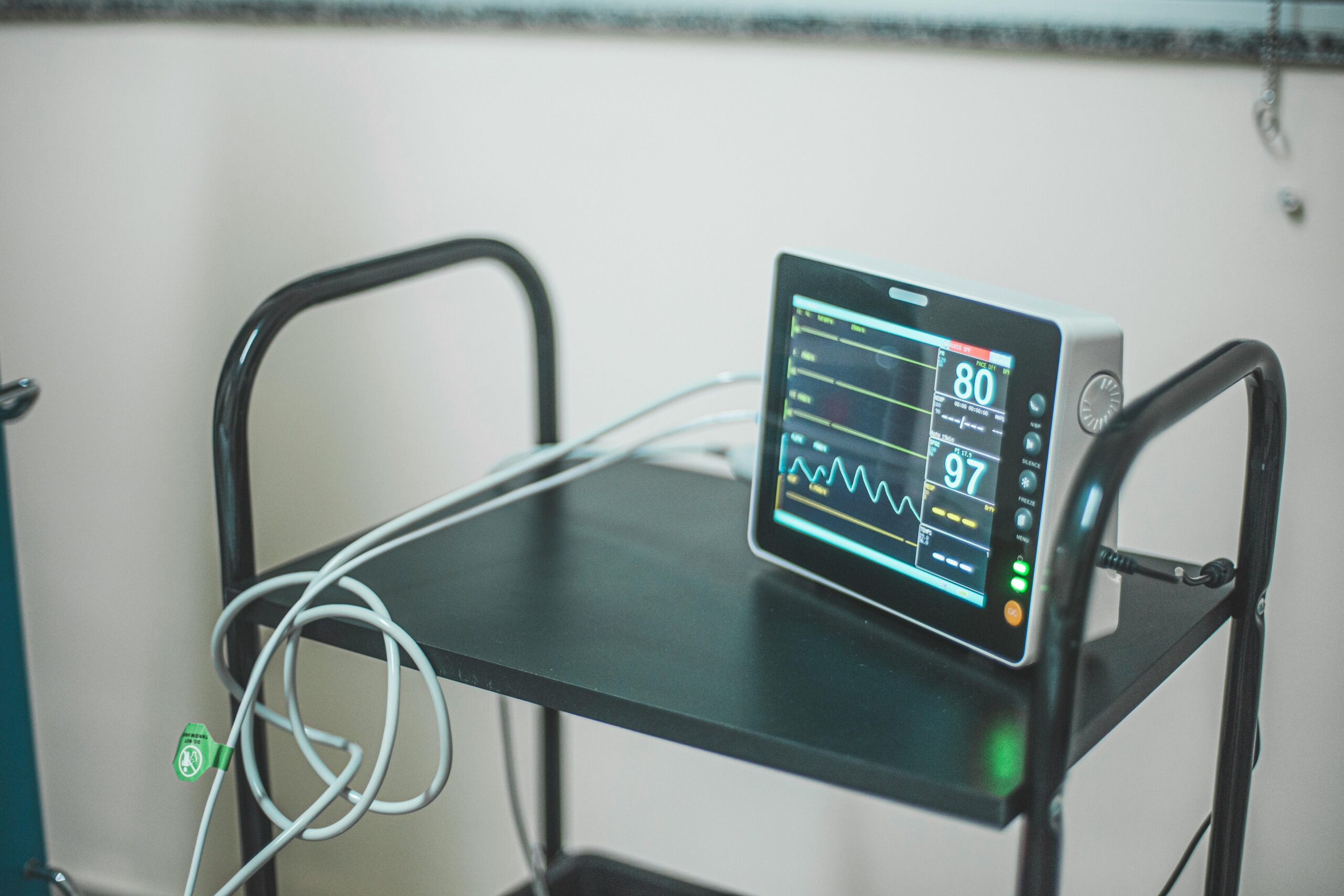
Imagine your smartwatch noticing a dangerous heart rhythm and alerting your doctor before you even feel a flutter. Emerging technology in healthcare is moving beyond science fiction into daily life. Instead of replacing doctors, AI in healthcare acts like a super-powered magnifying glass, analyzing data to spot subtle warning signs humans might miss. By turning everyday devices into diagnostic assistants, these tools are solving the dangerous problem of late detection.
Faster, Sharper, Better: Why Your Doctor Needs an AI Sidekick
Consider the last time you had an X-ray or MRI. You likely waited anxiously while a specialist analyzed a gray, blurry image, searching for shadows that should not be there. Artificial intelligence changes this dynamic by acting as a super-powered second pair of eyes. It does not replace your physician; instead, it uses pattern recognition, scanning millions of previous case files in seconds, to highlight tiny anomalies that a human might miss due to fatigue or the sheer subtlety of the problem.
This technology upgrades the quality of your care in three distinct ways. First, imaging precision allows algorithms to flag potential fractures or tumors instantly, allowing treatment to start sooner. Second, symptom cross-referencing enables computers to compare your unique symptoms against global databases to help identify rare conditions. Third, administrative automation handles complex data entry, reducing the chance of clerical errors affecting your health records.
Beyond diagnostics, technology is solving the frustration of talking to a doctor’s back while they type furiously. Using Natural Language Processing, software that allows computers to understand and record human speech, AI can now listen to your appointment and automatically write medical notes. This shift lets your physician focus entirely on you rather than their keyboard.
Your Home as the New Clinic: How Smart Tech Saves Lives Daily
Managing a chronic condition usually means waiting months between appointments to see if a treatment is working. New wearable devices change this dynamic by tracking your vitals every single day from your living room. The Internet of Medical Things connects sensors such as a smart blood pressure cuff directly to your care team. Instead of a snapshot every six months, your doctor gets a continuous picture of your health. This transforms healthcare from reactive emergency fixes to proactive daily management.
Transmitting sensitive information over the internet naturally raises privacy concerns. Fortunately, reputable providers treat your heart rate data with the same rigor as your credit card number. Modern health platforms rely on advanced encryption, scrambling your data so only authorized medical staff can read it. Just as you trust a banking app to protect your finances, these platforms are built to keep your personal records safe while ensuring your doctor has the information needed to keep you healthy.
Taking the First Step Toward a Tech-First Health Plan
You no longer need to wait passively for your next appointment to manage your health. Technology has shifted the patient experience from a waiting game into an active partnership. Ask your provider for patient portal access, review the privacy settings on your health apps, and sync one wearable device to track daily activity. Taking these small steps puts the power of personalized medicine right in your pocket.


