

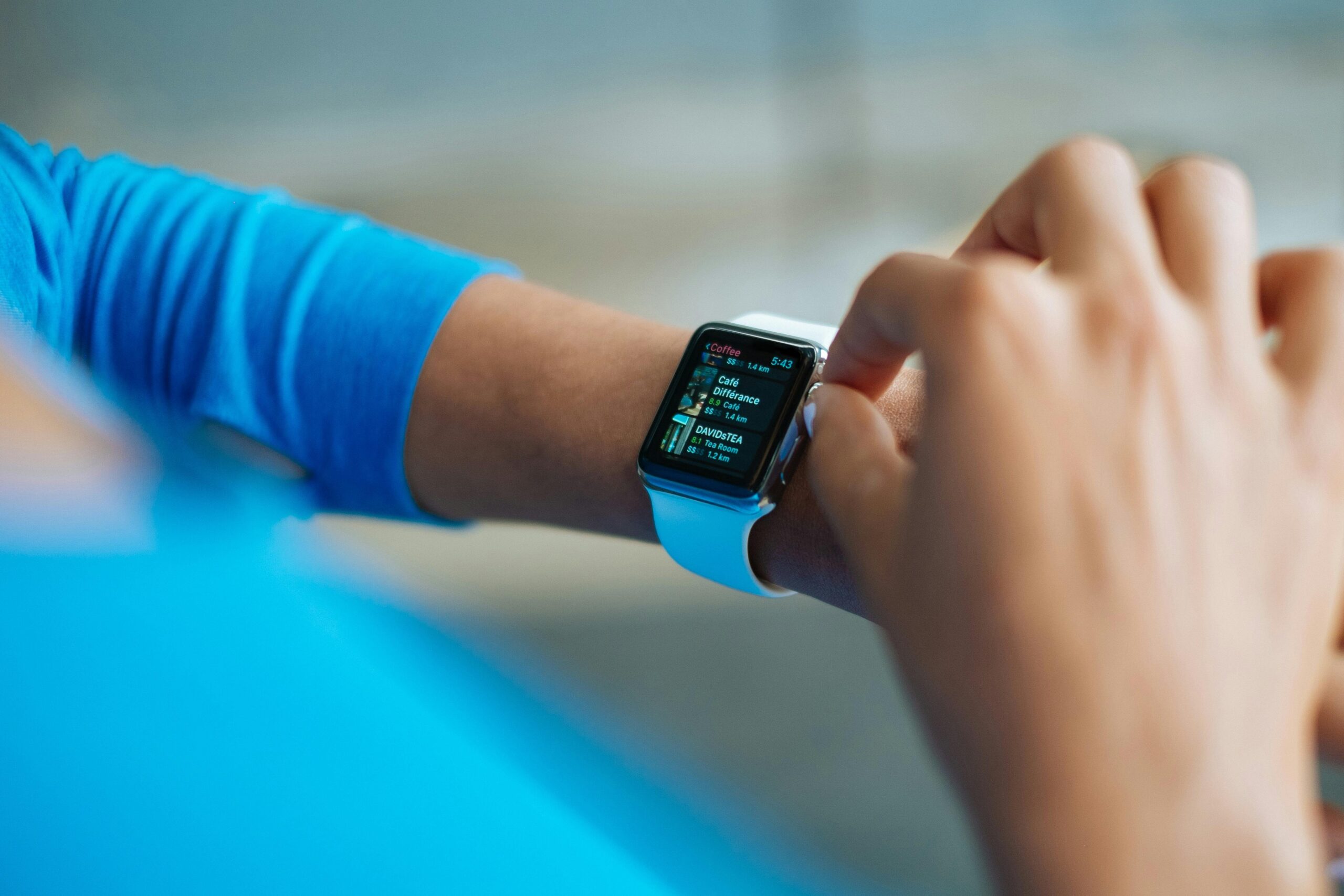
You wake up feeling groggy, but instead of guessing why, you glance at your wrist to find the answer: you missed your optimal deep sleep window by forty minutes. This scenario, once reserved for science fiction, has become a standard morning ritual for millions adopting smart wearable devices. It represents a fundamental change in how we view personal health.
While early gadgets focused on simple tallies like step counts, current wearable technology trends are moving toward something far more valuable: prediction. Industry experts describe this as a shift from reactive tracking, which records a fever after you feel sick, to proactive prevention. Modern sensors now analyze subtle changes in skin temperature and heart rate variability to warn you of an illness days before the first sneeze.
Think of this evolving technology as an invisible assistant working quietly in the background. Rather than nagging you with constant notifications, it observes your body’s patterns to offer actionable advice only when necessary. As these trends accelerate, the familiar plastic wristband is giving way to sleek smart rings and sensor-woven fabrics. We are entering an era where technology moves off screens and into our lifestyle to keep us healthier, longer.
Why Smart Rings Are Challenging the Smartwatch Throne
Walking into a coffee shop today, you might notice something missing from people’s wrists. Many users are trading their glowing screens for subtle bands on their fingers. This shift is not just about fashion; it represents a functional upgrade in how we capture health data.
The top of your wrist is actually a difficult place to measure heart rate accurately. The skin is thicker there, and bones often block the light sensors trying to read your blood flow. Your fingers, by comparison, are packed with arteries right near the surface, giving these tiny rings a much clearer signal. Arteries are closer to the skin, making pulse detection easier. Rings also slip less than watches, ensuring constant sensor contact, and there is less muscle movement on a finger to confuse the data.
Beyond accuracy, smart rings are defined by invisible tracking. A ring liberates you from late-night notifications and the blue light that disrupts your rest, enabling continuous monitoring without the bulk of a watch face.
Comparing the Oura Ring vs. the Whoop Strap
Deciding between these two devices usually comes down to whether you view your health through the lens of a balanced lifestyle or intense athletic training. The Oura Ring blends jewelry with a readiness score, telling you how prepared you are for the day based on last night’s rest. In contrast, the Whoop strap is a screen-free wristband that acts like a coach, specifically tracking strain to push athletes toward their physical limits without injury.
Both devices rely heavily on a subscription model, meaning the hardware purchase is just the entry fee for accessing your own data. You are not paying for the sensors as much as the daily interpretation of whether you need a nap or a hard workout.
In terms of primary goal, Oura prioritizes holistic sleep health while Whoop focuses on workout intensity and cardiovascular recovery. In terms of aesthetic style, Oura mimics fine jewelry with a titanium build while Whoop resembles functional athletic gear with a fabric strap. Both utilize battery-saving techniques by removing the screen entirely, allowing them to last nearly a week on a single charge.
The Reality of Non-Invasive Glucose Monitoring in Smartwatches
Managing energy levels is not just about sleep; it is often about what we eat. For decades, tracking blood sugar meant painful finger pricks, but non-invasive glucose monitoring smartwatches are promising to change that. These emerging devices use advanced light sensors similar to those checking your heart rate to estimate blood sugar levels without drawing a single drop of blood.
While the concept sounds futuristic, the technology is currently more like a weather forecast than a medical lab report. Regulatory bodies have issued warnings about relying on smartwatches for diabetes management because sensor accuracy in consumer devices is not yet precise enough for dosing insulin. A watch might successfully tell you that your sugar is spiking after a pasta dinner, but it cannot yet give you the exact numbers needed for medical decisions.
This lack of clinical precision does not mean the data is useless for the average person trying to stay healthy. Seeing general trends helps you understand how your body reacts to specific foods, stress, or a lack of sleep. Instead of obsessing over a specific number, you can use these insights to choose a high-protein breakfast over a bagel if you notice your energy crashes mid-morning.
AI Health Coaching: Moving Beyond Data to Actionable Daily Advice
Staring at a graph of your heart rate history rarely tells you how to fix your fatigue. This is where the newest generation of wearables shifts from passive tracking to active guidance. By using AI-powered health coaching features, devices now act less like a spreadsheet and more like a personal trainer who knows exactly how well you slept.
Just as a meteorologist combines wind speed and pressure to predict a storm, these algorithms analyze subtle changes in your body temperature and heart rhythm to forecast stress. Instead of raw numbers, you might receive clear, actionable notifications such as “Your recovery score is low; swap your morning run for yoga,” “Stress levels are peaking; take a two-minute breathing break,” or “You have been sedentary for three hours; take a walk to boost energy.”
Once the software becomes smart enough to understand your body without you constantly checking a screen, the hardware itself can begin to fade into the background, paving the way for sensors woven directly into the clothes we wear every day.
Smart Fabrics and Bio-Patches: Wearables That Disappear into Your Wardrobe
Moving beyond rigid plastic, smart clothing is transforming how we interact with data. Instead of forcing you to look at a screen, imagine yoga pants that buzz softly to correct your posture or a jacket that taps your shoulder to signal a turn while walking. This allows you to stay present in the moment while your wardrobe acts as an invisible guide.
Athletes are already seeing the benefits through smart fabrics that track muscle activity, eliminating the need for bulky chest straps by embedding microscopic sensors directly into the fibers and analyzing movement efficiency in real time.
The impact extends to healthcare, where adhesive bio-patches transmit vital signs to doctors automatically, allowing older adults to maintain independence at home while ensuring their care team spots potential issues instantly. Adopting connected textiles does require checking practical factors like washability, as electronics and laundry water have a complicated relationship.
How to Choose the Right Fitness Tracker for Your Specific Life Stage
Finding the perfect wearable often feels like navigating a maze of identical-looking bands. Ignore the marketing hype and focus on the specific features that actually support your daily routine, rather than paying for capabilities you will never use.
Priorities shift dramatically depending on who is wearing the device. While an endurance athlete might prioritize GPS precision to track pace, choosing a tracker for older adults requires focusing on safety-critical tools such as fall detection sensors that automatically alert emergency contacts if a hard impact occurs, high-contrast screens with large font options for readability, and irregular heart rhythm alerts for proactive health monitoring.
Even the most advanced device is useless if the data is not accurate. Ensuring a snug fit just above the wrist bone guarantees the numbers you see are real. However, as these devices collect increasingly intimate details about your body, understanding where that information goes becomes the next critical consideration.
The Privacy Trade-off: Protecting Your Most Personal Health Data
Syncing your watch feels magical, but it triggers an important question: who actually owns the map of your heartbeat? When you upload sleep patterns or stress levels, that information often sits on company servers rather than staying locked on your phone, making it accessible to more than just your doctor.
Unchecked data sharing creates real vulnerabilities beyond simple password theft. Sensitive details can be sold to advertisers or used by insurance algorithms. Furthermore, unmanaged notifications can fragment your focus, creating a drain on productivity rather than the efficiency boost you expected.
Regaining control takes just a few minutes in your settings menu. Enable two-factor authentication to lock your account. Review your app permissions and revoke access for apps that do not need your health stats. Read the privacy policy to check for data-selling clauses or biometric privacy labels.
Your Wearable Roadmap: Transforming Knowledge Into Habit
You have moved past simply checking steps to understanding how smart wearable devices act as personal health forecasters. This shift from reactive tracking to proactive prediction means your data now works silently in the background to spot stress or fatigue patterns before you even feel them.
Start by identifying one specific health goal, like better sleep, and select a device shape that fits your daily routine. Set clear boundaries with your new AI coach to ensure these insights build confidence rather than anxiety. As wearable technology makes these sensors increasingly invisible, remember that the most effective device is simply the one you consistently wear. Focus on long-term trends rather than daily scores to turn this technology into a partner for a healthier life.


