

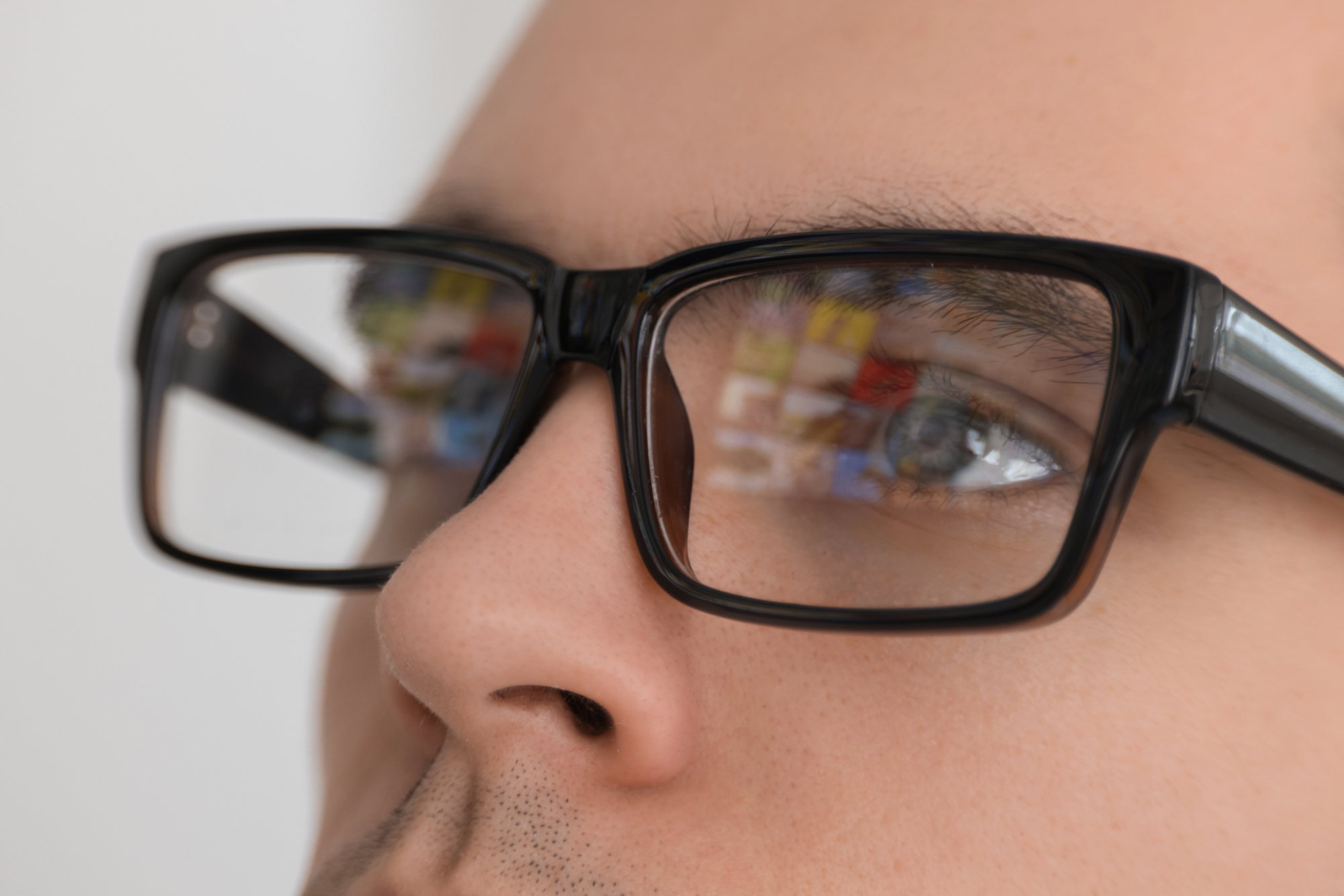
After a decade of false starts and awkward prototypes, smart glasses are finally becoming something people actually want to wear. Here is what changed and what they can actually do today.
Cast your mind back to 2013. Google had just released Glass to a small group of early adopters, a pair of eyeglasses with a tiny prism display mounted above the right lens that could show notifications, take photos, and answer questions out loud. The technology press called it revolutionary. The general public called it creepy. Within two years it was quietly shelved, remembered mostly as a cautionary tale about launching hardware before society was ready for it.
That story has a sequel, and it reads very differently. Smart glasses in 2025 look nothing like the awkward headgear of a decade ago. They look like regular glasses. They work without making the person wearing them look like they are auditioning for a science fiction film. And for the first time, a meaningful number of ordinary people are actually buying them, wearing them daily, and finding them genuinely useful.
What Smart Glasses Can Do Right Now
The most widely adopted smart glasses on the market today are the Ray-Ban Meta glasses, developed in partnership between Meta and the iconic eyewear brand. They are a useful benchmark because they represent what the category looks like when the priority is wearability over spectacle.
From the outside, they are indistinguishable from a regular pair of Ray-Bans. Inside the frames sit small speakers, a microphone array, a camera, and a chip that connects to your phone. You can listen to music and podcasts, take hands-free calls, capture photos and short videos from your point of view, and interact with a voice assistant without reaching for your phone. The camera sits at eye level, which turns out to produce a far more natural and immersive perspective than holding a phone up to record something.
More recent versions have added a small LED display visible only to the wearer, capable of showing basic information like the time, a caller’s name, or AI-generated responses to questions asked out loud. Ask what the building in front of you is, and the glasses can identify it. Ask for a translation of the sign across the street, and one appears in your line of sight. These are capabilities that felt implausible a few years ago and now work reliably enough to be useful in daily life.
Why This Generation Feels Different
The honest answer to why smart glasses failed in their first wave and are succeeding now involves several things coming together at roughly the same time. Battery technology improved enough to power meaningful computing inside a frame light enough to wear comfortably all day. Miniaturization advanced to the point where speakers, cameras, and processors could be embedded in temples no thicker than those on ordinary glasses. And crucially, voice AI became good enough that talking to your glasses produces useful results rather than frustrating ones.
The social calculation also shifted. Wireless earbuds normalized the idea of wearing technology on your head in public. Once people stopped raising an eyebrow at someone talking to thin air through AirPods, the conceptual leap to glasses with built-in audio became much smaller. The design lesson from Google Glass, that the technology had to look normal before people would wear it, finally got taken seriously by the manufacturers who came after.
The Different Types Worth Knowing About
Smart glasses sit on a spectrum that runs from audio-focused frames at one end to full augmented reality headsets at the other, with several distinct categories in between.
Audio glasses are the simplest and most mature category. They look entirely like regular glasses and add only speakers and a microphone. Bose had early products in this space, and several other manufacturers offer variations today. They are the easiest entry point for anyone curious about the category who does not want to commit to anything more involved.
Camera and AI glasses, like the Ray-Ban Meta range, add visual capture and AI assistance to the audio foundation. They remain socially acceptable in most settings and offer enough practical utility to justify daily use for many people.
At the more ambitious end sits augmented reality, where digital images are overlaid onto the real world through the lenses. Apple Vision Pro explored this territory, though as a headset rather than glasses. True AR glasses that deliver convincing overlays in a frame light enough for all-day wear remain an active area of development. Several companies including Google, Samsung, and various startups are working toward it, but no product in this category has yet achieved mainstream readiness.
The Privacy Question That Will Not Go Away
Smart glasses with cameras introduce a genuine social tension that deserves honest acknowledgment. When someone wears glasses with a built-in camera, the people around them may have no idea they are being recorded. This is meaningfully different from someone holding up a phone, which signals clearly that recording is happening.
Manufacturers have addressed this with indicator lights that activate when the camera is in use, but these are easy to miss in practice. The question of what is appropriate to record, where, and with whose knowledge is one that technology cannot answer on its own. It is a conversation that society is still actively working through, and the outcome will shape how and where smart glasses are accepted over the coming years.
Who Should Actually Consider Buying Them
For most people right now, the most practical entry point is a pair of audio glasses or the Ray-Ban Meta range if the camera and AI features appeal. They work best for people who spend a lot of time listening to audio during commutes or workouts, people who take a lot of calls and want their hands free, and people who are genuinely curious about where AI assistants are heading and want to try the most natural interface yet built for them.
They are not yet a replacement for a smartphone. The screens, where they exist at all, are small and limited. The camera quality, while improving, does not match a dedicated phone camera. And the battery life, typically measured in a few hours of active use, requires charging habits that not everyone will find convenient. These are real limitations, not deal-breakers, but they shape what the product is actually good for today versus what it will eventually become.


