

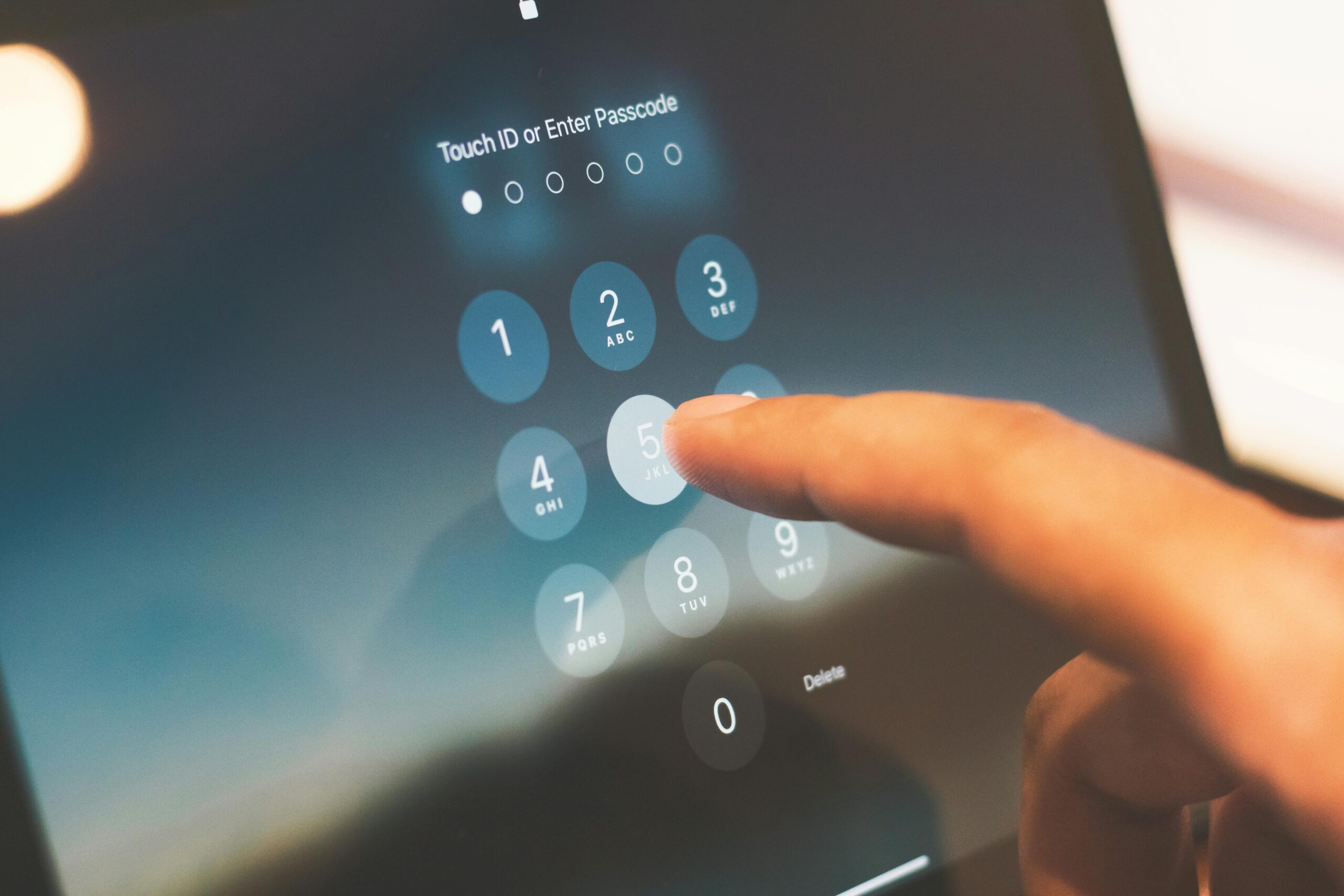
In an era where digital interactions are a cornerstone of daily life, ensuring the safety of personal and sensitive information is paramount. Traditional methods of security, such as passwords and PINs, are increasingly vulnerable to breaches. Enter biometric authentication—a sophisticated yet accessible solution designed to safeguard user identities with greater precision and reliability.
Biometric authentication refers to the use of unique biological traits for verifying identity. Unlike traditional passwords, biometric methods provide an extra layer of security by utilizing inherent physical characteristics that are difficult to replicate or steal. This technology includes methods such as fingerprint scanning, facial recognition, voice recognition, and even iris scanning. Each method offers a distinct approach to identity verification, providing businesses and users with a range of options to enhance security.
The adoption of biometric authentication methods has surged in recent years, fueled by advancements in technology and an increasing demand for secure access solutions. Businesses across various sectors—from banking to healthcare—are integrating these methods to protect sensitive data and improve user experiences. Not only do these technologies offer enhanced security, but they also streamline the login process, reducing friction for users.
Fingerprint scanning is one of the most widely adopted biometric authentication methods. It involves capturing the unique patterns of ridges and valleys on a person’s fingertip. Modern smartphones often incorporate fingerprint sensors, making this method both accessible and user-friendly.
Facial recognition technology analyzes the unique features of an individual’s face to verify their identity. This method is prevalent in both consumer electronics and security systems due to its non-intrusive nature and ease of use.
Voice recognition technology verifies identity by analyzing vocal patterns. It offers a hands-free authentication option, which is particularly beneficial in environments where manual input is impractical.
Iris scanning examines the unique patterns in the colored ring around the eye’s pupil. Known for its high accuracy, this method is often used in high-security environments.
Biometric authentication significantly reduces the risk of unauthorized access. Unlike passwords, which can be forgotten, stolen, or hacked, biometric traits are inherently tied to the individual. This makes it nearly impossible for impostors to gain access without the person’s presence.
Biometric methods streamline the authentication process, eliminating the need to remember complex passwords or carry multiple authentication devices. This convenience enhances user satisfaction and can lead to increased adoption rates.
By providing a more secure verification process, biometric authentication helps prevent identity theft and fraud. Organizations can safeguard sensitive data and maintain user trust by ensuring that only authorized individuals have access to their systems.
In the financial sector, biometric authentication offers a robust solution for securing transactions and protecting customer information. Banks and financial institutions utilize biometric data to streamline customer onboarding and enhance transaction security.
Healthcare organizations are adopting biometric methods to manage patient records and ensure that only authorized personnel can access sensitive information. This not only improves data security but also enhances patient privacy.
Governments and law enforcement agencies employ biometric technology for identity verification and security purposes. From border control to criminal investigations, biometric data plays a crucial role in maintaining public safety.
Despite its advantages, the implementation of biometric authentication raises ethical and privacy concerns. The collection and storage of biometric data must be handled with the utmost care to prevent misuse. Organizations must adhere to strict data protection regulations and ensure transparency in how biometric data is used.
The use of biometric data can lead to potential privacy breaches if not managed correctly. Users should be informed about how their data is collected, stored, and used to build trust and ensure compliance with data protection laws.
While biometric authentication offers enhanced security, it is not foolproof. Factors such as lighting, aging, and physical alterations can affect the accuracy of biometric systems. Continuous advancements and updates are essential to maintain effectiveness.
As technology continues to evolve, biometric authentication will likely become more integrated into everyday life. The development of new methods and improvements in existing technologies will further enhance security and user experiences. Organizations must remain vigilant in balancing innovation with ethical considerations to ensure that these technologies are used responsibly.
In conclusion, biometric authentication represents a significant leap forward in securing digital interactions and protecting sensitive information. By leveraging unique biological traits, it offers an effective solution for identity verification that aligns with modern security needs. As businesses continue to explore and implement these technologies, the focus must remain on safeguarding user privacy and maintaining ethical standards.
Biometric authentication is not just a tool for enhancing security—it’s a transformative force that redefines how we approach identity verification in the digital age. As we move towards a future where digital interactions are increasingly prevalent, the role of biometric authentication in ensuring user safety will only continue to grow.


