

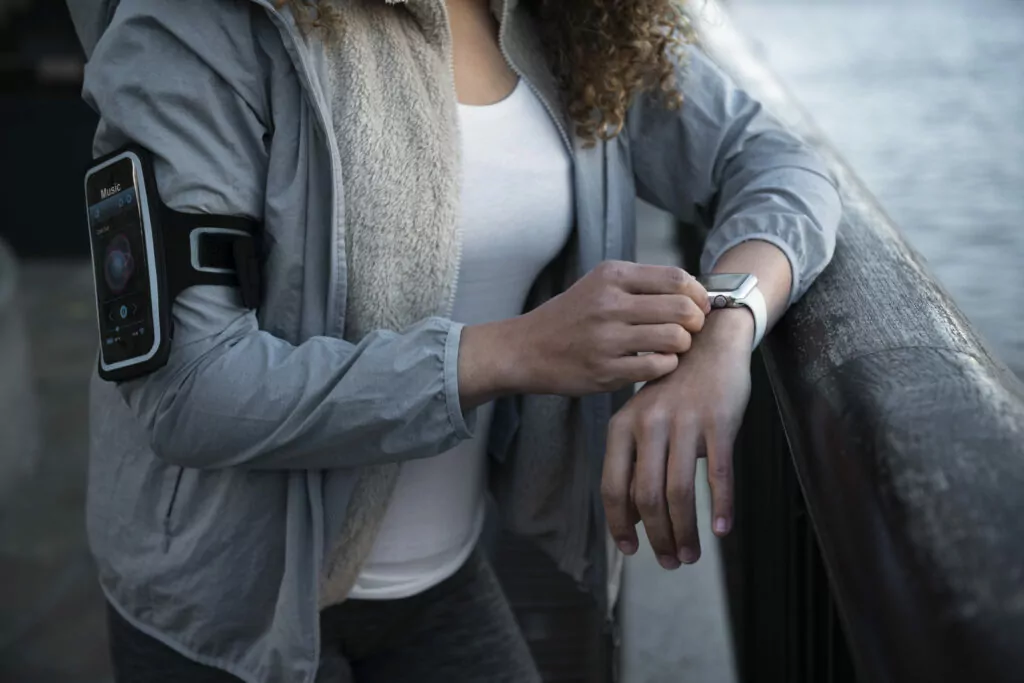
Wearable technology continues to evolve at a rapid pace, reshaping the way we interact with digital environments, monitor our health, and stay connected in everyday life. In 2026, wearables are no longer limited to smartwatches and basic fitness bands—they are becoming more intelligent, adaptive, and deeply integrated with both personal wellness and expansive digital ecosystems.
This article explores the latest trends in wearable technology in 2026, from advanced health tracking to augmented reality integrations and intelligent context-aware systems. Whether you’re a tech enthusiast, industry professional, or daily user, understanding the emerging innovations and developments in wearables offers a valuable glimpse into the future of human-computer interaction.
1. Personalized Healthcare and Biometric Monitoring
One of the most significant trends in wearable technology in 2026 is the increased focus on personalized healthcare. Wearables are transitioning from basic activity trackers to sophisticated health monitoring platforms capable of measuring:
- Heart rate variability and stress indicators
- Blood glucose levels without invasive sensors
- Hydration and electrolyte balance
- Continuous blood pressure tracking
- Sleep quality and circadian rhythm patterns
These advancements are transforming how individuals manage chronic conditions and how medical professionals approach preventive care. Wearables are becoming essential tools in early detection and data-driven health insights.
2. Smart Textiles and Embedded Sensors
Wearable technology is no longer confined to rigid devices on wrists or wrists bands. Smart textiles and fabrics with embedded sensors are emerging as a major trend in 2026. These garments can monitor vital signs, temperature changes, posture, and even emotional states.
Smart clothing is being used in:
- Athletic performance enhancement
- Workplace safety and ergonomics
- Stress and mood detection
- Rehabilitation and physical therapy
This seamless integration of technology within everyday clothing makes data collection more natural, continuous, and accurate.
3. Augmented Reality (AR) Wearables
Augmented reality is transforming from a novelty to practical daily use in wearable devices. AR glasses and headsets are becoming lightweight, stylish, and more powerful—challenging the dominance of traditional mobile screens.
Key AR features gaining traction in 2026 include:
- Real-time navigation overlays
- On-demand contextual information
- Hands-free productivity tools
- Advanced translation and communication aids
AR wearables are also finding use in professional environments such as healthcare, engineering, and field operations where real-time data visualization improves efficiency and safety.
4. Enhanced Connectivity and IoT Integration
Wearables in 2026 are more connected than ever thanks to advancements in network technologies like 5G and emerging 6G research. Devices can now synchronize seamlessly with smart homes, vehicles, workplace systems, and broader Internet of Things (IoT) ecosystems.
For consumers, this means:
- Remote health monitoring with physician access
- Automated home control based on biometric triggers
- Context-aware notifications based on location or activity
- Secure authentication for smart environments
Enterprises are also leveraging wearable connectivity for workforce management, safety, and operational optimization.
5. AI-Powered Wearables
Artificial intelligence has become a core component of wearable technology. AI algorithms interpret complex data patterns collected from sensors, enabling adaptive, predictive, and personalized experiences.
Examples include:
- Predictive health alerts based on biometric trends
- Activity recognition and automated coaching
- Context-sensitive user interaction
- Smart noise cancellation and environmental awareness
AI is transforming wearables from passive data collectors into active assistants that help users make better decisions in real time.
6. Wearables for Mental Wellness
Technology in 2026 goes beyond physical health, with wearables increasingly focused on mental wellness. Devices now track physiological markers of stress, mood changes, and cognitive load, enabling real-time feedback and coping suggestions.
Wearables offer:
- Breath regulation and relaxation exercises
- Biofeedback-based meditation tools
- Sleep-aware circadian rhythm coaching
- Social anxiety support systems
This expanded focus on emotional and cognitive well-being reflects broader cultural shifts toward holistic health management.
7. Sustainability and Ethical Tech
As consumer awareness of environmental and ethical concerns grows, wearable technology in 2026 increasingly emphasizes sustainability. Manufacturers are adopting recyclable materials, longer-lasting batteries, and modular designs that reduce electronic waste.
Sustainable features include:
- Biodegradable or recyclable casing materials
- Replaceable sensor modules
- Power-efficient chips and extended battery life
- Carbon footprint tracking for device use
Ethical data handling and user privacy protections have also become key differentiators among wearable brands.
8. Wearables in the Enterprise and Industry
Wearables are no longer just consumer gadgets; they are essential tools in many professional environments. In 2026, businesses are widely deploying wearables for:
- Worker safety monitoring
- Productivity and task optimization
- Training and performance evaluation
- Contactless identity and access control
This mirrors strategic processes like Choosing the Right ERP for Your Business, where companies select systems that align with their workflows and data environments. Similarly, wearables are deployed based on business needs, interoperability, and long-term scalability.
9. Integration with Virtual Reality (VR) and Gaming
Wearable adoption in gaming and entertainment continues to expand. Lightweight VR headsets, haptic feedback suits, and full-body tracking systems are redefining immersive experiences.
Gamers in 2026 benefit from:
- Full motion capture and tactile feedback
- Real-world actions mirrored in virtual worlds
- Cross-platform compatibility with console and PC ecosystems
- Enhanced social VR environments
The intersection of wearables and interactive media is pushing the boundaries of digital engagement.
10. Regulatory Evolution and Industry Standards
As wearable data becomes deeply associated with personal health and identity, regulatory frameworks are evolving around privacy, security, and accuracy standards. Wearable manufacturers must comply with new certifications related to:
- Medical device standards
- Data encryption and user consent protocols
- Interoperability with public and private health systems
- Ethical AI use and transparency
These regulatory trends are shaping the future of wearable technology, ensuring user trust and long-term adoption.
FAQs
What is the biggest trend in wearable technology in 2026?
The most impactful trend is advanced health-centric wearables with integrated biometric sensors capable of continuous medical-grade monitoring.
Are AR wearables replacing smartphones?
Not yet fully, but AR wearables are increasingly used for hands-free tasks, real-time data visualization, and context-aware interactions that complement smartphones.
How do wearables protect user privacy?
Modern wearables use encrypted data transfer, decentralized storage, and user-controlled data consent to minimize privacy risks.
Will wearables eliminate the need for traditional health checkups?
No. While wearables offer continuous monitoring, they are tools for data collection and guidance, not replacements for professional medical evaluations.
What industries benefit most from wearables?
Healthcare, manufacturing, logistics, safety operations, and enterprise workforce management see significant gains from wearable technology.
Conclusion
Wearable technology in 2026 is characterized by innovation, health integration, smart connectivity, and greater personalization. From advanced biometric tracking to AI-powered predictions and immersive AR experiences, the wearables landscape is becoming more intelligent and essential in both personal and professional environments.
As these trends continue to evolve, the line between digital and physical experiences will blur, making wearable technology an even more integral part of daily life. Whether you are adopting wearables for health, productivity, or entertainment, 2026 promises a future where technology enhances human potential like never before.


