

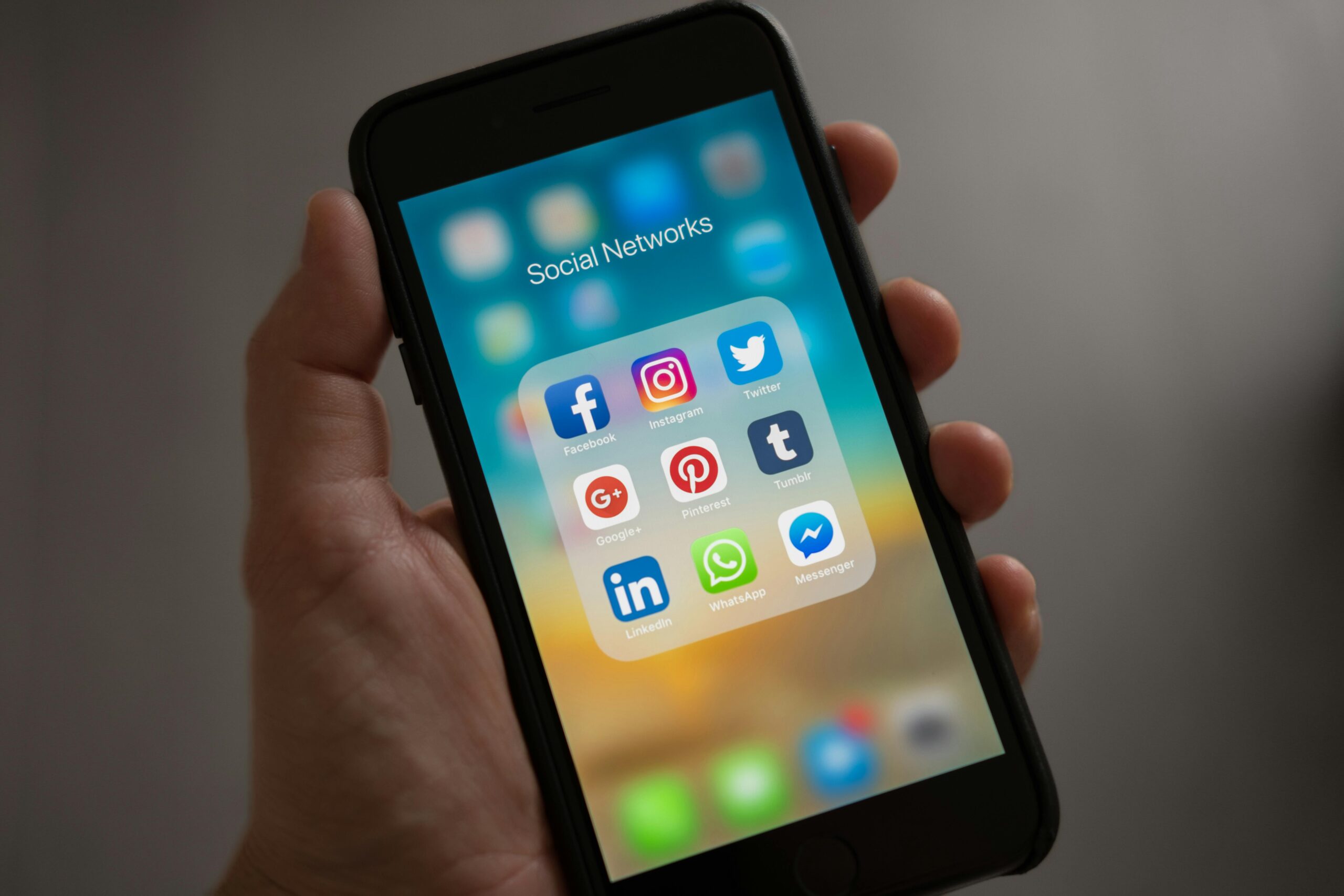
You think you are just choosing a movie on Netflix, but you are actually participating in a massive experiment in how humans share tastes. That “98% match” recommendation is not magic; it is a prime example of social technology quietly working in the background to guide your choices. While we often focus on the videos or messages we consume, we rarely notice the invisible structures deciding exactly what appears on our screens.
At its core, social technology is simply any tool designed to help people coordinate with one another. Before we had apps, a plastic take-a-number dispenser at a deli served this same purpose by organizing a chaotic crowd into a fair line. The evolution of digital communication tools has merely shifted these interactions from physical rooms to digital spaces. These systems act as modern behavioral architecture, shaping how we connect with friends and strangers just as a building’s layout guides foot traffic.
Have you ever felt like you lost an hour to scrolling without meaning to? That common sensation suggests the platform is navigating you, rather than the other way around. Recognizing these hidden patterns is the first step toward mastering your digital communication habits instead of being ruled by them.
From Digital Mail to Social Lungs: How Our Tools Learned to Breathe with Us
For most of human history, keeping in touch across distances was a slow, rhythmic process of taking turns. You wrote a letter, mailed it, and waited weeks for a reply, creating a natural pause that allowed you to think before responding. This gap was not a bug; it was a feature that defined how relationships grew without constant pressure, allowing conversations to unfold over months rather than minutes.
Early digital tools mirrored this deliberate pace through what experts call asynchronous communication. Think of this like leaving a voicemail or sending a standard email: you push a message out and do not expect an immediate reaction. This mode respects your time, allowing you to send and forget until the recipient is ready, making it ideal for thoughtful updates or complex work requests where accuracy matters more than speed.
Modern apps, however, aggressively push us toward synchronous communication, where interactions happen in real time to mimic face-to-face conversation. This shift is powered by instant feedback loops, like those three dancing dots indicating someone is typing, which are designed to keep your eyes glued to the screen. While this creates a powerful sense of closeness, it also demands your constant attention, turning your phone into a device that feels like it is breathing in rhythm with your social circle.
Recognizing which mode you are in helps you choose the right tool for the moment rather than letting the tool dictate your anxiety levels. Using a live chat for a serious, complex discussion often leads to misunderstandings, while using email for a quick emotional check-in can feel sluggish and cold.
Why Slack Is Not TikTok: Choosing Between Entertainment and Productivity
It is easy to mistake a workplace chat app for a social network because they share the same digital furniture, including likes, emojis, and endless scrolling feeds. However, the engine driving collaborative software like Slack or Microsoft Teams is fundamentally different from the engine driving TikTok. While one is designed to help you finish a task and close the app, the other is engineered to keep you consuming content for as long as possible.
Collaborative software functions as a digital office layout, organizing conversations into specific channels so you can find information later. This structure prioritizes retrieval and coordination over engagement. Conversely, social media platforms bury yesterday’s news to show you what is trending now, making them poor for referencing past decisions but excellent for entertainment.
A few questions help clarify a tool’s true intent. Can you easily find a specific message from three months ago? If yes, it is a collaboration tool. Does the app decide what you see first based on popularity rather than time? If yes, it is social media. Is there a point where you are caught up and can stop scrolling? If yes, it is a collaboration tool. These criteria help you spot when a helpful tool starts behaving like a distraction machine.
The Digital Librarian in Your Pocket: Decoding Algorithmic Feeds
Imagine walking into a library where the staff hides every book except the three they think you will love. This mirrors how your personal feed operates using algorithmic curation. Instead of showing posts chronologically, a computer program acts as a digital librarian, scanning thousands of options to present only what it predicts will keep you scrolling. This invisible selection process subtly shifts us from active explorers to passive consumers.
Your interactions serve as the training manual for this system. Every time you like a photo or pause on a video, you are providing specific signals that tell the platform what holds your attention. The software does not judge whether content is healthy or truthful; it simply measures engagement. If you consistently click on outrage, the algorithm learns to serve you more conflict, prioritizing screen time over your emotional state.
By showing you only what aligns with your history, these tools inadvertently build echo chambers where opposing views disappear. You can reclaim agency by treating your attention like a vote. Intentionally engaging with diverse topics or ignoring clickbait forces the system to widen its scope, effectively retraining your personal curator.
Beyond the Screen: How VR and Web 3.0 Redefine “Being There”
While scrolling through feeds feels familiar, the future of human-computer interaction aims to break the glass entirely. Virtual reality offers a distinct leap by creating spatial presence, the convincing feeling that you are actually sharing a room with someone rather than just looking at their pixelated face. Unlike a video call where subtle body language is lost, virtual reality allows you to sense personal space and gesture naturally, turning digital communication from a passive viewing experience into an inhabited environment.
Just as important as how we meet is the question of who owns the meeting place. Currently, using popular social apps is like living in a rented apartment where the landlord can change the locks or sell your furniture without asking. This centralized model means one company controls the servers, the rules, and your data.
A new approach called Web 3.0 seeks to solve this through decentralized networking. Imagine a digital town square owned collectively by the people who visit it, rather than a single corporation. Records are kept on a public ledger that no single person can alter, and you carry your digital identity with you rather than leaving it locked inside a specific app. These technologies represent a major pivot from simply consuming content to actively participating in how the internet is built and experienced.
Reclaiming Your Agency: Strategies for Building Intentional Communities
While future tech is useful, mastering current habits is essential. Overcoming digital fatigue through intentional tech use starts by recognizing that apps are often designed to keep you scrolling. Developing digital literacy simply means spotting the nudges, like those bright red notification badges, that platforms use to grab your attention.
Regaining control requires evaluating your tools through a simple digital audit. Review your screen time stats to reveal where your hours actually go. Disable notifications for non-human interactions. Unfollow accounts or leave groups that induce anxiety.
With personal habits set, look outward. Effective strategies for building online communities rely on clear boundaries. Establishing community norms in group chats, such as agreeing that late-night replies are not expected, ensures technology serves your needs rather than the other way around.
Your Roadmap to a Better Digital Life: Mastering the Tools of Connection
You no longer have to be a passive passenger in your digital life. By recognizing that apps are simply tools designed to shape human behavior, you transform from a user into an architect of your own connections. The invisible force that once silently dictated your interactions is now a visible structure you can navigate with intention.
When you open a new platform, look past the shiny interface to see how it organizes people. Instead of accepting the default settings, actively choose the features that deepen your relationships and mute the ones that merely demand your attention.
Remember that while the code is complex, the goal is simple: connecting with others. The value never lies in the wires, but in the people at the other end. Now that you can see the blueprints, how will you design your next interaction?


