

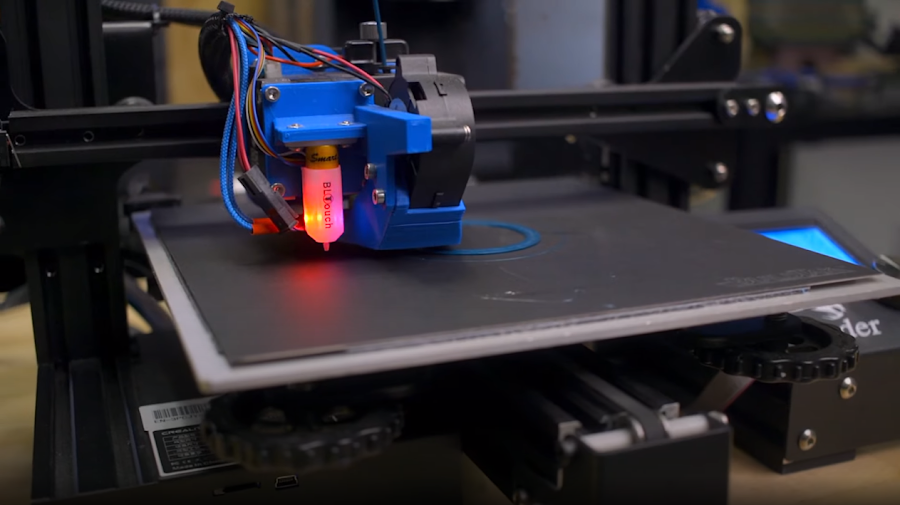
3D printing has become increasingly accessible, allowing hobbyists to bring their creative ideas to life with precision and affordability. Whether you are interested in crafting miniatures, designing functional parts, prototyping inventions, or experimenting with new materials, choosing the right 3D printing technology is essential. Each printing method has its own strengths, limitations, and ideal use cases, making it important to understand which option best fits your goals.
This guide explores the top 3D printing technologies for hobbyists, their benefits, and what to consider when selecting your first or next printer.
Why Choosing the Right 3D Printing Technology Matters
The 3D printing method you choose affects:
- Print quality
- Material compatibility
- Printing speed
- Complexity of produced models
- Cost of equipment and supplies
- Ease of maintenance
Understanding the differences ensures you get the best results without unnecessary frustration or expense.
Top 3D Printing Technologies for Hobbyists
1. Fused Deposition Modeling (FDM)
FDM is the most popular and beginner-friendly 3D printing technology. It works by melting thermoplastic filament and depositing it layer by layer to create a model.
Benefits
- Affordable printers and materials
- Large community support
- Easy to maintain and upgrade
- Wide range of filaments (PLA, PETG, ABS, TPU, and more)
Best For
- Beginners
- Functional household prints
- Cosplay props
- Large objects
- Budget-conscious hobbyists
Things to Consider
Prints may show layer lines, and complex details require fine-tuned settings. Ventilation is recommended for certain filaments like ABS.
2. Stereolithography (SLA)
SLA uses UV light to cure liquid resin into solid layers, creating models with exceptional detail and smooth finishes.
Benefits
- Extremely high resolution
- Smooth surfaces ideal for painting
- Great for intricate miniatures and artistic designs
- Excellent precision for small parts
Best For
- Miniature painting hobbyists
- Jewelry design
- Model makers
- Those who prioritize detail over speed
Things to Consider
Resin printers require gloves, proper ventilation, and post-processing (washing and curing). Resin and consumables are more expensive than FDM filament.
3. Selective Laser Sintering (SLS)
SLS is more advanced and typically more expensive, but some compact and affordable units are becoming available for dedicated hobbyists. It uses a laser to fuse powdered material into solid shapes.
Benefits
- No need for supports
- Highly durable, functional parts
- Complex geometries possible
- Professional-grade quality
Best For
- Engineering enthusiasts
- Functional prototypes
- High-strength components
- Complex mechanical parts
Things to Consider
SLS printers cost significantly more, require careful handling of powder materials, and generate more cleanup than SLA or FDM. They’re best for experienced hobbyists or those who need advanced capabilities.
Comparing the Three Technologies
| Feature | FDM | SLA | SLS |
|---|---|---|---|
| Cost | Low | Medium | High |
| Best Detail | Moderate | Excellent | Very Good |
| Ease of Use | Easy | Medium | Advanced |
| Materials | Filaments | Photo-resins | Nylon powder |
| Best Use | Large prints, general use | Miniatures, art | Engineering, functional parts |
Additional Technologies Hobbyists May Explore
While FDM, SLA, and SLS are the main three, some hobbyists experiment with other methods as technology continues to evolve:
Digital Light Processing (DLP)
Similar to SLA but uses a projector for faster prints and sharper details.
Multi-Material 3D Printing
Allows the creation of models using multiple colors or materials in a single print.
Metal Filament FDM Printing
Uses metal-infused filaments for heavier, metallic-looking parts (requires careful printer tuning).
These emerging technologies give hobbyists even more creative flexibility.
Tips for Choosing the Best Technology for Your Needs
- Consider your project goals: miniatures require SLA, while large props suit FDM.
- Budget wisely: factor in ongoing material costs, not just the printer price.
- Think about workspace and ventilation: resin and powder systems need more controlled environments.
- Evaluate maintenance level: FDM is low-maintenance; resin requires more steps.
- Look for community support: tutorials and forums make learning easier.
Selecting the right technology is similar to solving other tech challenges, such as researching How to Fix Overheating Issues in Gaming Laptops, where understanding the underlying system helps you make better decisions and achieve optimal performance.
Final Thoughts
The world of 3D printing offers endless possibilities for hobbyists, and choosing the right technology is the first step toward unlocking your creative potential. FDM remains the best entry-level option, SLA is ideal for detail-oriented projects, and SLS provides unmatched durability and complexity for advanced users. With the right tools and knowledge, you can bring your ideas to life with precision and enjoyment.


