

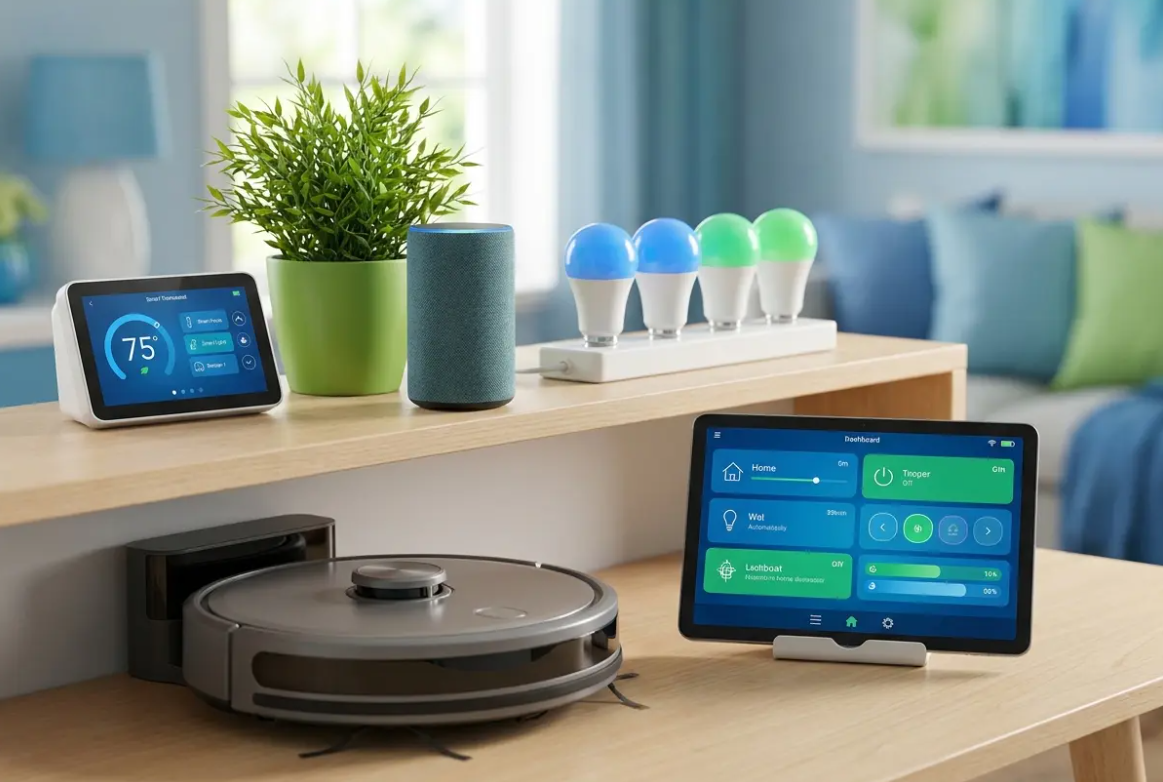
Homes across the United States operate differently today than they did just five years ago. Consumers continually add connected technologies and smart home devices to their living spaces to automate routines and reduce energy consumption. These sophisticated systems allow for unprecedented control over domestic environments, ranging from simple lighting adjustments to complex security protocols. How can you maximize the efficiency of your property without overspending while ensuring your technological investments remain relevant for years to come? Navigating the vast marketplace of residential technology requires a strategic understanding of how different components interact within a unified digital framework.
Smart home devices act as the central nervous system for modern residences, connecting physical appliances to digital control networks. You can manage everything from climate control to perimeter security using a single smartphone application or voice command. Understanding how these components work together provides a clear advantage for property owners wanting to modernize their infrastructure and increase their overall quality of life. As the market matures, the focus has shifted from individual gadgets to integrated solutions that prioritize user experience and long-term reliability.
Adoption rates for residential automation technology continue to accelerate rapidly across North America as prices become more accessible. Recent market analyses show that a majority of US broadband households now own at least one connected appliance or security sensor. The industry transitioned from selling isolated gadgets to offering comprehensive ecosystems that communicate seamlessly with one another to provide a unified user experience. This evolution reflects a broader trend toward the Internet of Things (IoT), where every appliance possesses a digital identity and communication capability.
The introduction of the Matter protocol represents a massive shift for connected consumer hardware and long-term device interoperability. This open-source standard allows smart home devices from competing brands to share data securely and efficiently across different platforms. You no longer need to worry whether a new light bulb will communicate with your existing smart speaker or mobile operating system. By standardizing the communication layer, Matter ensures that your investment in home automation remains functional even if you switch primary ecosystem providers.
Network infrastructure plays a critical role in supporting these expanding digital environments and ensuring consistent performance across all rooms. The rollout of advanced mesh routers gives homeowners the bandwidth required for dozens of simultaneous device connections without signal degradation. Reliable connectivity prevents the frustrating latency issues that often disrupt automated routines or high-definition video doorbell streams during peak usage hours. A robust home network serves as the invisible foundation upon which all other automated services and security features are built.
Key Takeaways
- Broadband households increasingly view automation technology as standard home infrastructure rather than luxury additions.
- The Matter protocol eliminates brand restrictions, allowing different hardware ecosystems to communicate flawlessly.
- Robust mesh Wi-Fi networks provide the necessary foundation for running multiple automated devices simultaneously.
Top Categories for Smart Home Devices and Automation
Building a functional digital residence requires categorized planning rather than random hardware purchases that might lead to compatibility headaches. Most consumers prioritize security infrastructure first, as it offers immediate peace of mind and tangible daily utility for the entire family. Smart locks, video doorbells, and motion-activated exterior cameras form a highly robust perimeter defense against potential intruders. These smart security components work in tandem to create a “ring of security” that can be monitored from anywhere in the world.
Video storage preferences also dictate which security cameras perform best for your specific property layout and long-term data management needs. Many manufacturers push consumers to expensive cloud subscription models for retaining important video clips and accessing advanced artificial intelligence features. However, several reliable brands offer local storage options via micro-SD cards or dedicated network-attached storage drives for maximum control. This choice between cloud and local storage represents a fundamental decision regarding both ongoing costs and personal data sovereignty.
Local storage provides superior digital privacy and completely eliminates recurring monthly software fees that can accumulate significantly over several years. Keeping your video data under your direct physical control prevents third-party companies from accessing private footage or sharing it with authorities. This approach appeals heavily to privacy-conscious homeowners who distrust centralized cloud storage servers and prioritize data sovereignty above all else. Furthermore, local storage often allows for faster access to high-resolution footage without relying on external internet bandwidth.
Pro Tip
Hardwire your exterior security cameras whenever possible to ensure a constant power supply. Wired connections provide superior reliability and eliminate the need to recharge batteries during extreme winter weather or high-traffic periods.
Smart Home Devices for Climate Control and Energy Management
Intelligent climate management often serves as the most practical entry point for home automation projects due to the immediate ROI. Connected thermostats learn your daily schedule and adjust temperatures automatically to reduce unnecessary heating or cooling cycles when the home is unoccupied. Many utility companies offer substantial rebates for installing these units because they significantly decrease peak grid demand during extreme weather events. These IoT devices utilize machine learning algorithms to predict your comfort needs while prioritizing energy conservation.
Energy Star certified models use advanced geofencing technology to detect when the house sits completely empty based on your smartphone’s location. Automated lighting systems complement these climate controls by further reducing wasteful electricity consumption across the property through intelligent occupancy sensing. Smart bulbs and switches allow users to establish complex schedules, adjust color temperatures, and manage entire rooms remotely via voice commands. This holistic approach to energy management ensures that your home operates at peak efficiency without requiring constant manual adjustments.
Smart Lighting and Automated Ambiance with IoT Devices
Modern lighting solutions represent one of the most visible and impactful categories of smart home devices available to homeowners today. Beyond simple on-and-off scheduling, intelligent bulbs allow for circadian rhythm synchronization that adjusts color temperature based on the time of day. This technology can improve sleep quality by reducing blue light exposure in the evening and promoting alertness with cooler tones during the morning hours. This sophisticated approach to illumination not only enhances the aesthetic appeal of your living space but also supports the biological needs of the residents.
Integration with motion sensors allows for hands-free operation in hallways, bathrooms, and garages, ensuring that lights are never left on accidentally. High-end systems also offer “vacation modes” that mimic human activity by turning lights on and off in a natural pattern while you are away. This layer of psychological deterrence is a powerful addition to any comprehensive home security strategy without requiring additional monthly monitoring fees. By combining smart lighting with motion detection, you create a responsive environment that anticipates your movements and enhances safety.
Domestic Entertainment Hubs and Smart Technology
Smart displays and intelligent speakers act as the primary command centers for residential technology and daily information gathering. These centralized hubs process voice commands and display visual dashboards for quick status checks of connected hardware throughout the entire property. They integrate seamlessly with streaming services to distribute synchronized audio across multiple rooms simultaneously for an immersive whole-home audio experience. As the smart hub market evolves, these devices are becoming more capable of processing data locally to improve response times and privacy.
How to Build a Cohesive Smart Home Devices Ecosystem
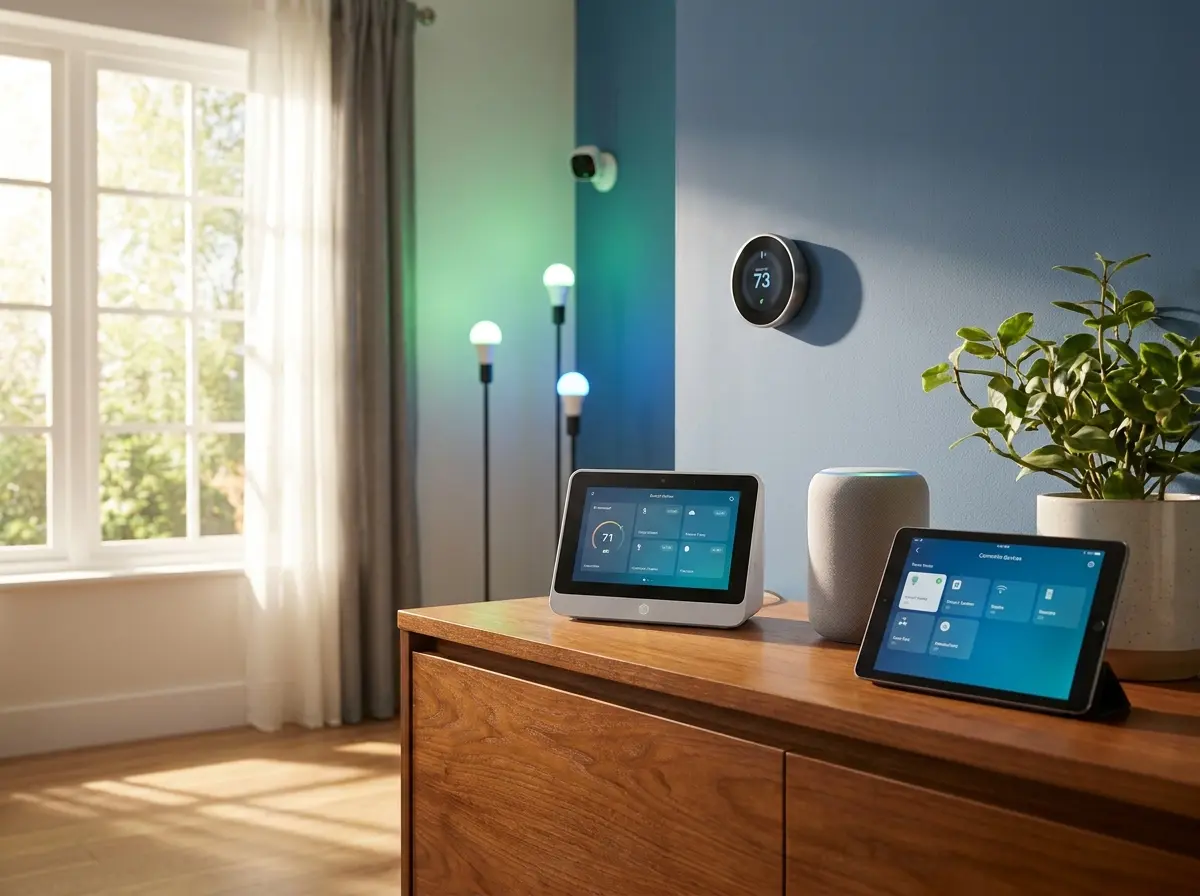
Selecting the appropriate technical foundation heavily dictates the long-term operational success of your residential automation project and overall user satisfaction. Mixing incompatible communication protocols frequently results in frustrating input delays and highly fragmented control interfaces that discourage daily use. Which smart home protocol offers the best reliability for large properties with multiple floors and thick building materials? Understanding the nuances between Wi-Fi, Zigbee, and Z-Wave is essential for creating a stable and scalable automation system.
You should evaluate your primary smartphone platform and existing digital subscriptions before committing to a specific ecosystem or hardware brand. A strategic and planned approach prevents expensive hardware replacements down the line and ensures that all family members can easily operate the system. Following a structured installation process yields a significantly more reliable smart home experience that adds genuine value to your daily routine. By focusing on interoperability from the outset, you ensure that your connected home remains flexible as new technologies emerge.
How to Deploy Your Smart Home Network
Audit Your Wi-Fi Infrastructure
Test your internet speeds in every room to identify potential dead zones that could hinder device performance. Upgrade to a modern mesh router system if your current hardware struggles to maintain stable connections at the edges of your property. Ensure that your router can handle the increased device density associated with a fully automated household.
Tip: Place router nodes away from large metal appliances and thick concrete walls to maximize signal strength throughout the home.
Select a Primary Control Platform
Choose a central operating system like Apple Home, Google Home, or Amazon Alexa to act as your primary interface. Base this decision on the smartphones and subscription services you already use daily to streamline the integration process. This choice will dictate the voice control capabilities and mobile app experience for your entire family.
Deploy Foundational Hardware
Install your central hub or smart speaker in a high-traffic area like the kitchen or living room. Connect your most essential devices, such as a smart thermostat or front door lock, before adding auxiliary sensors and decorative lighting. Gradually expanding your network allows you to troubleshoot connectivity issues before the system becomes overly complex.
Data Privacy and Network Security for Smart Home Devices
Connecting physical infrastructure to the internet introduces legitimate security vulnerabilities that demand immediate attention from every homeowner. Hackers frequently target poorly secured smart home devices to build destructive botnets or access private network data for identity theft purposes. You must treat every connected light bulb or camera as a potential entry point for malicious actors seeking to exploit network weaknesses. Maintaining a secure digital perimeter is just as important as locking your physical doors and windows.
Most vulnerabilities stem from users neglecting basic configuration steps during the initial setup process of their new hardware. Manufacturers frequently ship hardware with default administrator credentials that are publicly documented online and easily guessed by automated scripts. Changing these default passwords immediately represents the most critical defense mechanism available to consumers today to prevent unauthorized access. Additionally, enabling two-factor authentication (2FA) on all associated accounts provides an essential second layer of protection against credential theft.
Network segmentation provides an advanced layer of protection for connected residential environments by isolating different types of traffic. Many modern routers allow administrators to create dedicated guest networks specifically for internet-connected hardware and smart home devices. This separation isolates these devices from the primary network where you conduct sensitive online banking or store confidential work files. By compartmentalizing your network, you limit the potential damage if a single device is ever compromised by an external threat.
Implementing strict digital hygiene protects your personal information from unauthorized access and potential data breaches. The NIST IoT cybersecurity guidelines offer excellent frameworks for securing residential hardware against emerging global threats. You should regularly review application permissions on your smartphone to restrict unnecessary data collection by third-party vendors and hardware manufacturers. Homeowners must remain vigilant, as the convenience of connectivity should never come at the expense of personal safety or data integrity.
️Warning
Never ignore firmware update notifications for your connected hardware or mobile applications. Outdated firmware frequently contains known security exploits that automated hacking scripts can easily compromise within minutes of a device being connected to the web.
The Economic Impact of Smart Home Devices Upgrades
Investing in residential automation yields measurable financial returns over an extended period through various cost-saving mechanisms. The initial capital expenditure for smart home devices pays dividends through reduced energy consumption and lower monthly utility statements. Environmental Protection Agency data suggests that intelligent climate control alone can save homeowners up to eight percent on annual heating and cooling costs. Over the lifespan of a property, these incremental savings can offset the initial purchase price of the hardware several times over.
Property valuation also benefits directly from integrated technological infrastructure and modern networking capabilities. Real estate professionals increasingly note that buyers actively look for pre-installed automation systems during house hunting to avoid future renovation costs. A home equipped with network-connected locks, intelligent thermostats, and automated lighting commands a premium in competitive urban and suburban markets. Modern buyers view these upgrades as essential features rather than optional luxuries, often prioritizing homes with established smart foundations.
Insurance providers recognize the robust risk mitigation properties of connected environmental sensors and security systems. Many major carriers offer substantial policy discounts if you install internet-connected smoke detectors, water leak sensors, or professionally monitored security systems. These proactive alerts prevent catastrophic property damage by notifying owners of issues like burst pipes before they escalate into expensive insurance claims. By demonstrating a commitment to risk reduction, you can significantly lower your annual premiums while protecting your investment.
You should consult your insurance agent to identify which specific hardware models qualify for premium reductions in your local area. To learn more about maximizing your property value through technology, review our guide on home improvement strategies. A strategic approach to automation ultimately transforms your house into a highly efficient financial asset that provides both comfort and long-term equity growth. Embracing these advancements ensures that your property remains competitive in an increasingly tech-driven real estate market.
Key Takeaways
- Smart thermostats generate consistent monthly savings by optimizing heating and cooling cycles automatically.
- Integrated home technology increases overall property desirability and can boost final sale prices.
- Proactive environmental sensors often qualify homeowners for significant insurance premium discounts.
Conclusion
The integration of smart home devices fundamentally changes how we interact with our living spaces and manage our daily resources. These technologies transitioned from expensive novelty items into standard components of modern residential infrastructure that provide tangible benefits to homeowners. Proper network planning and strict security implementation remain critical for maximizing the utility and safety of your connected hardware over the long term. As we move toward a more interconnected future, the ability to manage your home through digital interfaces will become a standard expectation for all property owners.
As unified industry standards like Matter continue to mature, device interoperability will improve for all consumers regardless of their technical expertise. The financial barriers to entry for home automation are lower than ever, making this an ideal time to upgrade your residence with intelligent solutions. You can achieve significant energy savings, enhanced security, and improved daily convenience by carefully selecting compatible ecosystems that fit your lifestyle. The democratization of technology ensures that even modest homes can benefit from the same level of automation once reserved for luxury estates.
Start with highly functional foundational elements like climate control or exterior security, and expand your digital network organically as your needs evolve. A strategic, phased approach guarantees a robust and reliable home environment that serves your family for years without becoming obsolete. Embrace these technological advancements to build a safer, more efficient, and highly responsive modern property that stands the test of time. By staying informed and proactive, you can harness the full potential of smart home devices to create a living space that is truly intelligent and adaptive.


