

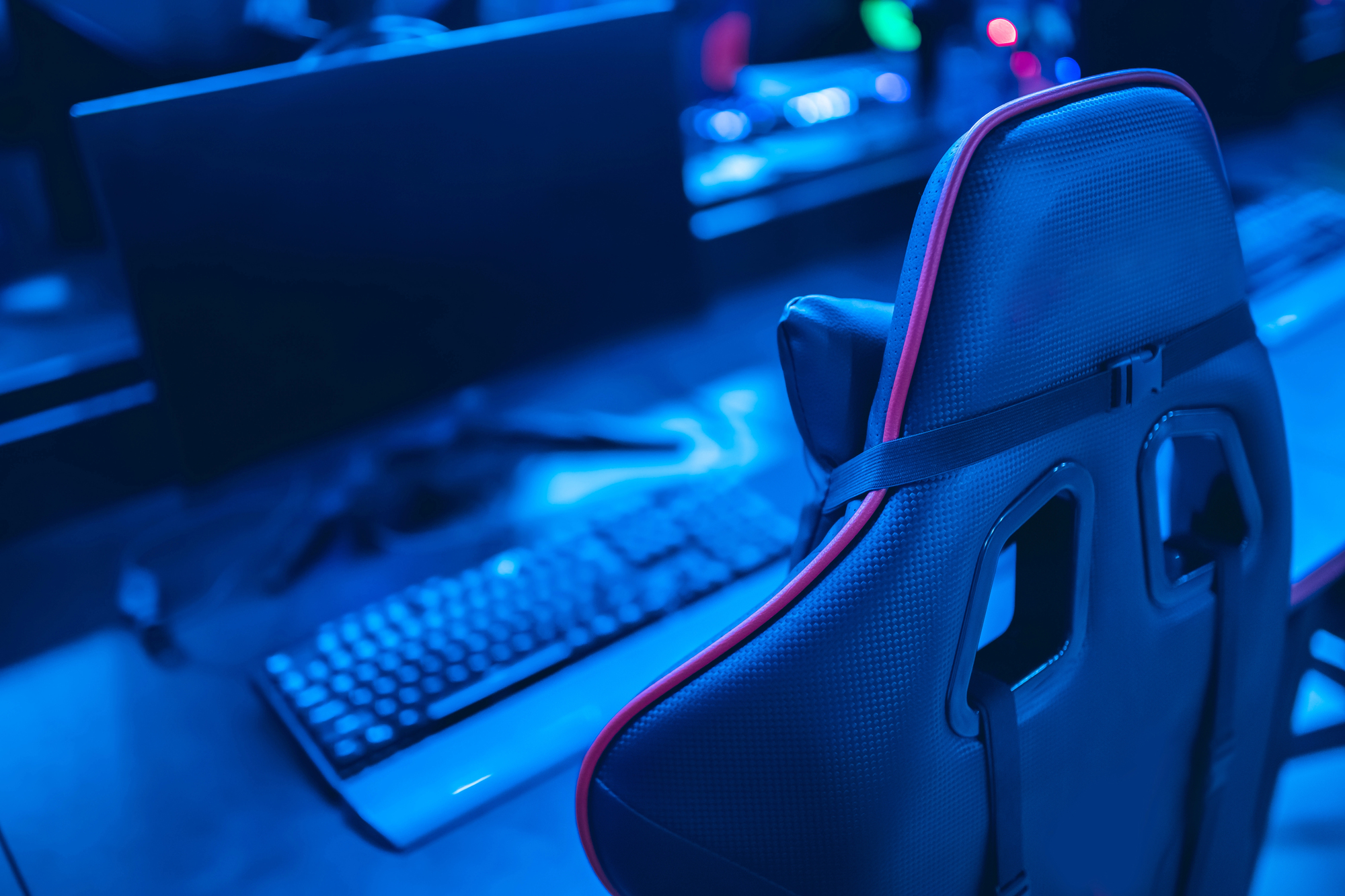
RGB gaming chairs sit at the crossroads of aesthetics and ergonomics. Getting the balance right means knowing what you are actually paying for and what is just glowing plastic.
Walk into any serious gaming setup and the chair is usually the first thing you notice. Not the monitors, not the keyboard with its satisfying mechanical clicks, not even the tower humming quietly in the corner. The chair, lit from underneath in a slow cycle of blues and purples, commands the room in a way that no other piece of furniture quite manages. It makes a statement before anyone sits down.
Whether that statement is worth making, and more importantly whether the chair itself is worth buying, is a question that deserves a more honest answer than most product listings are willing to give. RGB gaming chairs range from genuinely well-built pieces of ergonomic furniture with lighting as a finishing touch, to cheaply constructed seats where the LEDs are clearly the main event and comfort was an afterthought. Knowing how to tell the difference before you hand over your money is what this is about.
What RGB Actually Adds to a Gaming Chair
RGB stands for red, green, blue, the three color channels that LED lighting systems combine to produce virtually any color in the visible spectrum. In the context of a gaming chair, RGB lighting typically runs along the base, through strips embedded in the sides of the seat, or around the headrest. Most implementations allow you to customize colors and lighting patterns through software or a physical controller, syncing with other RGB peripherals in your setup if the ecosystem supports it.
The honest answer to what RGB adds functionally is: nothing. It does not improve posture, reduce fatigue, or affect how long you can sit comfortably. What it does is contribute to the atmosphere of a gaming space in a way that a lot of people genuinely value. A well-lit setup feels intentional. It signals that the space was designed rather than assembled. For streamers and content creators whose setup is part of the content, the visual coherence that RGB lighting creates across a desk has real professional value.
For everyone else, it is a matter of personal taste. Some people find it energizing. Others find it distracting or garish and end up turning it off after a week. Being honest with yourself about which camp you fall into before buying is worth the thirty seconds it takes to think about it.
The Ergonomics Question That Actually Matters
Here is the thing about gaming chairs that the marketing rarely leads with: you will spend more time in that chair than you will spend looking at it. The lighting is visible for the few seconds you glance over at your setup. The ergonomics are felt for every hour you sit in it. Getting that equation backwards is one of the most common and expensive mistakes people make when buying a gaming chair at any price point.
A good gaming chair, RGB or otherwise, should offer adjustable lumbar support that actually contacts your lower back rather than sitting too low or too high to do any work. The armrests should be adjustable in height at minimum, with 4D armrests that also move forward, backward, and side to side being meaningfully better for people who spend long sessions at a keyboard. The seat depth should accommodate your leg length so that your thighs are supported without the front edge cutting into the back of your knees.
The racing seat aesthetic that most gaming chairs adopt, with tall winged backrests and pronounced side bolsters, looks dramatic but is not universally comfortable. It was designed for the bucket seats of performance cars, where lateral support during cornering matters. Sitting at a desk, those same bolsters can restrict movement and feel confining over long periods, particularly for broader body types. If you can, sitting in a chair before buying it remains the most reliable test. If buying online, checking return policies before committing is a reasonable precaution.
What Separates a Good RGB Gaming Chair from a Bad One
The clearest signal of build quality in a gaming chair is the base and the mechanism. A chair with a steel or aluminum base and a Class 4 hydraulic cylinder, the highest standard for gas lift cylinders, will hold up reliably through years of daily use. Chairs that skimp on these components tend to develop wobble, sinking, or squeaking within months.
Upholstery is the other major differentiator. Most gaming chairs use PU leather, a synthetic material that looks good initially but tends to crack and peel with regular use and exposure to body heat over a few years. Higher-end options use genuine leather or fabric upholstery that breathes better and ages more gracefully. For people in warmer climates or anyone who tends to run hot, a fabric or mesh option is worth prioritizing over a leather look regardless of how it photographs.
The RGB lighting system itself should be evaluated as a secondary feature rather than a primary one. Look for chairs where the lighting is powered by USB rather than requiring a separate power adapter, where the LED strips are recessed rather than exposed to regular contact, and where the control software has decent reviews and a history of continued support. Lighting that fails or becomes uncontrollable after a firmware update is a genuine frustration on an otherwise good chair.
Notable Options Worth Considering
Secretlab has established a strong reputation in the gaming chair market for balancing aesthetics with genuine build quality. Their Titan series does not currently feature built-in RGB lighting, but it is regularly cited as a benchmark for what a well-constructed gaming chair should feel like, which makes it a useful reference point when evaluating chairs that do include lighting.
Corsair and Razer have both released gaming chairs with integrated RGB lighting systems that tie into their broader peripheral ecosystems. The Corsair T3 Rush and the Razer Enki series sit at mid to upper price points and reflect the kind of investment that companies with broader hardware reputations make when they enter the furniture space. Both have received generally positive reviews for comfort relative to their price, with the lighting treated appropriately as a bonus rather than the headline feature.
At the more affordable end, brands like Respawn and OFM offer RGB options in the 200 to 300 dollar range that provide reasonable comfort for the price. The build quality reflects the price point, but for someone who wants the aesthetic without a large investment, they represent a serviceable starting point.
The Price Range and What to Expect at Each Level
RGB gaming chairs span a wide range. Under 200 dollars, the lighting is usually the main selling point and the ergonomics are basic at best. Between 300 and 500 dollars, you start to find chairs where comfort and build quality are genuinely competitive and the RGB is a considered addition. Above 500 dollars, the expectation should be premium materials, robust adjustment systems, and lighting that integrates cleanly rather than feeling tacked on.
The common mistake is buying a 150 dollar chair with impressive lighting and expecting it to hold up to eight-hour gaming sessions over multiple years. The money in that price range is going into the LEDs, not the lumbar support. Setting a realistic budget based on how many hours per week you actually spend in the chair will point you toward the right tier more reliably than any review.


