


Deep machine learning represents a major technological shift in how modern computers process complex information streams through advanced pattern recognition. This powerful subset of artificial intelligence uses artificial neural networks to mimic the human brain’s architecture effectively. You interact with these sophisticated systems daily through voice assistants, search engines, and personalized recommendation algorithms.
As data volumes grow exponentially across the United States, businesses rely heavily on these advanced algorithms for insights. Traditional machine learning algorithms require significant manual intervention from engineers to identify patterns and features within datasets. Deep machine learning models extract these critical features automatically from massive repositories of raw, unstructured data.
This automated capability makes them incredibly powerful for processing unstructured information like text, audio, and video streams. Organizations apply these advanced models to solve complex problems that previously required human intuition and reasoning skills. The resulting enterprise applications operate with remarkable speed and deliver impressive accuracy across various business functions.
Deep machine learning utilizes multiple interconnected layers of artificial neural networks to analyze complex patterns in big data for better insights. The deep aspect refers specifically to the total number of processing layers these neural networks contain within the system. While a standard neural network might have two or three hidden layers for basic mathematical computations, deep networks have more.
Deep machine learning networks often feature dozens or even hundreds of interconnected computing layers working in perfect synchronization for maximum efficiency. Each individual layer processes specific information and passes it to the subsequent level for further refinement and analysis. This hierarchical approach allows the overall system to understand highly complex patterns and make accurate predictions for users.
Understanding deep machine learning architecture and artificial neural networks
Artificial neural networks consist of interconnected processing nodes that transmit mathematical signals to one another continuously during operation. The initial input layer receives raw data while multiple hidden layers perform highly complex mathematical computations and transformations. Finally, the designated output layer delivers the final prediction or classification based on the processed information and weights.
The automated system adjusts the mathematical weights of these connections during training to improve overall accuracy and performance. This highly specific mathematical process requires massive datasets to train the artificial intelligence model effectively for production use. Software engineers monitor the loss function carefully to measure exactly how well the neural network performs against benchmarks.
Comparing deep machine learning vs traditional machine learning algorithms
Standard machine learning models typically plateau in overall performance as you add more data to them during training. Conversely, deep machine learning models continue to improve their predictive accuracy as data volume increases significantly over time. A human software engineer must explicitly program feature extraction in most traditional supervised learning or unsupervised learning systems.
Deep neural networks learn these specific features independently through continuous data processing and automated error correction during training. This automatic feature extraction saves data scientists significant time during the initial model development phase of the project. The primary tradeoff involves requiring much more computing power than standard algorithms need to function properly in production.
Key Takeaways
- Deep networks use multiple hidden layers to extract features automatically from raw unstructured data.
- Neural networks adjust mathematical weights during training to improve their overall predictive accuracy significantly.
- These advanced models require far more computing power than traditional machine learning algorithms need.
Core components of deep machine learning models and AI systems
Building an effective deep learning architecture requires several specific technological components working together in perfect harmony for success. What exactly makes these advanced systems function so effectively in a modern enterprise production environment today? You need substantial hardware resources to process the intense mathematical calculations required for model training cycles and inference.
Software frameworks provide the necessary technical foundation for developers to build and deploy these complex models at scale. High-quality data remains the absolute most critical element for any successful artificial intelligence project in the modern era. You simply cannot achieve accurate predictive results without a massive repository of clean and organized information for training.
The seamless integration of these technical elements determines the ultimate success of the entire learning system for the business. Without proper alignment between hardware and data, even the most sophisticated neural networks will fail completely during deployment. Companies must invest heavily in building a solid foundation before expecting any meaningful return on investment from AI.
Deep machine learning training data requirements and data science processing
Deep machine learning thrives exclusively on massive quantities of high-quality and accurately labeled training data for model development. A typical enterprise image recognition model might require millions of photographs to achieve acceptable baseline accuracy for production. Data scientists spend considerable project time cleaning and organizing this big data before any model training cycles begin.
Poor quality input data invariably leads directly to inaccurate predictions and fundamentally flawed artificial intelligence models for the organization. Technical teams must remove duplicates and correct formatting errors across the entire dataset to prevent issues during training. This critical preparation phase often consumes the vast majority of the overall project timeline and budget for teams.
Warning
Data bias can ruin your deep learning project entirely. Always verify that your training data represents diverse scenarios and demographics. Biased data produces discriminatory algorithms that create massive legal liabilities.
Computational power and GPU hardware for deep machine learning
Training deep neural networks demands intense and sustained computational processing power to handle massive mathematical operations and weights. Graphics Processing Units excel particularly well at handling the parallel computations required for these complex deep learning models. Hardware manufacturers have built specialized microchips specifically optimized for intense artificial intelligence and machine learning workloads in data centers.
Cloud platforms allow modern businesses to rent this specialized hardware instead of purchasing expensive physical servers for their projects. This increased accessibility democratizes artificial intelligence development for smaller companies operating across the United States and global markets. You can run complex training cycles remotely without maintaining an expensive physical data center on site for operations.
Real-world deep machine learning applications and AI use cases
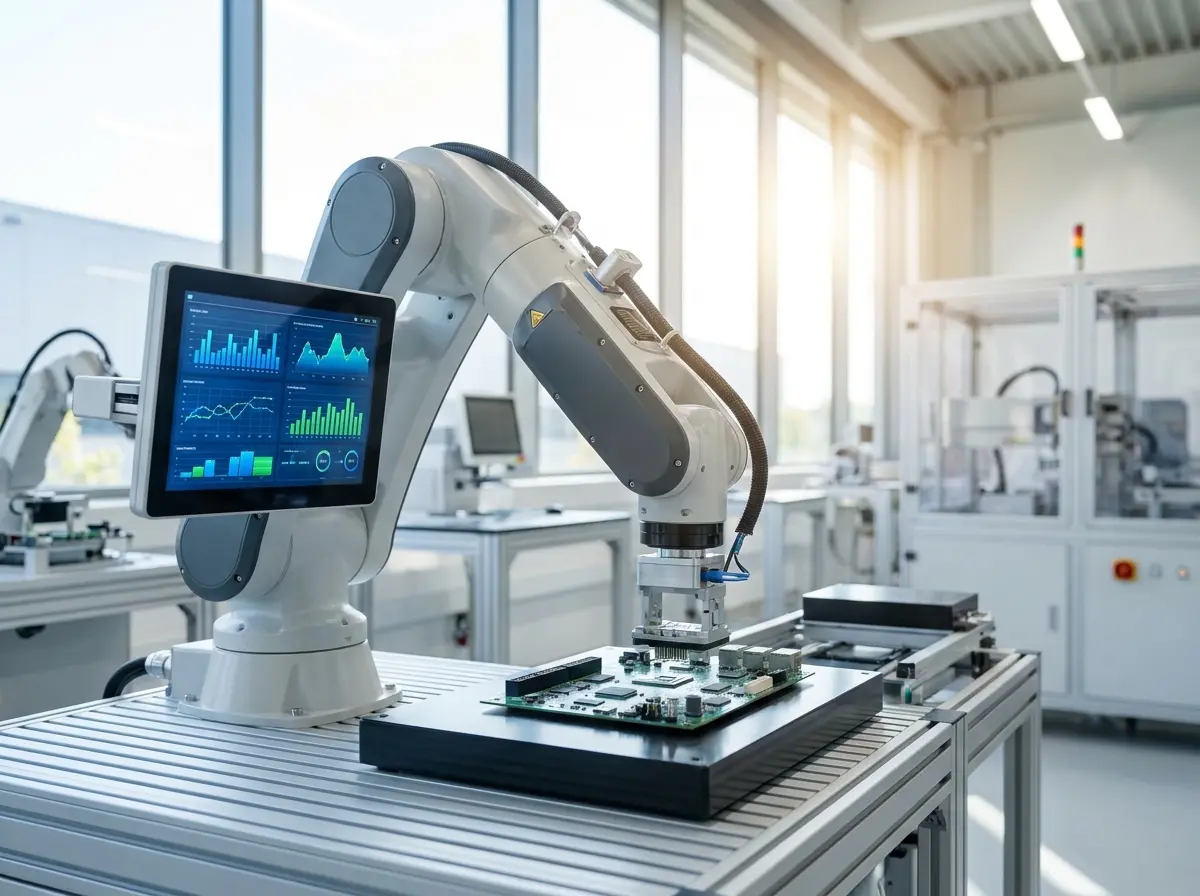
Deep machine learning drives significant innovation across nearly every major sector of the modern American economy and industry. Healthcare providers use these advanced algorithms to analyze complex medical images with incredible precision and speed for patients. Financial institutions deploy deep neural networks to detect fraudulent transactions in real time across global networks and systems.
Major retailers implement advanced recommendation systems to personalize the digital shopping experience for millions of consumers and users. Industrial manufacturers use predictive maintenance models to identify critical equipment failures long before they actually happen in production. These practical enterprise applications demonstrate the immense commercial value of implementing deep machine learning technology today for growth.
Deep machine learning in healthcare diagnostics and predictive analytics
Medical researchers utilize deep learning algorithms to identify subtle patterns in radiology scans and pathology slides for diagnosis. These powerful algorithms spot early warning signs of diseases like cancer much faster than human doctors can alone. Pharmaceutical companies also use these advanced systems to accelerate the incredibly slow drug discovery process significantly for new treatments.
The predictive technology determines how different chemical compounds will likely interact with highly specific biological targets during research. According to the FDA, hundreds of AI-enabled medical devices currently have full regulatory approval for clinical use. These digital tools assist human physicians in making much more accurate and timely diagnostic medical decisions for patients.
Computer vision and deep machine learning in autonomous vehicles
Self-driving cars rely almost entirely on deep machine learning to drive through complex physical environments safely and efficiently. Computer vision algorithms process high-definition video feeds from multiple cameras positioned strategically around the autonomous vehicle in real-time. The onboard system identifies crossing pedestrians and changing traffic signals in a matter of mere milliseconds for safety.
Automotive companies collect petabytes of real-world driving data to refine these predictive models continually over time for accuracy. This specific technology promises to reduce fatal traffic accidents caused by human error significantly over the coming years. The advanced algorithms learn continuously to handle dangerous edge cases like severe weather and construction zones for passengers.
Financial fraud detection using deep machine learning models
Global banks process millions of individual credit card transactions every single minute across massive payment networks and systems. Deep learning models analyze these specific transactions to identify suspicious behavioral patterns indicating potential financial fraud or theft. The automated system evaluates risk factors like geographic location and purchase amount simultaneously in real time for security.
This rapid analytical capability prevents millions of dollars in catastrophic financial losses every single business day for institutions. The predictive algorithms adapt to new criminal fraud tactics much faster than human security analysts can during operations. You can learn more about securing enterprise systems in our comprehensive guide to enterprise cybersecurity solutions.
How to implement a basic deep machine learning model for business
Starting a new deep learning project requires a highly structured approach and clearly defined business objectives for success. How do you actually bring these powerful predictive algorithms into your specific organization and workflow for maximum impact? You must establish your specific goals before writing any software code or collecting raw training data for models.
Many enterprise organizations fail entirely because they lack a clearly defined problem for the algorithm to solve effectively. The following sequential steps outline the standard industry process for deploying a basic deep learning model for production. You should follow this proven methodology closely to maximize your overall chances of a successful deployment and ROI.
Each distinct project phase requires highly specific technical skills and careful attention to every minor detail during development. Rushing through the initial planning stages almost always guarantees poor model performance and wasted financial resources for companies. Take your time to build a robust infrastructure that supports your long-term artificial intelligence business goals and vision.
How to Get Started
1. Prepare Your Environment
Make absolutely sure you have all necessary software tools installed before beginning your development work.
Tip: Create a comprehensive checklist so you do not miss any critical system prerequisites or dependencies.
2. Collect and Preprocess Data
Gather your relevant training data and clean it thoroughly before the actual model training process begins.
Tip: Save your data processing configuration as a standard template for future artificial intelligence projects.
3. Build and Train the Network
Define your hidden network layers and execute the mathematical training process on your prepared dataset. Monitor the model output carefully to verify that the mathematical computations work exactly as expected.
The future of deep machine learning and enterprise artificial intelligence
The broader field of artificial intelligence advances at a truly remarkable pace every single calendar year for researchers. Academic researchers continually discover new network architectures that require significantly less computing power and smaller datasets for training. Natural language processing models have recently achieved human-level reading comprehension in highly specific controlled testing environments for users.
These rapid technological advancements will fundamentally change how modern businesses operate and communicate with their customers daily. We fully expect to see more efficient neural algorithms that run directly on consumer mobile devices for speed. This structural shift will dramatically reduce corporate reliance on constant cloud connectivity for artificial intelligence tasks and processing.
Generative artificial intelligence and deep machine learning NLP
Generative models currently represent the absolute latest breakthrough in deep machine learning capabilities and commercial enterprise AI applications. These innovative systems create entirely new text documents and functional computer code based on specific user prompts and context. Large language models utilize natural language processing to analyze massive amounts of internet text to understand human syntax perfectly.
Enterprise organizations use these sophisticated digital tools to automate content creation and assist human software developers with code. A recent study by McKinsey suggests generative artificial intelligence could add trillions to the global economy. This transformative technology acts as a massive force multiplier for human creativity and overall workplace productivity for teams.
Pro Tip
Pro Tip: Start with a small pilot project to validate your deep learning architecture before scaling to enterprise-wide production environments.
Conclusion
Deep machine learning continues to redefine the boundaries of what is possible within the modern digital enterprise landscape. By leveraging advanced neural networks and high-quality data, organizations can unlock unprecedented levels of operational efficiency and innovation. As these technologies evolve, staying informed about the latest algorithmic developments remains essential for maintaining a competitive advantage.


