

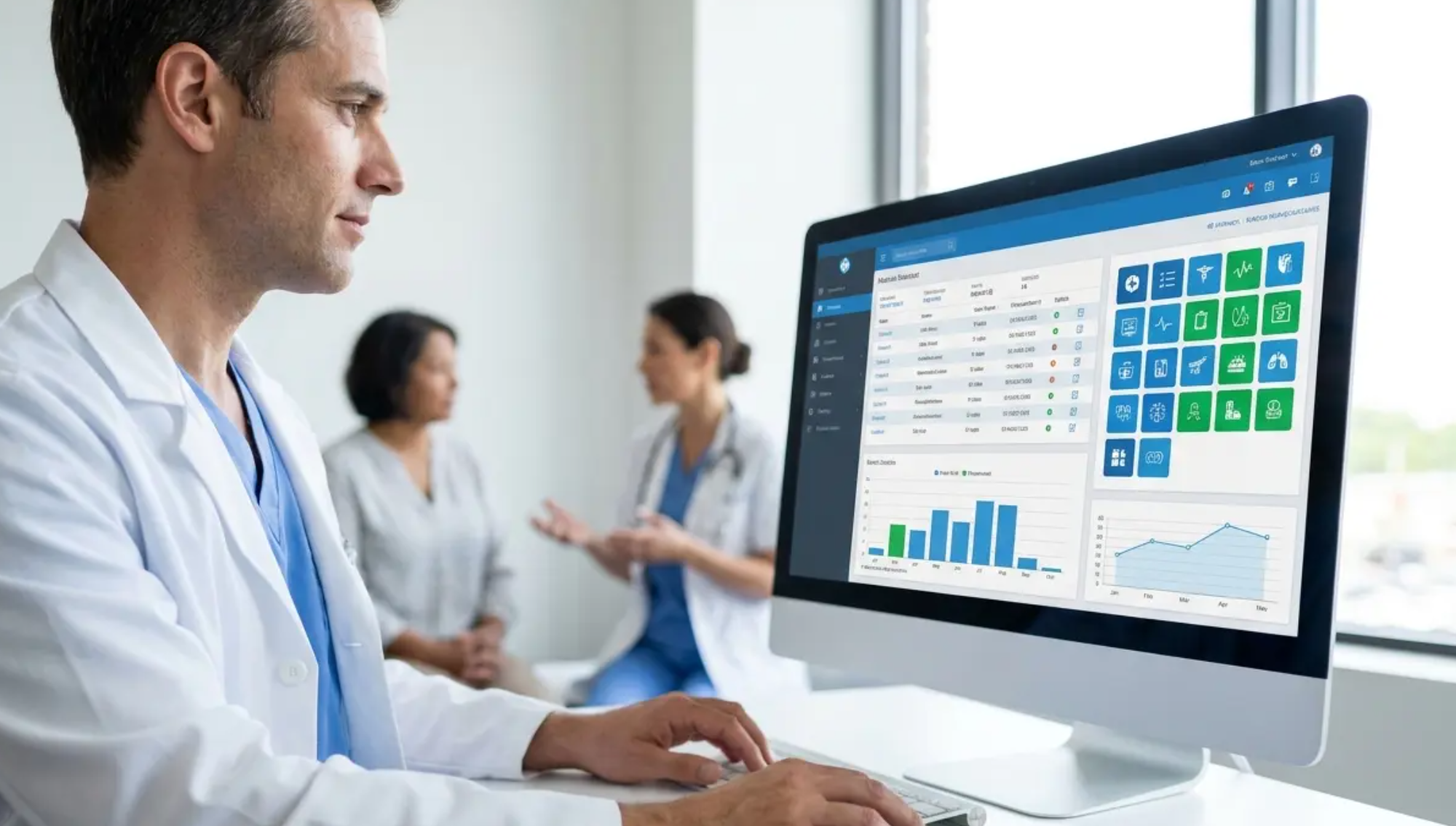
Artificial intelligence is rapidly restructuring the foundation of modern medicine across the United States through advanced healthcare technology. You can clearly see this shift in how doctors diagnose diseases and how administrators manage hospital resources. The integration of ai in healthcare offers unprecedented opportunities to improve patient outcomes while sharply reducing operational costs. Healthcare providers are aggressively adopting these digital technologies to streamline their daily workflows and improve clinical accuracy.
Hospitals face immense financial pressure from rising labor costs, especially since administrative expenses account for one-quarter of total spending. Healthcare automation algorithms can seamlessly automate complex billing procedures, schedule patient appointments, and manage inventory with remarkable precision. This powerful automation allows medical facilities to redirect essential funds directly to patient care and facility improvements.
A recent report highlights the massive economic potential of these digital tools for modern medical facilities. Researchers at the National Bureau of Economic Research estimate that wider AI adoption could save the US healthcare system up to $360 billion annually. Machine learning in healthcare models analyze historical admission data to predict patient volumes, allowing administrators to optimize staff schedules and reduce overtime.
Medical billing errors currently cost the healthcare industry billions of dollars every single year without fail. Artificial intelligence software systematically scans medical claims for coding mistakes before the administrative staff submits them to insurance companies. Catching these expensive medical billing errors early drastically reduces claim denials, which accelerates the revenue cycle and keeps hospitals financially healthy.
Key Takeaways
- AI automation reduces heavy administrative burdens and redirects funds to direct patient care.
- Predictive algorithms help hospital administrators optimize staff schedules and avoid expensive overtime pay.
- Catching medical billing errors early drastically reduces claim denials and accelerates revenue cycles.
Improving Diagnostic Accuracy with Machine Learning and AI in Healthcare
Diagnostic errors affect roughly 12 million adults in outpatient clinical settings every single year. Artificial intelligence in medicine provides a powerful second set of eyes for overworked and fatigued medical professionals. Clinical decision support systems analyze patient symptoms against massive databases of peer-reviewed medical literature to improve diagnostic accuracy quickly.
Medical AI in Radiology: Enhancing Medical Imaging with AI in Healthcare
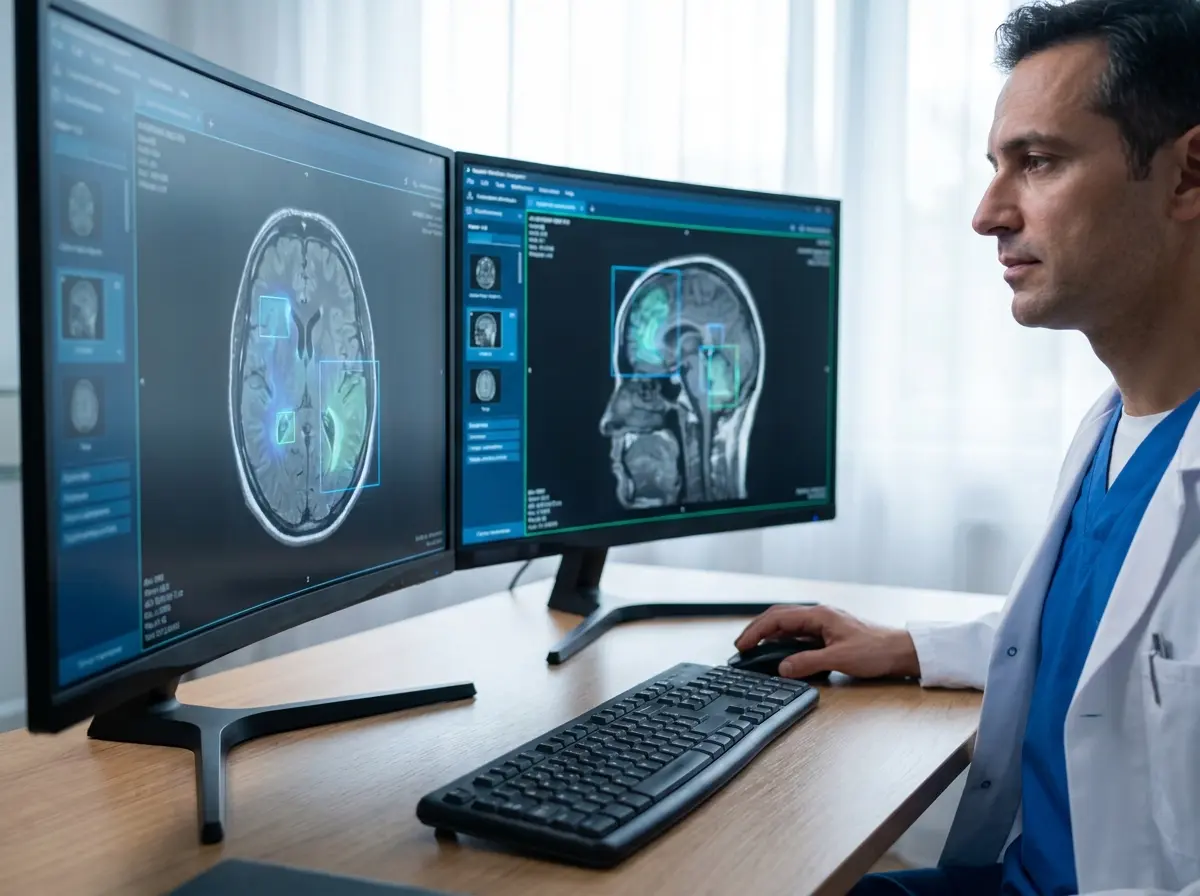
Medical imaging represents one of the most successful applications of ai in healthcare to date. Deep learning algorithms excel at identifying incredibly subtle patterns in X-rays, MRIs, and CT scans with exceptional clinical accuracy. Studies published in the Journal of the American College of Radiology demonstrate that these algorithms often match or exceed human performance.
Radiologists use these tools to triage urgent cases and prioritize patients who need immediate surgical intervention. The software automatically highlights suspicious areas on the scan, allowing the doctor to focus their expertise efficiently. This collaborative approach reduces severe burnout among specialists while significantly accelerating the entire diagnostic process and improving survival rates.
Cardiology and Predictive Heart Health: Machine Learning in Healthcare Applications
Cardiologists rely heavily on accurate data to monitor heart function and prevent catastrophic cardiovascular events. Machine learning algorithms can analyze complex electrocardiograms to detect hidden arrhythmias like atrial fibrillation by identifying microscopic variations. Early detection allows doctors to prescribe necessary blood thinners before a patient suffers a debilitating stroke.
Pro Tip
Always integrate AI imaging software directly into the radiologist’s existing digital workspace. Forcing doctors to switch between different desktop applications creates unnecessary friction and severely reduces user adoption rates.
Clinical Decision Support: Implementing Medical AI Solutions in Clinical Workflows
Integrating new technology into an existing hospital system requires careful planning and highly precise execution. Medical staff often resist sudden changes to their established daily routines and proven treatment protocols. Administrators must prioritize staff training and clearly demonstrate the practical clinical value of these new medical AI tools.
How do you successfully deploy these tools in a busy and high-stress medical environment? You must build a comprehensive strategy that addresses both technical infrastructure and human adoption barriers. Staff engagement ultimately dictates the long-term success of any new software implementation in a modern hospital facility.
Steps for Clinical AI Implementation
Assess Infrastructure Readiness
Evaluate your current electronic health record systems for deep compatibility with modern machine learning tools. Upgrade legacy servers and guarantee that you have secure, high-speed internet connections throughout the hospital.
Tip: Partner closely with your current EHR vendor to verify exact API compatibility before purchasing new software.
Train Your Clinical Staff
Provide comprehensive and hands-on training sessions for all doctors, nurses, and administrative personnel. Focus entirely on practical clinical applications rather than explaining abstract technical concepts to medical professionals.
Monitor and Evaluate Performance
Track key performance metrics like diagnostic accuracy, patient wait times, and total hours saved. Gather continuous feedback from frontline users to refine the software configuration and improve the user experience.
Data Privacy and HIPAA Compliance: Securing AI in Healthcare Systems
Artificial intelligence models require massive volumes of patient data to function effectively and learn new patterns. This heavy reliance on sensitive medical records creates significant privacy and data security challenges for healthcare organizations. The Health Insurance Portability and Accountability Act mandates strict HIPAA compliance and safeguards for handling protected health information.
Cybersecurity threats pose a constant and severe risk to medical facilities operating modern digital infrastructure. Hackers frequently target healthcare databases because comprehensive medical records command high prices on the black market. Implementing robust end-to-end encryption and multi-factor authentication protects these sensitive AI systems, preventing data breaches that damage reputations.
Federated learning offers a highly promising technical solution to these pressing data privacy concerns. Instead of centralizing data, federated learning trains algorithms locally directly on the hospital’s internal servers. This innovative method allows researchers to build smarter AI models without ever transferring sensitive personal information.
️Warning
Never expose unencrypted patient health information to public machine learning models or commercial APIs. This reckless practice violates federal HIPAA regulations and exposes the hospital to massive financial penalties.
Precision Medicine and Artificial Intelligence in Medicine: The Future of Personalized Treatment
Standard medical treatments often rely on a generalized approach that works for the average human patient. However, individual responses to medications vary wildly based on distinct genetics, lifestyle choices, and environmental factors. AI in healthcare allows oncologists and physicians to craft highly individualized precision medicine therapy regimens for complex cases.
Genomic sequencing generates enormous datasets that are completely impossible for humans to analyze manually and accurately. Machine learning algorithms can quickly sift through a patient’s DNA to identify specific genetic mutations causing illness. Doctors use this information to select targeted therapies, which significantly improves long-term survival rates for conditions like cancer.
Wearable health devices also contribute valuable real-time data to these advanced personalized treatment models. Smartwatches and digital fitness trackers continuously monitor heart rate, blood oxygen levels, and deep sleep patterns. Algorithms process this information to detect early warning signs, allowing physicians to adjust treatment plans proactively.
Key Takeaways
- Machine learning analyzes genetic data to create highly individualized cancer therapy regimens.
- Wearable health devices provide continuous data streams to detect chronic diseases proactively.
- Precision medicine approaches significantly improve survival rates by targeting the root causes of disease.
Regulatory Frameworks: Overcoming Ethical Hurdles for Medical AI and Healthcare Automation
The rapid advancement of medical AI has completely outpaced the development of standard government regulatory frameworks. The Food and Drug Administration is actively working to establish clear guidelines for software as a medical device. Federal regulators must balance innovation with safety, using ethical guidelines to prevent algorithmic bias from harming patients.
Machine learning models can inadvertently learn and amplify historical biases present in their initial training data. Healthcare organizations must diversify clinical datasets and maintain transparency to guarantee equitable medical outcomes and build patient trust. Total transparency in how these algorithms make decisions is absolutely essential for building lasting trust among patients.
Who is ultimately responsible when an algorithm makes a medical mistake that causes harm? Physicians must always maintain ultimate responsibility for patient care, as artificial intelligence should augment human judgment rather than replace it. Ongoing collaboration between technologists, doctors, and lawmakers will heavily shape the future of medical AI regulation.
Conclusion: Embracing the Next Era of AI in Healthcare and Medical Innovation
Artificial intelligence is fundamentally reshaping how medical professionals diagnose, treat, and manage diseases on a daily basis. From automating administrative tasks to predicting genetic responses, healthcare providers who adopt these digital tools early gain advantages. The integration of ai in healthcare represents a critical step forward for the entire modern medical industry.
You can expect these technologies to become standard components of every hospital and clinic within the next decade. While challenges regarding data privacy remain, the potential clinical benefits of ethical implementation far outweigh the risks. The future of medicine relies heavily on the successful partnership between human expertise and advanced machine intelligence.


