

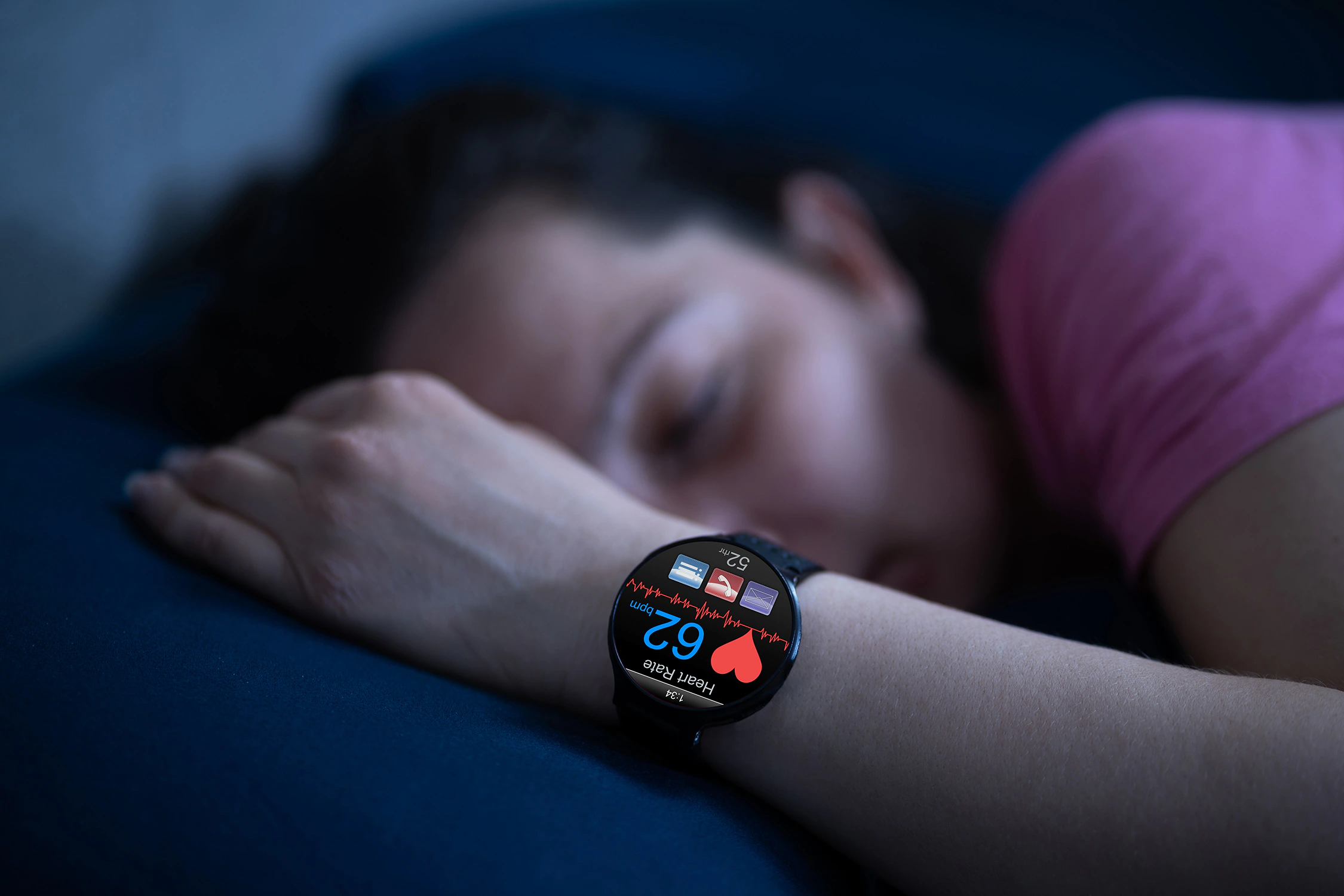
Wearable fitness trackers have evolved far beyond counting steps. Today, many advanced devices offer detailed sleep monitoring, helping users understand sleep quality, recovery, and overall health. As sleep is closely linked to physical performance, mental clarity, and long-term wellness, wearable fitness trackers with sleep monitoring have become an essential tool for health-conscious individuals.
This article explores how sleep-tracking wearables work, their benefits, key features to look for, and how to choose the right device for your lifestyle.
What Are Wearable Fitness Trackers with Sleep Monitoring?
Wearable fitness trackers with sleep monitoring are devices worn on the wrist or body that collect data while you sleep. Using sensors and algorithms, they track sleep duration, sleep stages, and nighttime movements to provide insights into sleep patterns.
Common metrics tracked include:
- Total sleep time
- Light, deep, and REM sleep stages
- Sleep consistency
- Nighttime awakenings
- Resting heart rate during sleep
This data helps users identify habits that affect sleep quality.
How Sleep Monitoring Works
Most fitness trackers rely on a combination of:
- Motion sensors to detect movement
- Heart rate sensors to estimate sleep stages
- Blood oxygen monitoring for breathing patterns
By analyzing these signals, trackers estimate when you fall asleep, how deeply you sleep, and how often your sleep is disrupted.
Benefits of Sleep Monitoring in Fitness Trackers
Improved Sleep Awareness
Many people underestimate or overestimate how well they sleep. Trackers provide objective data that highlights patterns and irregularities.
Better Recovery and Performance
Quality sleep supports muscle recovery, immune function, and mental focus. Athletes and active individuals use sleep data to optimize training intensity.
Health Insights Over Time
Long-term sleep tracking can reveal trends related to stress, lifestyle changes, and overall wellness.
Motivation for Healthier Habits
Seeing sleep data encourages better bedtime routines, consistent sleep schedules, and reduced screen time before bed.
Key Features to Look for in Sleep-Tracking Wearables
When choosing a fitness tracker for sleep monitoring, consider the following features:
Accuracy and Sensor Quality
Reliable heart rate and motion sensors improve the accuracy of sleep stage detection.
Battery Life
Long battery life ensures uninterrupted tracking throughout the night without frequent charging.
Comfort and Design
A lightweight and comfortable design is essential for wearing the device overnight without discomfort.
Data Visualization
Clear charts, summaries, and sleep scores make it easier to understand your sleep patterns.
App Integration
Most trackers sync with mobile apps that store and analyze sleep data over time.
Popular Types of Wearable Sleep Trackers
| Device Type | Best For | Key Advantage |
|---|---|---|
| Fitness Bands | Everyday users | Lightweight and affordable |
| Smartwatches | Advanced tracking | Multi-function health data |
| Sleep Rings | Minimal wear | Discreet and comfortable |
| Chest or Head Sensors | Research-level data | High accuracy |
Each type suits different preferences, depending on comfort, budget, and depth of data required.
Sleep Monitoring and Lifestyle Integration
Sleep data becomes more valuable when combined with daily activity, stress levels, and exercise routines. Many platforms allow users to view sleep trends alongside workouts and recovery metrics.
In professional environments, similar data-driven dashboards are used in productivity tools like Cloud-Based Software for Project Management, where performance insights help optimize efficiency over time. Likewise, sleep data helps individuals optimize personal health performance.
Limitations of Sleep-Tracking Wearables
While useful, sleep trackers are not medical devices. Common limitations include:
- Estimation rather than direct measurement of sleep stages
- Occasional inaccuracies due to movement
- Variations between brands and algorithms
They are best used for identifying trends rather than diagnosing sleep disorders.
Tips to Get the Most Accurate Sleep Data
- Wear the device snugly but comfortably
- Charge the tracker before bedtime
- Maintain a consistent sleep schedule
- Review weekly and monthly trends rather than single nights
Consistency improves the usefulness of sleep insights.
FAQs: Wearable Fitness Trackers with Sleep Monitoring
Are sleep trackers accurate?
They provide reasonably accurate estimates, especially for sleep duration, but are not as precise as clinical sleep studies.
Can fitness trackers detect sleep disorders?
They can indicate irregular patterns but cannot diagnose conditions like sleep apnea or insomnia.
Do I need to wear the tracker every night?
Yes. Regular use provides better trend analysis and more reliable insights.
Is sleep tracking safe?
Yes. Wearable trackers use non-invasive sensors and are safe for daily use.
Can sleep data really improve health?
Yes. Awareness of sleep habits often leads to better routines and improved overall wellness.
Final Thoughts
Wearable fitness trackers with sleep monitoring offer valuable insights into one of the most important aspects of health. By tracking sleep duration, quality, and consistency, these devices help users make informed decisions about rest, recovery, and lifestyle habits. While not a replacement for medical evaluation, they are powerful tools for building healthier routines and improving long-term well-being.


