

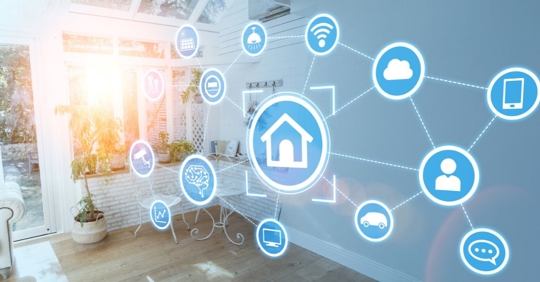
Smart home technology has rapidly transformed how we live, offering convenience, energy efficiency, and seamless control over household devices. From smart lighting and thermostats to security cameras and voice assistants, integrating multiple devices into a unified smart home ecosystem makes everyday life easier.
However, with increased connectivity comes security risks. Smart home devices are attractive targets for cybercriminals because they often have weak security protocols, store personal data, and are constantly online. Understanding the balance between integration and security is essential for protecting your home and privacy.
What is Smart Home Technology Integration?
Smart home technology integration refers to connecting multiple devices, appliances, and systems so they can communicate and be controlled from a central hub, smartphone app, or voice assistant.
Examples include:
- Controlling lights, thermostats, and appliances through a mobile app
- Linking door locks, security cameras, and alarms to a central security system
- Automating routines, such as turning off lights and lowering thermostat when leaving home
- Voice-controlled assistants coordinating multiple devices
Integration offers convenience, efficiency, and energy savings, but it also introduces points of vulnerability.
Common Security Risks of Integrated Smart Homes
| Risk | Description | Impact |
|---|---|---|
| Weak Passwords | Default or simple passwords on devices | Easy for hackers to access devices |
| Unpatched Software | Outdated firmware or apps | Exploitable vulnerabilities remain open |
| Insecure Networks | Poor Wi-Fi security | Unauthorized access to multiple devices |
| Data Privacy | Devices collecting sensitive personal data | Potential identity theft or misuse |
| Device Interoperability | Unverified third-party integrations | Can create backdoors for attackers |
Even small vulnerabilities in one device can compromise the entire ecosystem, making robust security essential.
How Cybercriminals Target Smart Homes
- Hacking IoT Devices: Cybercriminals exploit default passwords or unencrypted communications.
- Network Attacks: Weak Wi-Fi or open networks allow hackers to infiltrate connected devices.
- Phishing and Social Engineering: Fraudsters trick users into revealing login credentials.
- Botnet Integration: Compromised devices may be used to launch larger cyber attacks.
- Data Breaches: Personal information from connected devices may be stolen or sold.
The risks are similar in concept to financial technology vulnerabilities; for instance, AI-Based Fraud Detection in Online Transactions addresses threats in digital payments, while smart home security focuses on physical and digital safety at home.
Best Practices for Smart Home Security
- Strong Passwords: Replace default credentials with complex, unique passwords.
- Regular Firmware Updates: Keep devices up-to-date to patch vulnerabilities.
- Secure Wi-Fi Network: Use WPA3 encryption and a separate network for IoT devices.
- Multi-Factor Authentication: Enable MFA wherever possible for device apps.
- Limit Device Permissions: Only grant necessary access to apps and integrations.
- Device Monitoring: Regularly check device logs and network activity.
- Reputable Brands: Choose devices from companies known for security-focused designs.
Pros and Cons of Smart Home Integration
| Pros | Cons |
|---|---|
| Convenience: Centralized control of multiple devices | Security vulnerabilities if devices are compromised |
| Energy Efficiency: Optimized usage of lights, heating, and appliances | Risk of data breaches and privacy violations |
| Automation: Scheduled routines for comfort and safety | Complexity in managing multiple device updates |
| Remote Access: Control home systems from anywhere | Potential dependency on cloud services |
Tips for Safe Smart Home Integration
- Start small: Integrate essential devices first before scaling up.
- Use a dedicated smart home hub: Reduces fragmentation and improves security management.
- Regularly audit device permissions: Remove unnecessary app access.
- Avoid using default accounts or shared passwords: Protects against unauthorized access.
- Educate all household members about security risks and safe practices.
Frequently Asked Questions (FAQs)
Can smart home devices be hacked?
Yes, especially if they have weak passwords, outdated firmware, or are connected to insecure networks.
Are voice assistants safe to use?
They can be safe if properly configured, updated, and used with strong security settings. Be cautious with third-party skills or apps.
Should I separate my smart devices from my main network?
Yes, creating a separate IoT network reduces the risk of a breach affecting other devices.
How often should I update smart home devices?
Check for updates monthly, or enable automatic firmware updates if available.
Can smart home integration improve security?
Yes, integrated security devices like smart cameras and alarms provide better monitoring, but only if security best practices are followed.
Final Thoughts
Smart home technology integration offers unprecedented convenience and efficiency, but it comes with inherent security risks. By understanding the vulnerabilities, implementing strong security measures, and staying vigilant, homeowners can enjoy the benefits of smart devices while minimizing the risk of cyber attacks and data breaches.
As technology evolves, safe integration practices will be as essential for homes as AI-Based Fraud Detection in Online Transactions is for securing financial transactions, highlighting the importance of combining innovation with security awareness.


