

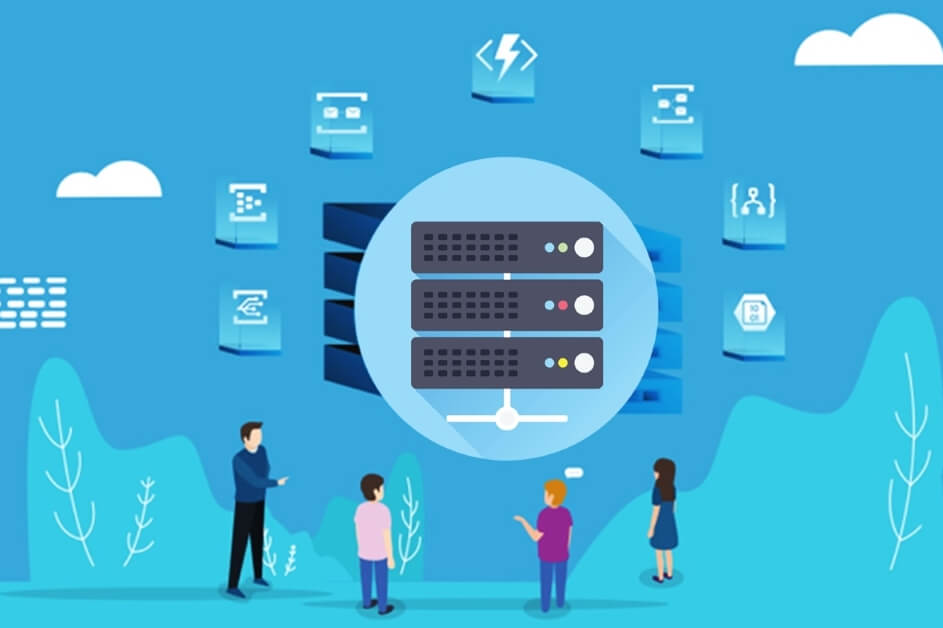
Serverless computing has emerged as a revolutionary approach in cloud computing, enabling developers to build and run applications without managing servers. Instead of provisioning, maintaining, and scaling servers, cloud providers handle the infrastructure, allowing developers to focus solely on writing code. While serverless computing offers numerous benefits, it also comes with trade-offs that organizations must carefully evaluate.
This article explores the pros and cons of serverless computing architecture, practical use cases, and strategies for maximizing its effectiveness.
What is Serverless Computing?
Serverless computing is a cloud-computing execution model where the cloud provider dynamically manages the infrastructure. Functions or microservices are executed on-demand, and users are billed only for actual compute time. Key characteristics include:
- Event-driven execution: Functions run in response to triggers, such as HTTP requests or database changes.
- Automatic scaling: Resources scale automatically based on demand.
- Pay-as-you-go pricing: Users pay only for the compute and storage consumed during execution.
Popular serverless platforms include AWS Lambda, Azure Functions, Google Cloud Functions, and IBM Cloud Functions.
Pros of Serverless Computing
1. Reduced Operational Overhead
Developers do not need to manage servers, patch operating systems, or configure networking. This allows teams to focus on code development rather than infrastructure management.
2. Cost Efficiency
With pay-as-you-go pricing, organizations only pay for the resources used during function execution, avoiding costs associated with idle servers.
3. Automatic Scaling
Serverless architectures can scale automatically in response to fluctuating traffic, making it ideal for applications with variable workloads.
4. Faster Time-to-Market
By removing infrastructure management tasks, serverless computing accelerates development cycles and speeds up deployment.
5. Simplified Maintenance
Updates and maintenance of the underlying infrastructure are handled by the cloud provider, reducing the need for specialized operations teams.
Cons of Serverless Computing
1. Cold Start Latency
Serverless functions may experience latency during the first request after a period of inactivity, potentially impacting performance for latency-sensitive applications.
2. Limited Execution Time
Most serverless platforms enforce execution time limits, which may not be suitable for long-running tasks.
3. Vendor Lock-In
Applications built on specific serverless platforms may become tightly coupled with provider-specific services, making migration challenging.
4. Debugging Complexity
Distributed, event-driven serverless applications can be difficult to debug and monitor compared to traditional architectures.
5. Security Concerns
Although the provider manages infrastructure security, developers must ensure that functions handle sensitive data securely. Misconfigurations or poorly written code can lead to vulnerabilities.
Moreover, advanced use cases like AI processing may require careful integration to avoid exposing sensitive data, highlighting parallels to the Challenges in Natural Language Processing Development when sensitive information is processed in cloud-based environments.
Serverless Computing Use Cases
| Use Case | Description | Ideal Scenario |
|---|---|---|
| Web Applications | Host serverless APIs or microservices | Variable traffic, unpredictable loads |
| Data Processing | Real-time ETL pipelines and event-driven analytics | High-volume, event-driven workloads |
| IoT Backend | Process device events efficiently | Large number of intermittent IoT events |
| Chatbots | Run AI-powered responses on-demand | Sporadic user interactions, pay-per-use efficiency |
| Scheduled Tasks | Execute cron jobs or batch processing | Periodic, lightweight tasks |
These use cases highlight the flexibility of serverless architectures in modern application development.
Best Practices for Serverless Adoption
- Optimize Cold Starts: Use warm-up techniques or choose platforms with minimal cold start latency.
- Monitor and Log Functions: Implement centralized logging and monitoring to debug event-driven workflows.
- Use Modular Functions: Break applications into small, reusable functions to improve maintainability.
- Secure Data Handling: Encrypt sensitive data, enforce role-based access, and validate inputs.
- Plan for Vendor Independence: Design abstractions that reduce dependency on a single cloud provider.
Following these practices ensures serverless computing delivers efficiency without compromising performance or security.
Frequently Asked Questions
What is the difference between serverless and traditional cloud computing?
Serverless eliminates the need to manage servers, while traditional cloud computing requires provisioning and maintaining infrastructure.
Is serverless computing cheaper than traditional models?
It can be more cost-effective for variable workloads since you only pay for compute time, but high, constant workloads may be cheaper with dedicated servers.
Can serverless applications handle heavy workloads?
Yes, but very high-volume or long-running tasks may require a hybrid approach combining serverless and traditional services.
How secure is serverless computing?
Cloud providers handle infrastructure security, but developers are responsible for securing functions and sensitive data.
Are serverless applications suitable for startups?
Absolutely. Startups benefit from reduced operational overhead, lower costs, and faster time-to-market.
Conclusion
Serverless computing architecture offers a compelling way to build and deploy applications efficiently, with reduced operational overhead, automatic scaling, and pay-as-you-go pricing. It is particularly beneficial for startups, small teams, and applications with variable workloads.
However, challenges such as cold start latency, vendor lock-in, and debugging complexity must be addressed through best practices, careful architecture design, and robust security measures. Similar to the Challenges in Natural Language Processing Development, serverless architectures require thoughtful planning to ensure performance, reliability, and data privacy.
By understanding the pros and cons, organizations can leverage serverless computing to innovate rapidly, reduce costs, and focus on delivering value to end users without being bogged down by infrastructure management.


