

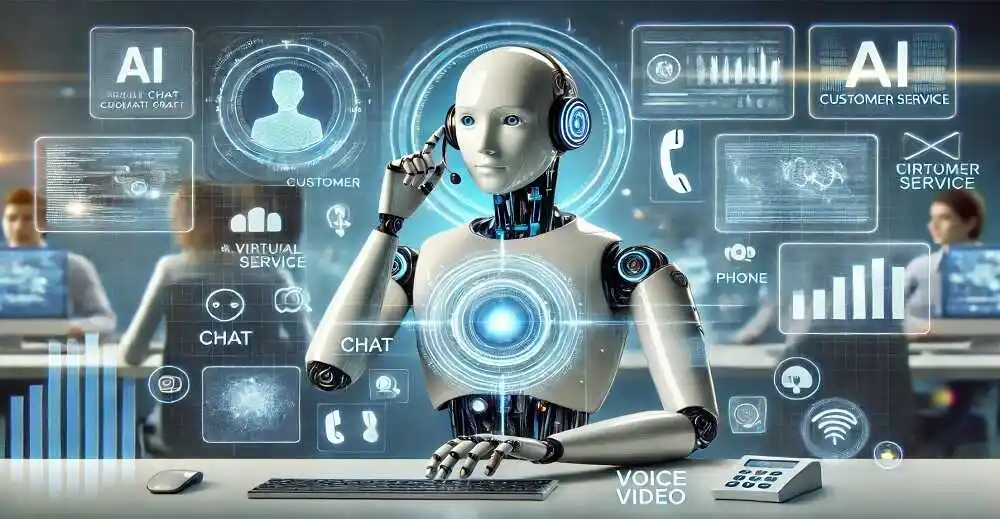
Artificial intelligence has rapidly become one of the most influential technologies in modern business, reshaping how companies interact with customers and manage service operations. From automated support channels to intelligent data analysis, AI is driving efficiency, personalization, and significant cost savings across industries. Just as understanding the Essential Components for a Home Theater System helps you build a better entertainment experience, knowing how AI functions within customer service helps businesses build a responsive, future-ready support strategy.
AI is not simply an upgrade to traditional systems—it is a full transformation. It changes how customers communicate, how businesses respond, and how service teams operate behind the scenes. This guide explores the main ways AI is revolutionizing customer service and what it means for businesses moving forward.
1. AI-Powered Chatbots and Virtual Assistants
Chatbots are one of the most common applications of AI in customer service. They provide instant responses to customer queries, reducing wait times and improving satisfaction.
Key Benefits
- 24/7 availability without the need for human agents
- Instant responses to common questions
- Reduced workload for service teams
- Consistent communication, regardless of volume
These virtual assistants are becoming smarter as they use machine learning to understand context, intent, and customer history.
2. Predictive Analytics and Proactive Support
AI can analyze large volumes of customer data to identify patterns and predict customer needs before issues arise. This shift from reactive to proactive support is one of the greatest advantages of AI in customer service.
Examples of Proactive Support
- Identifying customers who may churn and offering solutions
- Predicting product issues before they escalate
- Suggesting personalized recommendations based on user behavior
By anticipating problems, companies can deliver faster, more efficient service.
3. Intelligent Routing and Automated Workflows
AI can automatically route customer inquiries to the most appropriate support agent based on expertise, availability, and urgency. This reduces misrouting and improves first-contact resolution.
How It Works
- AI analyzes the content of messages
- Categorizes and prioritizes requests
- Matches inquiries with the right team or agent
This automation streamlines operations and reduces bottlenecks, especially during peak times.
4. Enhancing Personalization
Modern customers expect personalized experiences. AI allows companies to meet this expectation by analyzing previous interactions, purchase history, and preferences.
Personalization Examples
- Tailored product suggestions
- Customized support responses
- Relevant content based on user behavior
AI enables service teams to treat each customer as an individual, improving loyalty and long-term engagement.
5. Sentiment Analysis for Real-Time Insights
AI tools can interpret tone, emotion, and intent behind customer messages. Sentiment analysis helps companies understand how customers feel before responding.
Why It Matters
- Agents can adjust tone to match customer mood
- Priority is given to frustrated or unhappy customers
- Companies can track satisfaction trends over time
This allows service teams to respond more effectively and empathetically.
6. Automation of Repetitive Tasks
AI excels at handling routine and repetitive tasks that traditionally take up valuable time.
Automatable Tasks Include
- Ticket creation
- Data entry
- Account verification
- FAQ responses
By automating these tasks, human agents can focus on complex issues requiring creativity and problem-solving.
7. Real-Time Agent Assistance
AI doesn’t just help customers—it also supports agents during live interactions. Real-time assistance tools can suggest responses, provide relevant resources, and highlight potential solutions instantly.
Benefits for Representatives
- Faster response times
- Fewer errors
- Improved consistency in communication
This leads to better customer experiences and reduces training time for new agents.
8. Improved Self-Service Options
AI enhances self-service portals by making them smarter and more responsive.
AI-Enhanced Self-Service Tools
- Knowledge bases that adapt based on popular queries
- Interactive guides and troubleshooting flows
- Voice assistants capable of handling complex requests
Self-service not only speeds up customer resolutions but also significantly reduces operational costs.
9. Multichannel Integration Through AI
Customers interact with brands across multiple channels—email, phone, social media, live chat, and apps. AI helps unify these channels to deliver seamless support.
AI Supports Multichannel Service By
- Tracking interactions across platforms
- Maintaining consistent communication
- Ensuring data remains synchronized
With unified data, businesses can offer more cohesive support experiences.
10. Data-Driven Decision Making
AI provides real-time analytics and performance insights that help service managers make informed decisions. These insights can highlight trends, agent performance metrics, and customer concerns.
Examples of AI Insights
- Identifying recurring issues
- Measuring agent productivity
- Tracking customer satisfaction patterns
Companies can use these insights to improve products, refine training, and enhance service strategies.
Comparison Table: Traditional vs. AI-Driven Customer Service
| Feature | Traditional Service | AI-Driven Service |
|---|---|---|
| Response Time | Slower, agent-dependent | Instant, automated |
| Availability | Limited hours | 24/7 support |
| Personalization | Basic | Highly tailored |
| Cost Efficiency | Higher labor costs | Automation reduces costs |
| Data Insights | Manual analysis | Real-time analytics |
| Problem Prevention | Mostly reactive | Predictive & proactive |
Frequently Asked Questions
1. Can AI fully replace human customer service agents?
No. AI enhances efficiency but human agents remain essential for complex, emotional, or nuanced issues.
2. Is AI difficult to integrate into existing systems?
Modern AI tools are designed for seamless integration with CRM platforms, ticketing systems, and communication channels.
3. Does AI improve customer satisfaction?
Yes. Faster responses, personalized solutions, and proactive support significantly enhance customer satisfaction.
4. Is AI suitable for small businesses?
Absolutely. Many AI tools are affordable and scalable, making them ideal for small and midsize companies.
5. Does AI help reduce customer service costs?
Yes. Automation and efficiency improvements reduce operational expenses and lower the demand for large support teams.
Final Thoughts
AI is transforming customer service operations by making support faster, smarter, and more personalized than ever before. From chatbots and predictive analytics to intelligent routing and real-time assistance, AI empowers businesses to meet modern customer expectations while reducing costs and improving overall efficiency.
As AI continues to evolve, customer service will become even more proactive, intuitive, and interconnected—giving companies the tools they need to deliver exceptional experiences at every touchpoint.


