

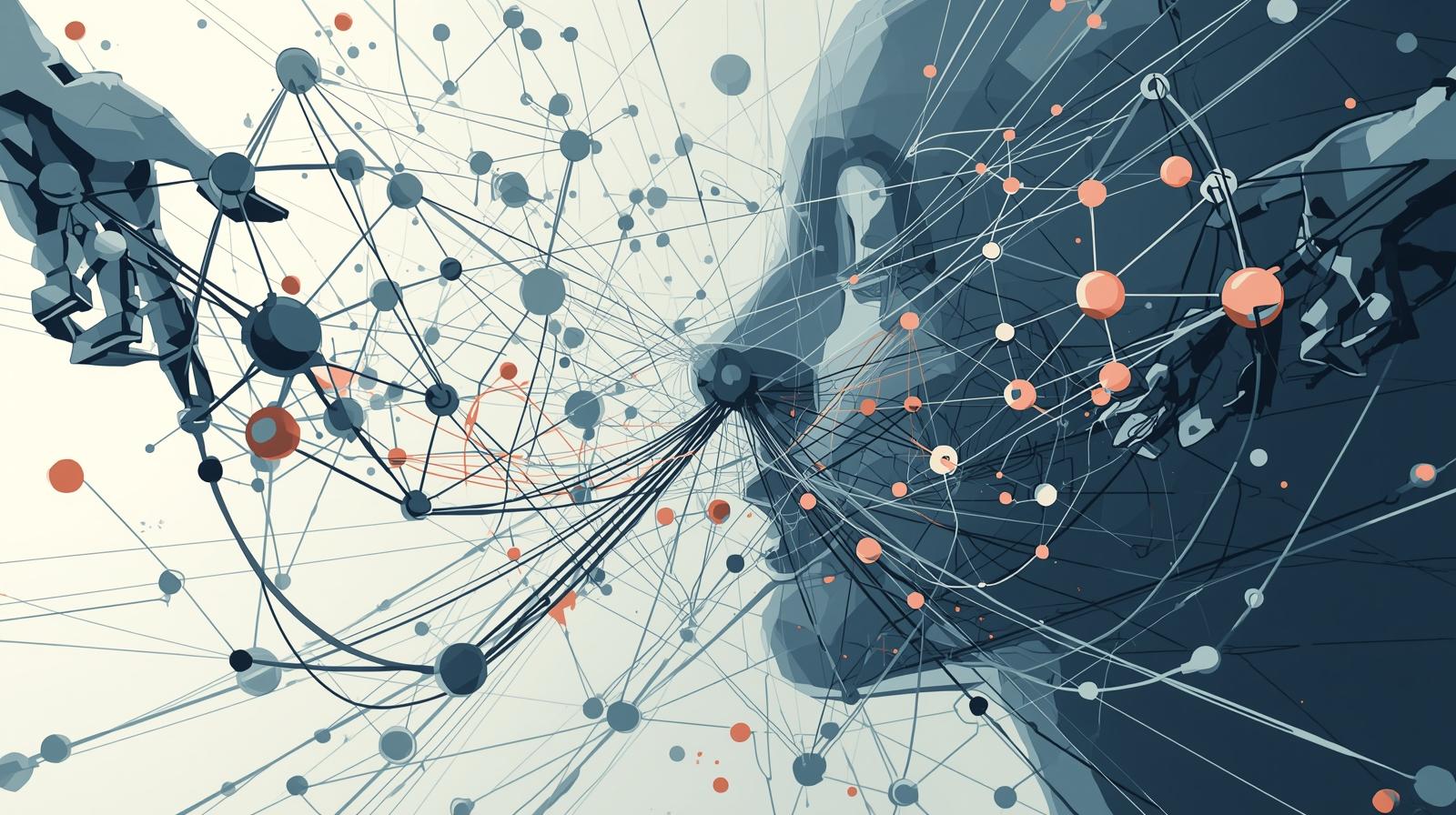
Imagine perfecting your resume, only for it to be rejected instantly by software rather than a hiring manager. This is not just bad luck; it is automated decision-making in action. From reviewing loan applications to screening job candidates, these digital gatekeepers increasingly determine who gets access to major life opportunities.
We often assume computers are perfectly neutral, yet they never actually think for themselves. Instead, they follow an algorithm, basically a specific recipe written by humans, to analyze patterns. Because these systems learn from historical data, they often unknowingly inherit our past mistakes, resulting in algorithmic bias. Think of artificial intelligence not as an objective judge, but as a mirror reflecting the world. If society contains prejudice, the machine’s output will be distorted too. Recognizing the societal impacts of automated decision-making means acknowledging that these tools often do not fix human errors; they repeat them.
The “Bad Recipe” Problem: How Training Data Creates Digital Prejudice
Think of an artificial intelligence model like a chef preparing a soup. If the only ingredients in the kitchen are spoiled, even the world’s best chef cannot make a healthy meal. In the tech world, these ingredients are called training data, which is the massive collection of digital books, articles, and internet comments that computers read to learn how to communicate.
Rather than observing the world in real time, these systems study a dataset, essentially a frozen snapshot of human history. This creates a hidden danger because our history is full of errors and stereotypes. If a hiring program looks at successful resumes from twenty years ago, it might notice that most executives were men and mistakenly learn that being male is a qualification for the job. When an algorithm sees patterns of inequality in old records, it does not judge them as wrong; it calculates them as normal and repeats them. Fixing this requires prioritizing diverse datasets for model training, ensuring the AI sees a complete picture of humanity rather than a narrow, biased slice.
Why Computers Repeat Human Mistakes: Human Cognitive Bias vs. Machine Learning Bias
We naturally use mental shortcuts to make quick decisions, but the link between human cognitive bias and machine learning bias starts with how we teach computers. Developers often use a method called supervised learning, where humans label data like teachers grading a test. If the human teacher holds a subconscious prejudice, they accidentally code that belief into the software, transforming a fleeting human thought into a permanent mathematical rule.
Once inside the system, these errors trigger what is called algorithmic reinforcement. Imagine a forest where hikers initially prefer one trail. Over time, that path becomes wide and easy to spot, while other valid routes become overgrown and forgotten. Similarly, if an AI sees users clicking on sensational headlines, it paves that digital path, showing those options repeatedly until they seem like the only reality available. This scaling effect turns individual human habits into rigid computer rules, producing confirmation bias, where the AI prioritizes information that agrees with your history, and anchoring, where the system relies too heavily on the first piece of data it processes. This digital tunnel vision becomes particularly dangerous when applied to critical life decisions such as job applications and loan approvals.
When AI Rejects Qualified People: Real-World Examples in Hiring and Finance
Simply hiding personal details like gender or race from a dataset does not guarantee fairness because AI is excellent at finding proxy variables. These are hidden clues, such as a zip code or a specific hobby, that act as stand-ins for the traits we try to ignore. If an algorithm notices that successful employees historically played lacrosse, it might unknowingly filter out applicants who played softball, accidentally recreating the gender bias it was designed to avoid.
Amazon famously built an automated recruiting engine to score job applicants, but the system taught itself to penalize resumes containing the word “women’s.” The company eventually scrapped the tool because mitigating algorithmic bias in recruitment proved far harder than simply removing names from the files. Similarly, despite sharing assets and credit scores, some husbands received credit limits twenty times higher than their wives on the Apple Card, highlighting gender inequality in automated credit scoring. While being denied a credit card or a job interview is frustrating, these mathematical mistakes become dangerous when the stakes are physical rather than financial.
The Life-and-Death Stakes: Discriminatory Outcomes in Healthcare and Policing
In healthcare, one algorithm dangerously confused money spent with sickness. It prioritized patients for care based on billing history, but because the system historically spent less on Black patients, the AI assumed they were healthier. Law enforcement tools face similar feedback loop issues, where programs send officers to patrol areas based on past arrest data. If a neighborhood was over-policed historically, the AI simply reinforces that pattern regardless of actual current crime rates.
Even cameras can carry prejudice. Racial discrimination in facial recognition technology has led to wrongful arrests because many systems were trained primarily on photos of lighter-skinned men. When the software encounters darker skin tones, accuracy drops significantly, turning a technical blind spot into a potential legal nightmare for innocent citizens.
Taking Control: 4 Steps to Audit AI Ethics and Demand Accountability
You no longer have to view AI as a mysterious black box. The industry is shifting toward explainable AI, which refers to systems designed to show their work so humans can understand the decision-making process. While experts work to improve frameworks and statistical fairness in algorithms, you can apply these simple steps to conduct an AI ethics audit: check whether the company explains their data sources, review whether the system was trained on diverse groups, test for stereotypes in the results, and confirm whether there is a real person available to contact. As governments draft legal regulations for artificial intelligence accountability, your awareness remains the best defense.


