

Introduction
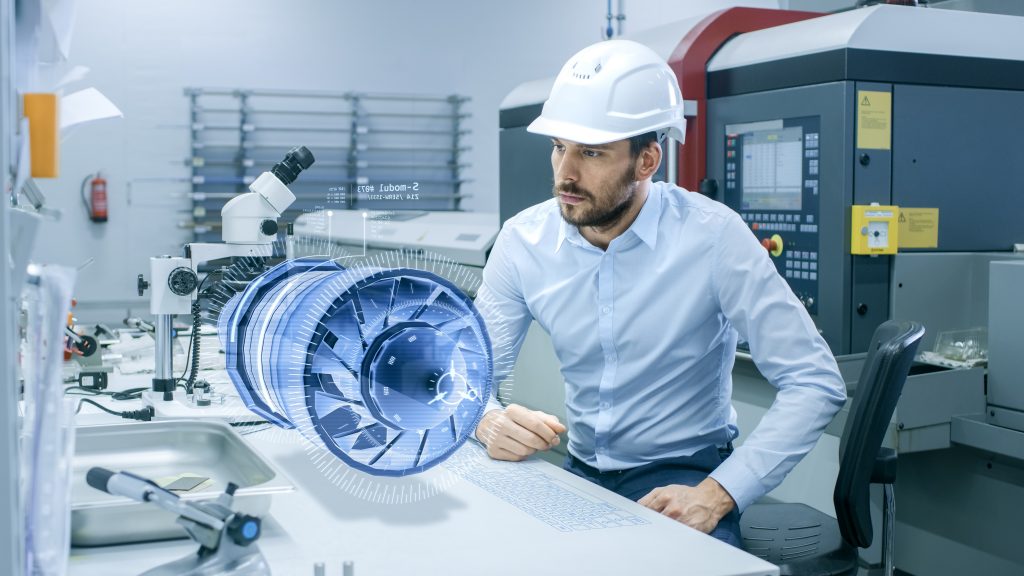
Digital twin technology is rapidly transforming the manufacturing industry by bridging the gap between physical assets and digital intelligence. A digital twin is a virtual replica of a physical object, system, or process that continuously receives real-time data from its physical counterpart. This technology allows manufacturers to simulate, analyze, monitor, and optimize operations with unprecedented accuracy.
As global competition intensifies and production systems become more complex, manufacturers are increasingly adopting digital twin technology to improve efficiency, reduce costs, and enhance product quality. From predictive maintenance to smart factory planning, digital twins are becoming a foundational pillar of Industry 4.0.
What Is Digital Twin Technology?
Digital twin technology involves creating a dynamic digital model of a physical asset using data from sensors, Internet of Things (IoT) devices, artificial intelligence (AI), and advanced analytics. Unlike static simulations, a digital twin evolves in real time, reflecting changes in performance, condition, and environment.
In manufacturing, digital twins can represent individual machines, production lines, entire factories, or even supply chains. This real-time synchronization enables data-driven decision-making across the product lifecycle.
Importance of Digital Twin Technology in Manufacturing
The manufacturing sector faces constant pressure to increase productivity while minimizing downtime and operational risks. Digital twin technology addresses these challenges by providing visibility into complex systems and enabling proactive management.
Key benefits include:
- Real-time monitoring of equipment and processes
- Early detection of faults and inefficiencies
- Enhanced collaboration between engineering, operations, and management
- Faster innovation and reduced time-to-market
By using digital twins, manufacturers can test scenarios virtually before implementing changes in the real world, reducing costly errors.
Key Applications of Digital Twin Technology in Manufacturing
Predictive Maintenance
One of the most valuable applications of digital twins is predictive maintenance. By analyzing real-time performance data, digital twins can identify early warning signs of equipment failure. This allows maintenance teams to intervene before breakdowns occur, significantly reducing unplanned downtime and maintenance costs.
Process Optimization
Digital twins enable manufacturers to simulate production workflows and identify bottlenecks. Adjustments can be tested virtually to optimize throughput, energy usage, and resource allocation without disrupting live operations.
Product Design and Development
Manufacturers use digital twins to model product behavior under various conditions. This improves design accuracy, reduces the number of physical prototypes, and ensures higher product quality before mass production.
Quality Control
Digital twins help monitor production parameters and detect deviations from quality standards in real time. This leads to fewer defects, reduced waste, and consistent output quality.
Smart Factory and Automation
In smart manufacturing environments, digital twins act as the central intelligence layer. They integrate data from robotics, automation systems, and enterprise software to enable autonomous decision-making and adaptive production systems.
Role of Advanced Connectivity and Data Technologies
Digital twin technology relies heavily on high-speed connectivity, cloud computing, AI, and big data analytics. As manufacturing systems become more interconnected, next-generation wireless networks will further enhance real-time data exchange. Innovations such as edge computing and future connectivity models, including discussions around How 6G Technology Could Change Wireless Communication, highlight the growing importance of ultra-low latency and massive device connectivity for digital twin scalability.
Benefits of Digital Twin Technology for Manufacturers
- Reduced Operational Costs: Fewer breakdowns and optimized resource usage
- Improved Asset Lifespan: Continuous monitoring prevents excessive wear
- Higher Productivity: Optimized workflows and reduced downtime
- Better Decision-Making: Data-driven insights replace assumptions
- Enhanced Sustainability: Efficient energy and material usage
These benefits collectively give manufacturers a competitive advantage in rapidly evolving markets.
Challenges in Implementing Digital Twin Technology
Despite its advantages, implementing digital twin technology comes with challenges:
- High initial investment in sensors, software, and infrastructure
- Integration complexity with legacy systems
- Data security and privacy concerns
- Requirement for skilled professionals in data science and analytics
However, as technology matures and adoption increases, these challenges are becoming more manageable.
Digital Twin Use Cases in Manufacturing
| Use Case | Description | Business Impact |
|---|---|---|
| Predictive Maintenance | Anticipates equipment failures using real-time data | Reduced downtime and repair costs |
| Production Simulation | Tests process changes virtually | Improved efficiency and lower risk |
| Product Testing | Simulates product performance | Faster development cycles |
| Energy Management | Monitors and optimizes energy usage | Lower operational costs |
| Supply Chain Modeling | Visualizes logistics and inventory flows | Improved planning accuracy |
Future of Digital Twin Technology in Manufacturing
The future of digital twin technology in manufacturing is closely tied to advances in AI, machine learning, and immersive technologies such as augmented reality. Digital twins will become more autonomous, capable of self-learning and self-optimization.
As adoption grows, digital twins will extend beyond individual factories to connect entire ecosystems, including suppliers, distributors, and customers. This will enable end-to-end visibility and fully adaptive manufacturing networks.
Frequently Asked Questions (FAQs)
What industries benefit most from digital twin technology?
While manufacturing is a primary adopter, industries such as automotive, aerospace, energy, healthcare, and construction also benefit significantly from digital twins.
Is digital twin technology only for large manufacturers?
No. While large enterprises were early adopters, cloud-based platforms now make digital twin solutions accessible to small and medium-sized manufacturers.
How is a digital twin different from a simulation?
A simulation is static and based on assumptions, while a digital twin is dynamic and continuously updated with real-time data from physical systems.
Does digital twin technology require IoT?
Yes. IoT devices and sensors are essential for collecting real-time data that keeps the digital twin synchronized with the physical asset.
How long does it take to implement a digital twin?
Implementation time varies depending on system complexity, but many manufacturers begin seeing value within months of deployment.
Conclusion
Digital twin technology is reshaping the manufacturing industry by enabling smarter, faster, and more efficient operations. By creating a real-time digital representation of physical assets and processes, manufacturers can predict issues, optimize performance, and innovate with confidence.
As digital transformation accelerates, digital twins will move from being a competitive advantage to an operational necessity. Manufacturers that invest in this technology today are positioning themselves for long-term resilience, efficiency, and growth in an increasingly data-driven industrial landscape.


