

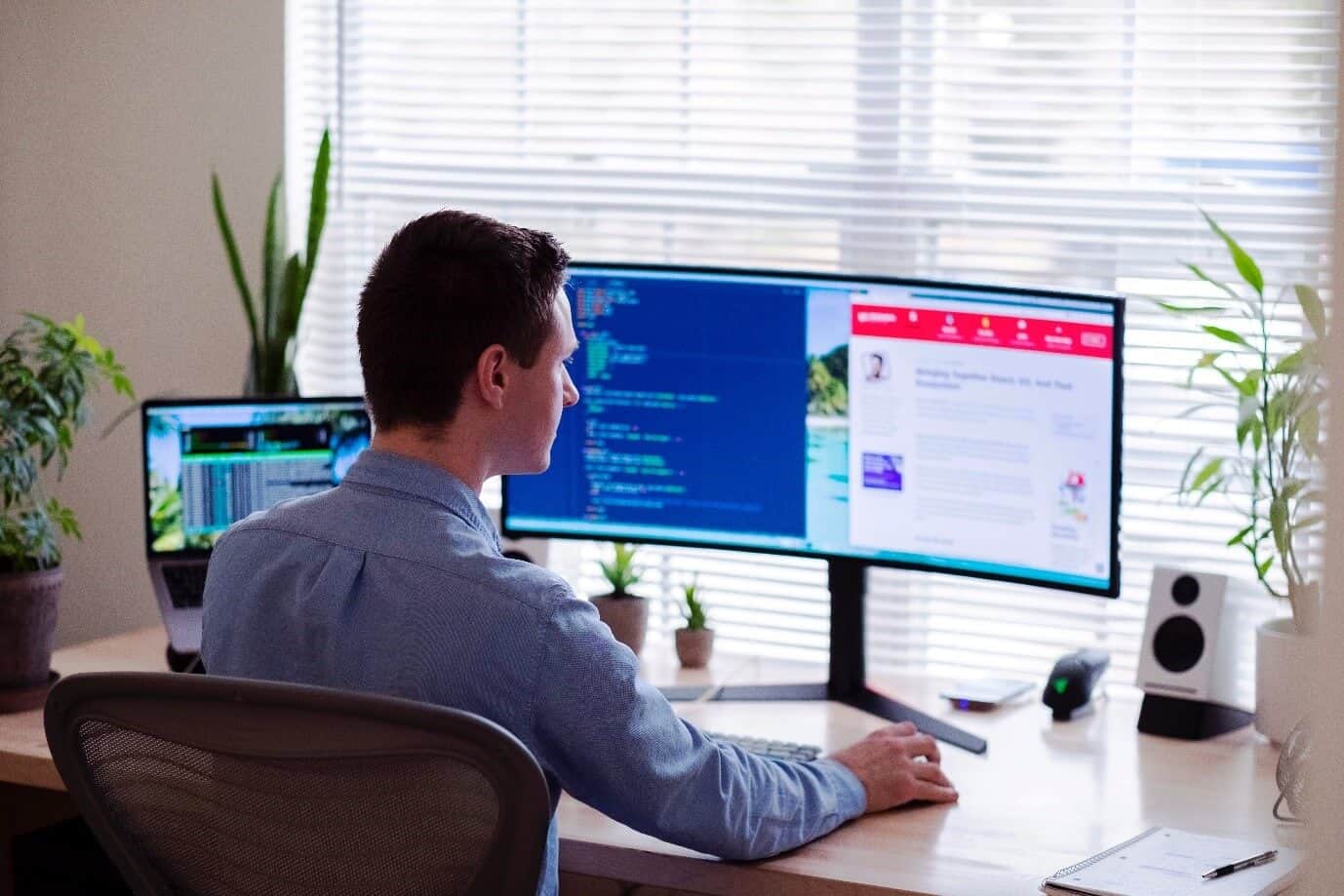
The rise of remote work has transformed the modern workplace, offering flexibility, cost savings, and access to global talent. However, it also introduces significant cybersecurity risks. Employees working from home often rely on personal devices, unsecured networks, and cloud-based tools, making organizations vulnerable to attacks. Understanding these threats and implementing proactive measures is essential to protect sensitive data, maintain compliance, and ensure business continuity.
This article explores the key cybersecurity threats facing remote work environments and provides strategies to mitigate risks.
Major Cybersecurity Threats in Remote Work
1. Phishing Attacks
Phishing remains one of the most common cyber threats. Employees may receive emails, messages, or fake websites designed to steal login credentials or sensitive information. Remote workers are particularly vulnerable because they often access company systems outside secure corporate networks.
2. Unsecured Home Networks
Many remote employees use personal Wi-Fi networks, which may lack strong encryption or security protocols. Attackers can exploit weak networks to intercept data, inject malware, or gain unauthorized access to company systems.
3. Malware and Ransomware
Malware, including ransomware, can infect personal or corporate devices, encrypt critical files, and demand payment. Remote work increases the risk of spreading malware due to less controlled IT environments.
4. Shadow IT
Employees may use unauthorized applications, cloud storage, or collaboration tools to complete work tasks. These unapproved tools often bypass security controls, exposing sensitive data to breaches.
5. Inadequate Endpoint Security
Remote work relies heavily on laptops, tablets, and smartphones. Devices without updated security patches, antivirus software, or multi-factor authentication are prime targets for attackers.
6. Weak Passwords and Credential Theft
Many remote workers reuse passwords or fail to use strong authentication methods. Credential theft through brute-force attacks or password leaks can compromise entire systems.
7. Insider Threats
Employees, contractors, or third-party vendors may accidentally or intentionally leak sensitive data. Lack of direct supervision in remote work environments makes detecting insider threats more challenging.
Table: Cybersecurity Threats in Remote Work
| Threat | Description | Potential Impact | Prevention Strategies |
|---|---|---|---|
| Phishing | Fraudulent emails or links | Credential theft, data breaches | Employee training, email filtering, MFA |
| Unsecured Networks | Personal Wi-Fi vulnerabilities | Interception of sensitive data | VPNs, strong Wi-Fi encryption, firewalls |
| Malware/Ransomware | Malicious software | Data loss, system lockdown | Antivirus, software updates, backups |
| Shadow IT | Unauthorized apps & services | Data exposure, non-compliance | IT policies, approved software lists |
| Endpoint Vulnerabilities | Unpatched or insecure devices | System compromise | Endpoint protection, regular updates |
| Weak Passwords | Simple or reused passwords | Unauthorized access | Strong passwords, password managers |
| Insider Threats | Malicious or careless insiders | Data leaks, sabotage | Access controls, monitoring, training |
Best Practices to Secure Remote Work Environments
- Implement VPNs: Encrypt traffic between remote devices and corporate networks to prevent interception.
- Enforce Multi-Factor Authentication (MFA): Add an extra layer of verification to protect sensitive accounts.
- Regularly Update Systems: Keep operating systems, applications, and security software current to close vulnerabilities.
- Educate Employees: Conduct phishing awareness and cybersecurity training to build a security-first culture.
- Control Shadow IT: Monitor and restrict unauthorized apps and services. Provide secure alternatives for productivity.
- Back Up Data: Regularly back up critical files to recover from ransomware or accidental deletion.
- Endpoint Security: Deploy antivirus, firewalls, and device management solutions for all remote devices.
Emerging Considerations
Modern cybersecurity also intersects with Human-Computer Interaction Trends in Modern UI Design. Designing security alerts, authentication processes, and access controls that are user-friendly can improve compliance among remote employees. Intuitive, minimally disruptive security measures increase adoption and reduce risky behavior, making security more effective without compromising productivity.
Frequently Asked Questions (FAQs)
Are remote workers more at risk than office workers?
Yes. Home networks, personal devices, and less direct IT oversight make remote employees more vulnerable to cyber threats.
Can VPNs alone secure remote work?
VPNs are essential but insufficient. Comprehensive security includes MFA, endpoint protection, user training, and data backup.
How can companies prevent ransomware attacks remotely?
Regular software updates, employee awareness, secure backups, and robust antivirus solutions help reduce ransomware risks.
Is insider threat monitoring feasible for remote teams?
Yes. Using access controls, behavior monitoring, and secure communication platforms helps identify and prevent insider risks.
What role does employee training play in cybersecurity?
Training is critical. Educated employees are less likely to fall for phishing attacks, use insecure apps, or mishandle sensitive data.
Final Thoughts
Cybersecurity threats in remote work environments are real and evolving, but proactive measures can mitigate risks. Organizations must adopt a multi-layered approach, including secure networks, endpoint protection, employee training, and strong access controls. By combining technology with user-centered practices inspired by Human-Computer Interaction Trends in Modern UI Design, businesses can create secure, efficient, and user-friendly remote work environments.


