

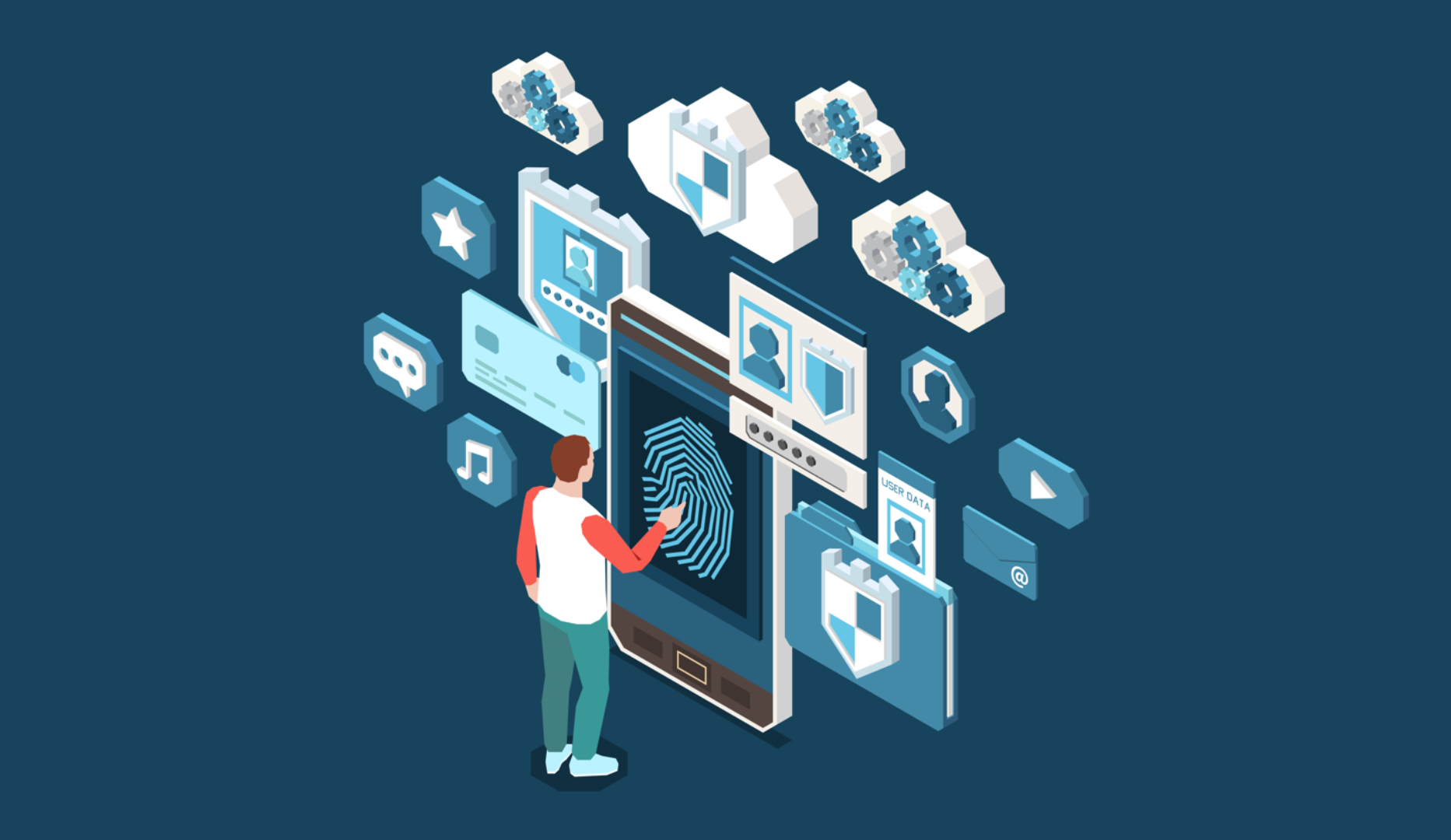
In today’s mobile-first world, smartphones store highly sensitive data—from banking details to personal communications. Traditional passwords and PINs are no longer enough to ensure security. Biometric authentication, which uses unique physiological or behavioral traits to verify identity, has emerged as a reliable solution for mobile security.
This article explores popular biometric methods, their advantages, limitations, and best practices for integrating them into mobile devices.
What is Biometric Authentication?
Biometric authentication uses an individual’s unique physical or behavioral characteristics for identity verification. Unlike traditional passwords, biometrics are difficult to replicate, offering an extra layer of security. Common types include:
- Fingerprint recognition
- Facial recognition
- Iris or retina scanning
- Voice recognition
- Behavioral biometrics (e.g., typing patterns, swipe gestures)
These methods improve both convenience and security, creating a seamless authentication experience.
Popular Biometric Methods for Mobile Security
| Biometric Method | How It Works | Advantages | Limitations |
|---|---|---|---|
| Fingerprint Recognition | Scans fingerprint patterns via device sensors | Fast, widely available, reliable | Sensor malfunctions, wet or dirty fingers |
| Facial Recognition | Maps facial features using the front camera | Contactless, quick, integrated in most smartphones | Poor lighting or appearance changes can affect accuracy |
| Iris/Retina Scanning | Scans unique patterns in the eye | Extremely accurate, difficult to spoof | Requires advanced hardware, slower setup |
| Voice Recognition | Identifies unique vocal patterns | Hands-free, convenient for accessibility | Background noise or illness may interfere |
| Behavioral Biometrics | Monitors device usage patterns (typing/swiping) | Continuous authentication, hard to replicate | Privacy concerns, data-intensive |
Advantages of Biometric Authentication
- Enhanced Security: Unique traits make unauthorized access difficult.
- User Convenience: No need to memorize complex passwords.
- Continuous Authentication: Behavioral biometrics can detect unusual usage patterns.
- Fraud Reduction: Harder for attackers to impersonate users.
- Integration with Mobile Services: Works seamlessly with banking apps, e-wallets, and corporate apps.
Biometric systems can even complement other technological applications, much like How Natural Language Processing Improves Search Engines by combining sophisticated analysis with user convenience.
Challenges in Mobile Biometric Security
- Privacy Concerns: Biometric data is sensitive and must be securely stored.
- Spoofing Risks: High-resolution images or voice recordings can trick some systems.
- Hardware Limitations: Not all devices support advanced biometrics like iris scanning.
- Accessibility Issues: Some users may have difficulty using fingerprint or facial recognition.
- Regulatory Compliance: Biometric data is subject to privacy and data protection laws.
Best Practices for Using Biometric Security
- Use Multi-Factor Authentication (MFA): Combine biometrics with PINs or passwords for stronger security.
- Secure Storage: Encrypt biometric templates instead of storing raw data.
- Keep Software Updated: Regular updates prevent vulnerabilities.
- Educate Users: Ensure users understand spoofing risks and safe usage.
- Provide Fallback Options: Allow alternative login methods if biometric sensors fail.
Frequently Asked Questions (FAQs)
Are biometrics safer than passwords?
Yes, biometrics are generally harder to replicate, but combining them with a password or PIN enhances security.
Can biometric systems be hacked?
While more secure than traditional passwords, advanced spoofing techniques exist. Anti-spoofing technologies are essential for protection.
Do all smartphones support biometric authentication?
Most modern smartphones support fingerprint and facial recognition, though iris and behavioral biometrics are limited to specific models.
How is biometric data protected?
Devices store biometric templates in encrypted, secure environments like Trusted Execution Environments (TEE) or Secure Enclave, not as raw images.
What happens if biometric data is compromised?
Unlike passwords, biometric traits cannot be changed, which makes secure storage and multi-factor authentication crucial.
Final Thoughts
Biometric authentication is revolutionizing mobile security by combining convenience with advanced protection. Fingerprint, facial, and behavioral methods provide robust solutions for both everyday users and enterprises.
By integrating these authentication methods responsibly, mobile users can ensure that sensitive information remains secure, seamless, and user-friendly—much like How Natural Language Processing Improves Search Engines by efficiently combining advanced technology with user-centric functionality.


