

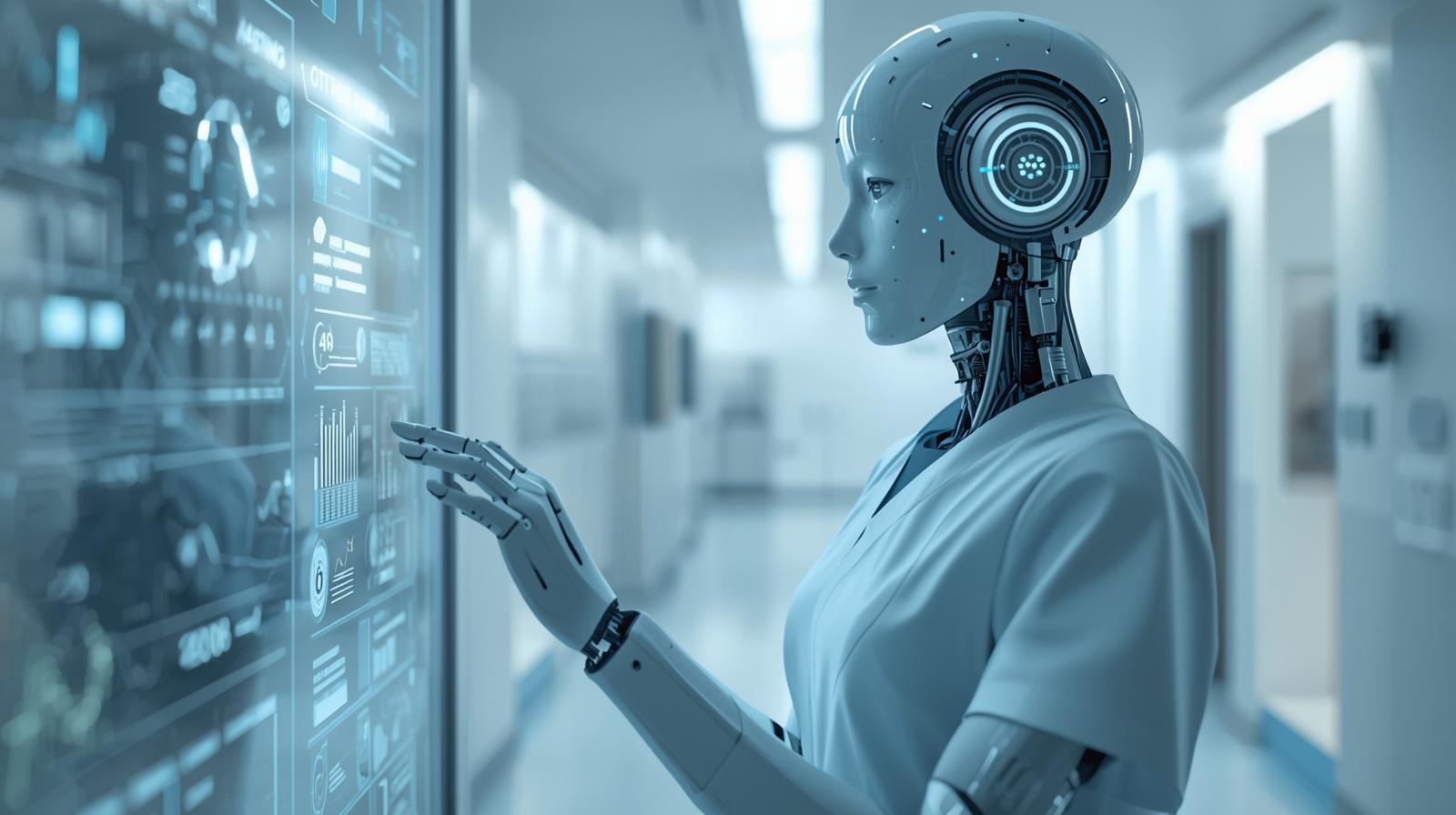
Pressing the red call button on a hospital bed and watching the minutes tick by while waiting for a busy nurse is a source of anxiety for many patients. This delay is a common symptom of a larger issue: widespread nursing shortages often leave caregivers with too many patients and insufficient time. To bridge this gap, hospitals are deploying new healthcare technology designed to monitor patients when staff cannot.
The concept of an AI nurse is far less cinematic than science fiction suggests. Rather than a metal robot rolling into your room to take charge, these systems serve as invisible digital health assistants working silently in the background. They do not make medical decisions; instead, they process information to help the human team work faster. Think of these smart systems as high-tech stethoscopes or intelligent clipboards rather than replacements for people. By handling continuous monitoring and administrative tasks, AI healthcare tools act as a second set of eyes, alerting the medical team instantly if a heart rate spikes or assistance is needed.
This approach relies on a human-in-the-loop strategy where software supports the care team without taking over. By utilizing virtual nursing assistants to watch the monitors, hospitals ensure that human nurses have the freedom to do what they do best: provide comfort, empathy, and hands-on care.
What Exactly Is an AI Nurse?
While futuristic scenarios suggest metal androids taking blood pressure, the reality of an AI nurse is closer to the smartphone in your pocket. These tools are rarely physical robots; they are sophisticated software programs integrated into existing screens, tablets, or call systems. Rather than replacing the person at the bedside, this technology acts as a smart clipboard that never sleeps, constantly organizing information so the care team avoids hunting for it.
Most of these tools function as virtual nursing assistants. Just as a user might ask a digital speaker to set a timer, patients can voice concerns to these medical systems. If a patient says “I’m in pain,” the software uses Natural Language Processing to understand the urgency of the request, converting spoken words into a prioritized alert on a human nurse’s phone and ensuring a request for pain medication is prioritized over a request for water.
The division of labor between human and machine is clear. The AI nurse instantly updates electronic health records, answers common questions about hospital food or visiting hours, and monitors vital signs for routine changes. The human nurse administers medication, performs physical exams, interprets complex situations, and provides emotional comfort and empathy.
Spotting a Health “Storm” Before It Hits: Predictive Analytics in Monitoring
A meteorologist who only predicts a storm after the basement floods offers little value. Yet traditional hospital monitors often work this way, sounding an alarm only after a problem has already occurred. Artificial intelligence in patient monitoring acts like a sophisticated weather radar for the body. Instead of reacting to an emergency already in progress, the system analyzes data to predict trouble hours before symptoms appear.
Humans are excellent at reacting to obvious changes but often struggle to notice tiny, slow shifts over long periods. Machine learning becomes indispensable here. The software continuously scans thousands of data points from breathing rates to blood pressure trends, looking for subtle combinations a busy human nurse might miss during a quick spot check. It might notice that while a temperature is technically within a normal range, it has crept up by a tiny fraction every hour, signaling an infection long before a fever sets in.
Old monitors create a noisy environment of constant beeping, often causing alarm fatigue where staff become desensitized. Predictive analytics changes this dynamic by sending silent, prioritized notifications directly to a nurse’s smartphone only when a meaningful pattern emerges. This results in fewer false alarms waking patients at 3 AM and faster intervention when real issues are detected. By catching these physiological whispers before they turn into shouts, the medical team can intervene with simple adjustments rather than rushing into emergency procedures.
Giving the Gift of Time: How Automation Ends Paperwork Burnout
During hospital visits, nurses often spend more time typing on computer carts than looking at patients. This is not negligence; modern healthcare regulations require overwhelming documentation for every pill given or symptom checked. This constant demand for data entry is a major cause of documentation fatigue, turning caring professionals into data clerks and draining the energy needed for emotional support.
Technology is reclaiming those lost hours through smart listening tools that function like highly trained medical scribes. Instead of memorizing details to type later, a nurse can speak naturally while treating a patient. The system listens to the conversation, filters out casual small talk, and automatically sorts important medical data into the file with high accuracy.
This shift saves minutes per patient and serves as a critical strategy for keeping hospitals effectively staffed. By reducing the daily burnout that causes staff attrition, facilities can ensure enough human hands are available when needed most. These systems further enhance safety by recognizing if a nurse speaks a command conflicting with patient history, such as a medication allergy, and offering a warning before an error occurs.
Hospital Care in Your Living Room: The Rise of Remote Management
Leaving the hospital often feels like leaving a safety net behind, but modern tools extend protection to the front door. Just as a home security system watches for danger, remote patient management software keeps a vigilant eye on recovery without requiring a doctor’s presence. Instead of waiting weeks for a follow-up appointment to mention a new symptom, these systems track health data continuously and alert a human nurse immediately if a heart rate spikes or recovery slows, ensuring small issues are caught before they become emergencies.
For patients managing chronic conditions or recovering from surgery, this technology often takes the form of user-friendly gadgets. Common tools used in homes today include smart blood pressure cuffs that automatically send readings to medical charts, AI-linked scales that detect sudden fluid retention which can be a warning sign for heart failure, and medication reminder apps that notify a care team if a critical dose is missed. By catching these warning signs early, the focus shifts from treating sickness to maintaining wellness.
Your Data, Your Privacy: Why Humans Still Hold the Keys
Sharing intimate health details with a machine can feel unsettling, but the digital walls protecting information are robust. The strict laws protecting paper files apply directly to modern healthcare technology. Just as banks use armored vehicles to transport cash, medical systems use high-level encryption to move information. Data is scrambled into code that only authorized human staff and secure systems can read.
AI operates strictly as a support tool, never as a replacement. These systems flag potential issues faster than a human could manually review a chart, but the software acts like a highlighter, drawing attention to urgent data so the doctor can make the final decision. Patients have the right to understand exactly how their information is handled. Ask your provider whether a human doctor reviews the alerts the system generates, whether your data is shared with outside companies for research, and whether you can opt out of automated monitoring if you prefer traditional check-ins.
The Future of Care: Embracing a Partnership for Better Health
The image of a cold, robotic future where machines replace care is fading. The AI nurse is better understood as a tireless digital assistant working in the background. By handling the stream of data and paperwork, this technology ensures that when a human nurse enters a room, their focus is entirely on the patient, not a clipboard.
This partnership creates a powerful safety net for recovery. While software tracks vitals with mathematical precision, medical staff provide the compassion and judgment no algorithm can replicate. Patients no longer have to choose between high-tech monitoring and high-touch care; modern AI healthcare delivers the benefits of both.
Engage with this shift during your next check-up by asking your provider whether they use digital monitoring tools or patient apps to stay connected. The goal of this technology is not to remove people from the process, but to bring them closer together. By letting smart systems handle the noise of data, we clear the way for the quiet, essential moments of connection that healing requires. The future of medicine looks surprisingly human.


