

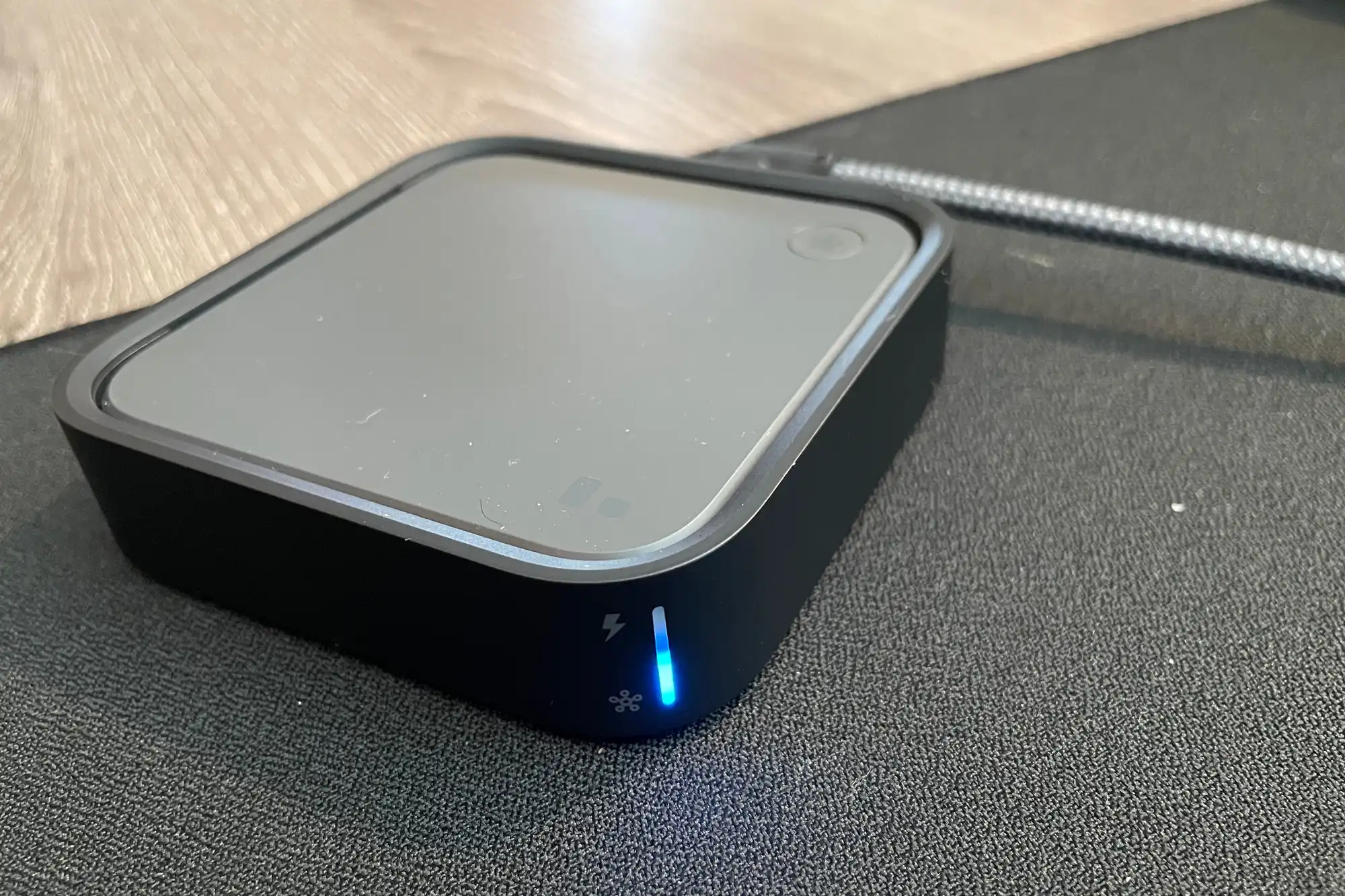
Home automation is no longer a luxury reserved for high-end properties. In 2026, affordable home automation devices have made it possible for households of all sizes to enjoy smart living. From controlling lights and thermostats to enhancing security, modern smart devices simplify daily routines, improve energy efficiency, and add convenience at a fraction of the traditional cost.
This guide explores the best affordable home automation devices in 2026, tips for integrating them, and advice for selecting the right products for your home.
Why Invest in Home Automation
Home automation offers numerous benefits, even for budget-conscious homeowners:
- Convenience: Control lights, appliances, and security systems from a smartphone or voice assistant.
- Energy Efficiency: Smart thermostats and lighting can reduce electricity consumption.
- Safety: Smart cameras, door locks, and sensors enhance home security.
- Cost Savings: Affordable devices provide smart features without expensive installation or maintenance.
- Future-Ready: Many devices are compatible with voice assistants like Alexa, Google Assistant, or Siri.
Even basic devices can transform a regular home into a smart, responsive environment.
Top Affordable Home Automation Devices in 2026
| Device Type | Recommended Product | Price Range | Key Features |
|---|---|---|---|
| Smart Plugs | TP-Link Kasa Smart Plug | $15–$30 | Remote control, scheduling, energy monitoring |
| Smart Bulbs | Wyze Bulb Color | $10–$25 | Dimmable, color options, app control |
| Smart Thermostat | Google Nest Thermostat E | $100–$130 | Energy-saving modes, app control |
| Smart Security Camera | Eufy Indoor Cam 2K | $40–$60 | Motion detection, cloud/local storage |
| Smart Door Lock | Wyze Smart Lock | $80–$120 | Keyless entry, remote access |
| Smart Sensors | Aqara Door & Window Sensor | $20–$35 | Alerts, automation triggers |
These devices combine affordability with essential smart features, making it easy for homeowners to upgrade their spaces without large investments.
How to Choose the Right Devices
When selecting affordable home automation devices, consider the following:
- Compatibility: Ensure devices work with your existing ecosystem, like Alexa, Google Home, or Apple HomeKit.
- Ease of Installation: Choose plug-and-play devices if you want a simple setup without professional help.
- Connectivity: Reliable Wi-Fi or Zigbee/Z-Wave support ensures smooth operation.
- Expandability: Devices that can integrate with additional smart products offer more flexibility.
- Security: Prioritize devices with encrypted connections to protect your privacy.
Integrating Devices for Maximum Efficiency
Affordable home automation devices can work together to create a cohesive smart home:
- Lighting and Plugs: Schedule lights and appliances to turn off automatically when not in use.
- Security Systems: Link cameras, motion sensors, and smart locks for complete home monitoring.
- Energy Management: Combine smart thermostats, plugs, and bulbs to reduce energy bills.
- Voice Control: Use voice assistants to operate multiple devices simultaneously for convenience.
Practical Tips for Smart Home Success
- Start small: Begin with one or two devices and expand gradually.
- Prioritize high-impact devices: Focus on items that improve safety, comfort, or energy efficiency.
- Update software regularly: Keep devices secure with firmware updates.
- Label devices in your app: Simplifies control and automation.
- Use automation routines: For example, set “Good Night” routines to turn off lights and lock doors automatically.
Interestingly, many smart devices leverage AI capabilities similar to those found in business tools. Just as the Best AI Software for Small Businesses automates workflows and boosts efficiency, smart home devices automate daily tasks, improving productivity and convenience in domestic settings.
Benefits of Affordable Home Automation
- Cost-Effective: Enjoy smart home features without premium prices.
- Enhanced Comfort: Control lighting, temperature, and entertainment easily.
- Improved Security: Monitor your home remotely, receive alerts, and secure entrances.
- Energy Savings: Automated scheduling reduces electricity usage and lowers bills.
- Customizable Experience: Tailor routines and scenes to fit your lifestyle.
Common Mistakes to Avoid
- Buying incompatible devices that don’t work with your ecosystem
- Overloading Wi-Fi with too many connected devices
- Ignoring privacy settings, which can compromise security
- Purchasing devices without checking reviews for reliability
- Skipping software updates, which can cause malfunctions
Frequently Asked Questions (FAQs)
Are affordable smart devices reliable?
Yes, many budget-friendly devices in 2026 offer reliable performance and long-term support if purchased from reputable brands.
Do I need professional installation?
Most affordable devices are designed for easy DIY installation. Complex systems may require professional setup.
Can I control multiple devices with one app?
Yes, many smart home apps integrate multiple devices, allowing centralized control.
Are these devices energy-efficient?
Smart plugs, bulbs, and thermostats can significantly reduce energy consumption when used properly.
Will these devices work with voice assistants?
Most affordable devices in 2026 support Alexa, Google Assistant, or Siri, but always confirm compatibility before purchasing.
Conclusion
Affordable home automation devices in 2026 make smart living accessible to a wide range of homeowners. From energy-saving bulbs and plugs to security cameras and smart locks, these devices enhance convenience, safety, and efficiency without requiring a large budget. By carefully selecting compatible devices, integrating them into cohesive routines, and staying mindful of security, homeowners can enjoy the full benefits of smart technology. Much like the Best AI Software for Small Businesses improves productivity and workflow efficiency, affordable smart devices transform everyday tasks into automated, effortless experiences, bringing a modern, connected lifestyle to every home.


