

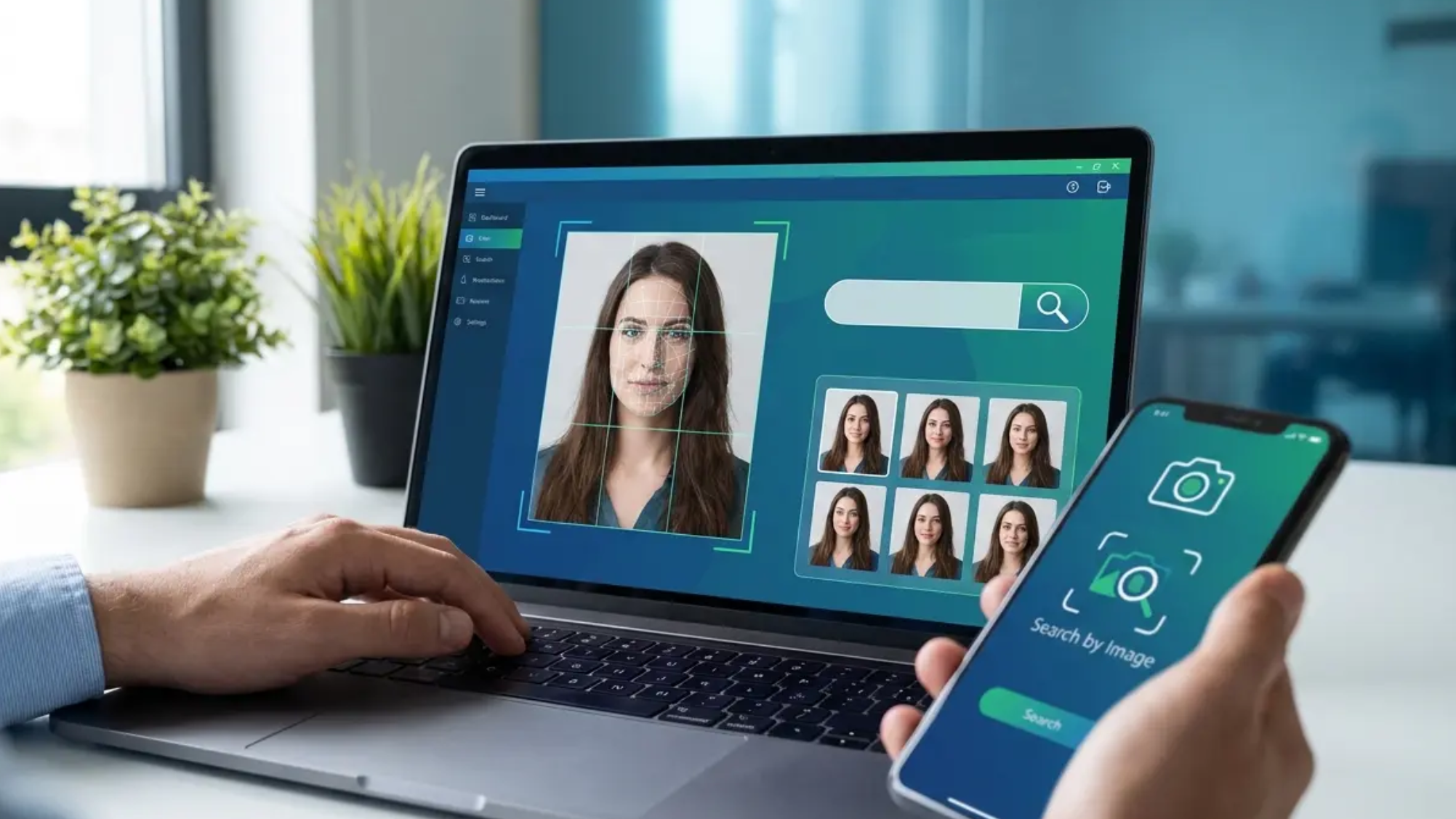
Modern society relies heavily on digital security protocols to protect sensitive information. Facial recognition technology serves as a primary tool for identity verification across numerous sectors. This biometric technology maps human features from photographs or live video feeds to ensure high-level security. By utilizing facial recognition systems, organizations can automate the process of verifying an individual’s identity with remarkable precision. The widespread adoption of face recognition has fundamentally changed how we interact with secure systems and personal devices, moving beyond simple passwords to more complex biological identifiers.
Organizations use facial recognition to secure physical facilities and streamline user authentication. You likely interact with these systems when unlocking your smartphone or passing through airport security checkpoints. Understanding how face recognition happens requires looking at both hardware and software components. The integration of face recognition technology into daily life has transformed how we perceive personal security and digital privacy. As these systems become more sophisticated, the distinction between public safety and individual anonymity continues to blur in the digital age.
The process begins with capturing a high-quality image of an individual using specialized facial recognition software. Algorithms then isolate specific facial landmarks to create a mathematical representation, often referred to as a faceprint. This digital signature allows the recognition technology to compare the new image against stored profiles in a recognition database. Many companies now offer a free trial for their face recognition software to demonstrate these capabilities to potential clients. These trials often highlight the speed at which a system can scan millions of records to find a match.
Analysts constantly refine these algorithms to improve accuracy and reduce errors in facial recognition. Many people question how face recognition impacts personal privacy and civil liberties. Companies gather massive amounts of recognition data to train their artificial intelligence models, often storing them in vast face recognition databases. To ensure ethical use, government agencies are increasingly called upon to regulate these practices. The balance between technological advancement and the protection of human rights remains a central theme in modern policy discussions.
This collection process often occurs without explicit consent from the public, raising significant ethical concerns. Regulatory bodies attempt to create guidelines, but the facial recognition technology advances rapidly. We must examine the mechanisms driving these systems to comprehend their full impact on modern society and individual rights. Comprehensive product training is often required for staff to manage these complex facial recognition systems effectively. Without proper oversight, the potential for misuse in both the public and private sectors remains a significant risk to global privacy standards.
Every facial recognition system relies on advanced machine learning models to function. Developers train these models using millions of diverse photographs to ensure the facial recognition software can handle various demographics. The software learns to identify patterns and distinguish between subtle human features, even in challenging environments. This recognition technology is the backbone of modern biometric security. To truly grasp how face recognition work, one must understand the transition from 2D image processing to 3D depth mapping.
Effective recognition tech can differentiate between identical twins in optimal lighting conditions. The accuracy depends heavily on the quality of the training data used to build the facial recognition systems. The core process involves detailed face analysis to map specific nodal points, which are then stored in a recognition database for future comparison. Organizations often seek product training to better understand these underlying mechanics. Modern systems now utilize convolutional neural networks (CNNs) to achieve unprecedented levels of precision in identification.
A standard face has approximately 80 distinct nodal points that the face recognition software measures. The distance between your eyes and the width of your nose are critical factors in creating a unique biometric profile. These measurements generate a specific formula that represents your physical appearance, allowing for a precise face search within a recognition database. Many vendors provide a free trial so users can test these mapping capabilities. This mathematical approach ensures that even as people age or change hairstyles, the core biometric signature remains relatively stable.
The resulting data point allows the software to identify individuals quickly during recognition searches. We often see different terminology describing how face recognition works in technical documentation. Some experts refer to this process as biometric mapping or spatial analysis, but it all falls under the umbrella of facial recognition technology. The speed of these facial recognition systems makes them ideal for high-security environments. Furthermore, the National Institute of Standards and Technology (NIST) regularly evaluates these systems to ensure they meet rigorous performance benchmarks.
Regardless of the term, the fundamental operation remains consistent across platforms. Quality face recognition software processes these calculations in mere milliseconds. This speed makes facial recognition practical for real-time security applications, such as border control and monitoring sensitive areas. As recognition tech continues to evolve, we can expect even faster and more accurate identification processes. The integration of infrared sensors has further enhanced the ability of these systems to function in complete darkness, expanding their utility for 24/7 surveillance operations.
How face recognition Operates Step-by-Step
Image Capture and Facial Recognition Technology
The system first captures an image using a digital camera or video feed. This step requires adequate lighting and a clear view of the subject for the facial recognition software to work. Basic face recognition relies on this initial scan to gather raw data for the recognition database.
Tip: Verify lighting conditions to guarantee high-quality data collection for your facial recognition systems.
Analysis and Mapping with Recognition Tech
The software reads the geometry of your face to create a facial signature. It translates physical features into a mathematical representation for computer processing within the facial recognition systems. This step transforms a visual image into usable data for facial recognition.
Tip: Keep your face completely visible and avoid wearing sunglasses during the initial face recognition setup.
Database Comparison and Face Search
The system compares your facial signature to a recognition database of known faces. If a match is found, the system confirms your identity or flags the profile for further review. This final step is crucial for maintaining security and verifying user access in facial recognition systems.
Tip: Regularly update your recognition database to ensure the software has the most current information for face recognition.
Law Enforcement Agencies and Federal Face Recognition: Government Use of Facial Recognition
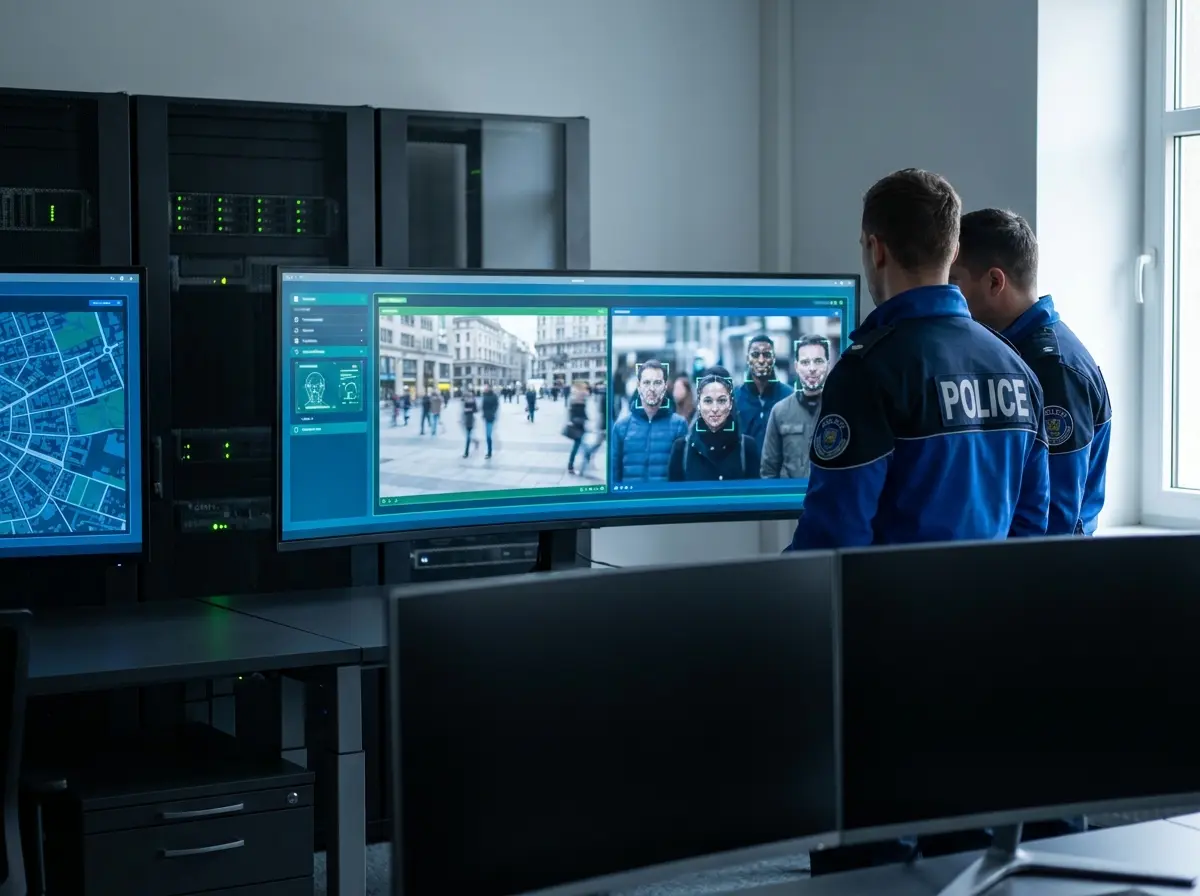
Public safety sectors have embraced facial recognition as a vital tool for maintaining order and solving crimes. Various law enforcement agencies utilize these systems to scan crowds or analyze surveillance footage from crime scenes. By comparing images against a law enforcement database, investigators can quickly identify suspects who might otherwise remain anonymous. This capability has significantly reduced the time required to track down individuals involved in serious offenses. However, the use of federal face recognition tools has also sparked intense debate regarding the limits of government surveillance.
The Role of Law Enforcement in Modern Policing
In many jurisdictions, law enforcement officials rely on federal face recognition databases to cross-reference state and federal records. These federal face records often include driver’s license photos and mugshots, providing a comprehensive enforcement database for matching purposes. When enforcement agencies deploy these tools, they can often solve “cold cases” by re-examining old evidence with new recognition technology. The efficiency of a law enforcement database allows for rapid identification during high-stakes situations, such as missing person searches or counter-terrorism operations.
Despite the benefits, the reliance on an enforcement database requires strict oversight to prevent profiling or wrongful arrests. Many law enforcement agencies are now implementing body-worn cameras that integrate with facial recognition systems in real-time. This allows officers to receive immediate alerts if they encounter an individual with an active warrant. The INTERPOL organization also facilitates international cooperation by sharing biometric data across borders to combat global crime. Such collaboration highlights the growing importance of federal face recognition in the modern geopolitical landscape.
Challenges for Law Enforcement and Civil Liberties
The expansion of law enforcement capabilities has led to calls for more transparent federal face recognition databases. Critics argue that without clear legal frameworks, enforcement agencies might overreach, infringing on the Fourth Amendment rights of citizens. To address these concerns, some cities have banned the use of facial recognition by local police, while others have established strict “use-case” policies. Ensuring that a law enforcement database is used ethically remains a top priority for civil rights advocates and technology developers alike.
Face Recognition Search, Image Search, and Reverse Image Search: Exploring Face Search Tools
The ability to perform a face recognition search has moved beyond the realm of science fiction and into the hands of everyday users. Modern image search engines now allow individuals to upload a photo to find other instances of that person online. This reverse image search capability is powered by the same underlying recognition tech used by major security firms. Whether you are looking for the source of a profile picture or trying to identify a public figure, a reverse image tool can provide results in seconds. These tools have become essential for journalists and fact-checkers verifying the authenticity of digital media.

A face search can be incredibly powerful for personal branding and reputation management. By using a reverse image search, professionals can see where their headshots are being used across the web. This helps in identifying unauthorized use of personal imagery or finding new networking opportunities. The technology behind face recognition search continues to improve, with newer models able to account for different angles and partial occlusions. As image search algorithms become more nuanced, the accuracy of these public tools is beginning to rival professional-grade facial recognition software.
However, the accessibility of reverse image technology also raises concerns about stalking and harassment. If anyone can perform a face search and find a person’s social media profiles, the concept of digital anonymity becomes nearly impossible to maintain. Users are encouraged to audit their online presence and understand how face recognition search tools might be used to aggregate their personal information. The convenience of an image search must be weighed against the potential for invasive data mining by third parties.
Social Media Platforms and Private Companies: Facial Recognition Systems and Clearview AI
While governments were early adopters, private companies have quickly integrated facial recognition into their business models. From retail stores tracking customer loyalty to tech giants organizing photo libraries, the applications are endless. Social media platforms, in particular, use face recognition to suggest tags for friends and family in uploaded photos. This automation enhances user engagement but also builds massive recognition databases owned by corporations. The commercialization of facial recognition technology has created a multi-billion dollar industry focused on biometric data.
One of the most controversial players in this space is Clearview AI. This company has built a massive database by scraping billions of photos from social media and other public websites. Clearview AI provides its face search capabilities primarily to law enforcement agencies, allowing them to identify individuals with unprecedented ease. The existence of Clearview AI has prompted numerous lawsuits and regulatory investigations regarding data scraping and consent. It serves as a primary example of how private companies can disrupt traditional notions of privacy through aggressive data collection.
The debate over Clearview AI highlights the need for comprehensive biometric privacy laws. In the United States, the Electronic Frontier Foundation (EFF) has been vocal about the dangers of unregulated facial recognition systems. They argue that when private companies control such sensitive data, the risk of data breaches or unethical sales to foreign entities increases. As social media continues to be a primary source of training data, the ethical responsibilities of these platforms are under constant scrutiny by the public and lawmakers.
Facial Recognition Accuracy, False Positives, and the Privacy Center
The effectiveness of any facial recognition system is measured by its accuracy and its rate of false positives. A false positive occurs when the facial recognition software incorrectly identifies a person as someone else. This can have devastating consequences, especially when used by law enforcement to identify suspects. Studies have shown that some facial recognition systems exhibit bias, performing less accurately on certain ethnic groups or genders. Addressing these algorithmic biases is a critical challenge for the next generation of recognition technology.
To mitigate these risks, many platforms have introduced a dedicated privacy center where users can manage their biometric settings. Within these settings, you might find a checkbox label that allows you to opt-out of automated tagging. It is important to ensure that the checkbox label label is clear and that the label label associated with the data collection is easy to understand for the average user. Transparency in how data is used is the first step toward building trust between technology providers and the public. A robust privacy center should provide detailed logs of when and where your faceprint was accessed.
Privacy advocates suggest that “privacy by design” should be the standard for all face recognition tools. This means that private companies should only collect the minimum amount of data necessary and delete it as soon as it is no longer needed. Users should look for a checkbox label that explicitly asks for consent before any biometric scanning occurs. By empowering individuals through a comprehensive privacy center, the industry can move toward a more ethical implementation of facial recognition technology. Education and clear communication remain the best defenses against the unintended consequences of biometric surveillance.
The Future of Face Recognition Technology and Recognition Tech
Looking ahead, the future of facial recognition involves more than just static image matching. We are seeing the rise of “liveness detection,” which ensures that the person being scanned is a real human and not a photograph or a deepfake. This advancement is crucial for securing financial transactions and sensitive federal face recognition portals. As recognition tech becomes more integrated with augmented reality (AR), we may soon see “smart glasses” that can provide real-time information about the people we meet. The possibilities for face recognition are expanding into healthcare, where it can be used to detect early signs of genetic disorders or monitor patient well-being.
The evolution of face recognition technology will also be shaped by global regulations. We can expect more countries to adopt laws similar to the GDPR in Europe, which places strict limits on how biometric data can be processed. As private companies and law enforcement agencies navigate these new legal landscapes, the focus will shift toward “privacy-preserving” facial recognition. This involves techniques like federated learning, where models are trained on local devices without ever sending raw images to a central recognition database. The goal is to maintain the security benefits of face recognition while protecting individual anonymity.
Conclusion
In conclusion, facial recognition is a transformative force that offers both incredible benefits and significant challenges. From the way law enforcement protects our communities to the convenience of reverse image search, the impact of this technology is undeniable. However, as we have seen with companies like Clearview AI, the potential for overreach is real. It is up to us as a society to demand transparency, ethical standards, and robust privacy controls. By understanding how face recognition work and staying informed about our rights, we can ensure that this powerful tool is used for the benefit of all.
As we move forward, the dialogue between tech developers, government agencies, and the public must continue. Only through collaboration can we create a future where facial recognition technology enhances our security without compromising our fundamental freedoms. Whether it is through a free trial of new software or a visit to a privacy center, staying engaged with the technology is essential. The journey of face recognition is just beginning, and its final destination will be determined by the choices we make today regarding privacy, ethics, and innovation.


