

Tired of staring at a spinning loading icon while trying to stream a movie or join a video call? For many people, especially outside major cities, fast and reliable internet has long been out of reach. A service called Starlink, developed by SpaceX, aims to change that.
Starlink is built on a different idea from traditional broadband. Instead of relying on underground cables or distant satellites, it delivers high speed internet from a network of satellites orbiting much closer to Earth. It was specifically designed to serve rural areas, remote homes, and regions with limited infrastructure.
This guide explains how Starlink works, how it compares to older satellite systems, what kind of performance you can expect, and how to decide if it is right for you.
Starlink vs Traditional Satellite Internet
Satellite internet has existed for years, but it often came with serious drawbacks such as high latency and slow speeds. The difference between older systems and Starlink comes down to orbit.
Traditional satellite providers typically use geostationary satellites. These orbit roughly 35,786 kilometers above Earth. Because they remain fixed over one location, signals must travel a very long distance back and forth. This creates noticeable delay, known as latency.
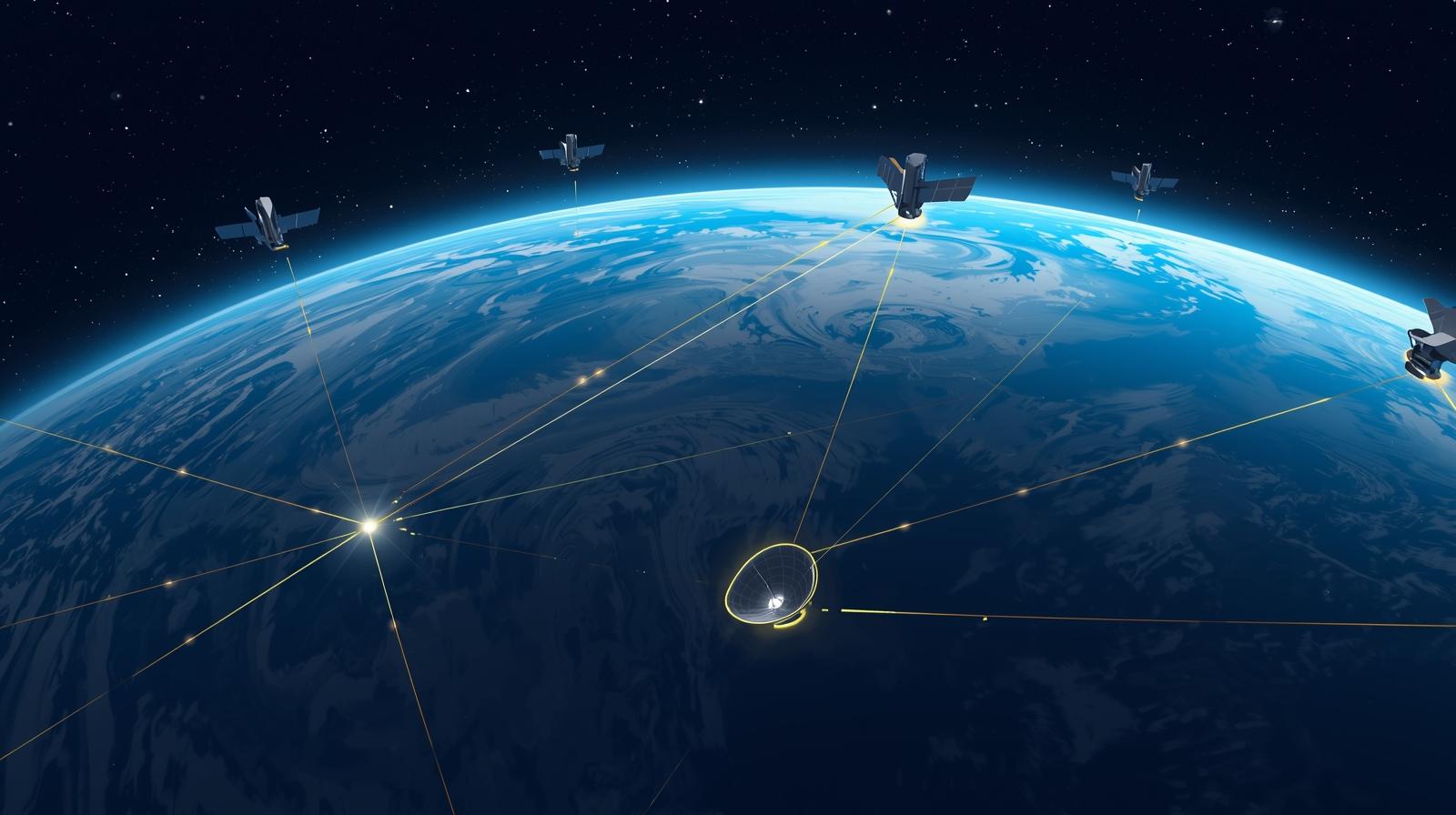
Starlink satellites operate in Low Earth Orbit at altitudes of roughly 550 kilometers. That shorter distance dramatically reduces signal travel time. Instead of a long round trip to high orbit, data moves between your dish and a much closer satellite.
The reduced distance is the key improvement. Lower latency makes everyday activities such as browsing, video conferencing, and gaming feel much more responsive compared to older satellite systems.
Understanding Latency and Speed
Many people focus only on download speed, but latency is equally important.
Download speed determines how quickly large files such as movies or software updates are transferred. Latency measures how long it takes for small packets of data to travel to a server and back.
For streaming a video, high speed is helpful. For real time activities such as online gaming or video calls, low latency is critical. High latency causes delays where people talk over each other or experience lag in games.
Because Starlink satellites orbit much closer to Earth, latency is significantly lower than traditional satellite internet. In many locations, performance feels similar to cable or fiber for everyday use.
However, actual speeds and latency can vary depending on location, network congestion, and weather conditions.
How the Starlink System Works
Starlink relies on three main components:
- A network of thousands of satellites in Low Earth Orbit.
- Ground stations connected to the global internet backbone.
- A user terminal, commonly called the Starlink dish.
When you request data, your dish sends a signal to the nearest Starlink satellite overhead. That satellite relays the signal to a ground station connected to the broader internet. The response travels back through the satellite network to your dish and into your home router.
The satellites are constantly moving across the sky. Your dish automatically tracks and switches between them to maintain a stable connection.
What Comes in the Starlink Kit
Starlink is designed for relatively simple installation. The standard kit typically includes:
- The satellite dish
- A mounting base
- A Wi Fi router
- Power and connection cables
After placing the dish in a suitable location and plugging it in, it automatically aligns itself to find the best satellite signal. There is no need to manually aim it.
The most important step is placement. The dish requires a wide and unobstructed view of the sky. Trees, buildings, and other tall objects can block signals as satellites move overhead. The official Starlink app provides a tool to scan your surroundings and check for obstructions before installation.
Weather and Signal Limitations
Starlink is engineered to handle rain and snow, but severe weather can temporarily reduce performance. Heavy storms may cause short interruptions or slower speeds.
Physical obstructions remain the most common issue. Even partial blockage from trees can lead to brief connection drops as satellites move across the sky. Proper placement is essential for consistent performance.
How Much Does Starlink Cost
Starlink typically involves two types of costs:
- A one time hardware fee for the dish and equipment
- A recurring monthly subscription fee
Unlike many traditional internet providers, the hardware must be purchased upfront. Monthly pricing varies by region and service plan.
Starlink offers different plans, including residential service for fixed addresses and mobile options designed for travelers, RV users, or temporary locations. Mobile plans may experience reduced speeds in congested areas because residential users are often prioritized.
Before subscribing, it is important to check availability in your region using the official coverage map on the Starlink website.
Who Should Consider Starlink
Starlink is especially beneficial for:
- Rural households without access to fiber or cable
- Remote work locations
- Farms and off grid properties
- RV travelers needing connectivity on the move
If you already have access to reliable fiber optic internet at a competitive price, that option may still offer higher consistent speeds and lower long term cost.
Starlink’s main advantage is accessibility. It provides broadband level performance in areas where traditional infrastructure is impractical or too expensive to install.
Is Starlink Right for You
Choosing Starlink comes down to two main questions:
- Is your current internet service slow, unreliable, or unavailable?
- Do you have a clear and unobstructed view of the sky at your location?
If both answers are yes, Starlink may offer a significant upgrade.
By using a large network of Low Earth Orbit satellites, Starlink reduces latency and expands broadband access to areas once considered unreachable. It represents a major shift in how internet service can be delivered, moving connectivity from buried cables to the open sky.
For millions of users in underserved regions, that shift could mean the difference between constant buffering and reliable, high speed access.


