

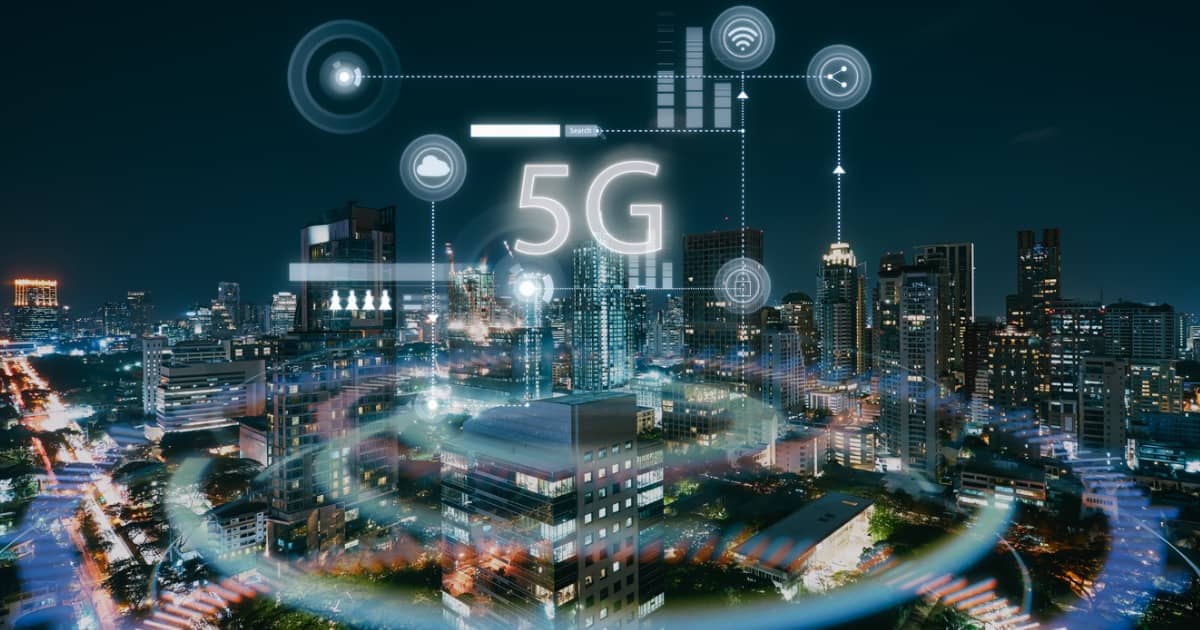
The rise of smart cities is transforming the way urban areas operate, making them more efficient, sustainable, and connected. At the heart of this transformation is 5G technology, the fifth generation of mobile networks. By providing high-speed connectivity, ultra-low latency, and massive device capacity, 5G networks enable cities to implement smarter solutions for traffic management, energy use, public safety, healthcare, and more.
This article explores the advantages of 5G networks for smart cities, highlighting how this technology supports innovation, enhances citizen experiences, and drives urban efficiency.
What is 5G Technology?
5G is the next-generation mobile network following 4G LTE, designed to meet the demands of a hyper-connected world. Unlike previous generations, 5G delivers:
- Faster speeds (up to 100 times faster than 4G)
- Lower latency (as low as 1 millisecond)
- High device density (supporting millions of devices per square kilometer)
- Improved reliability and network efficiency
These features make 5G particularly suited for smart city applications, where massive amounts of real-time data need to be processed and acted upon.
Key Advantages of 5G Networks for Smart Cities
1. Real-Time Traffic Management
Traffic congestion is a major challenge for growing cities. 5G enables real-time monitoring and control of traffic flow through connected sensors, cameras, and autonomous vehicles.
Benefits include:
- Optimized traffic lights and intersection control
- Reduced congestion and travel times
- Improved public transportation scheduling
- Safer roads through connected vehicle systems
By allowing vehicles and infrastructure to communicate instantly, 5G supports smarter mobility solutions.
2. Enhanced Public Safety
Smart cities rely on technology to ensure citizen safety. 5G networks improve public safety through:
- High-definition surveillance cameras with live monitoring
- Real-time communication between emergency services
- Faster alert systems for natural disasters or accidents
These capabilities allow authorities to respond more quickly and efficiently to emergencies, reducing risks and saving lives.
3. Smart Utilities and Energy Management
5G networks enable utilities to operate more efficiently by connecting devices such as smart meters, sensors, and grids.
Advantages include:
- Real-time energy consumption monitoring
- Optimized electricity distribution
- Reduced energy waste and costs
- Faster detection of faults or outages
Smart energy management contributes to sustainability and lower operational costs for cities.
4. Advanced Healthcare Services
5G supports healthcare in smart cities by enabling:
- Remote patient monitoring and telemedicine
- Real-time data transfer for medical devices
- AI-assisted diagnostics and decision-making
These innovations make healthcare more accessible, especially for residents in remote areas or during emergencies.
5. Support for Autonomous Vehicles
Autonomous and connected vehicles rely on ultra-fast, low-latency networks to operate safely. 5G enables:
- Instant communication between vehicles and traffic infrastructure
- Real-time navigation adjustments
- Safer roads through predictive analytics
This integration contributes to smoother traffic flow and reduced accident risks.
6. IoT Connectivity
The Internet of Things (IoT) is critical for smart cities, connecting devices like sensors, cameras, meters, and appliances. 5G allows cities to:
- Connect millions of devices simultaneously
- Collect and analyze large-scale data efficiently
- Enable predictive maintenance of infrastructure
IoT applications powered by 5G can improve urban planning, environmental monitoring, and citizen services.
7. Boosting Economic Growth and Innovation
The adoption of 5G in smart cities drives innovation across industries. Startups, tech companies, and municipal governments can leverage high-speed networks to develop solutions for mobility, energy, healthcare, and entertainment.
Businesses can benefit from improved connectivity, data-driven insights, and faster digital transformation. Municipalities can even apply principles similar to Choosing the Right ERP for Your Business by integrating smart city systems with analytics platforms for streamlined operations.
Challenges and Considerations
While 5G offers significant advantages, cities must consider:
- Infrastructure costs: Building 5G networks requires investment in small cells and fiber-optic networks.
- Privacy and security: High connectivity means more data to protect. Cybersecurity measures are critical.
- Regulation and standardization: Governments and authorities must ensure compliance with standards and safety guidelines.
- Digital divide: Cities must ensure equal access to 5G services to avoid excluding certain populations.
Planning and strategic investment are essential to maximize 5G’s potential.
Future Outlook
As 5G networks continue to expand, smart cities will increasingly rely on real-time data and connected devices to optimize services, reduce costs, and improve citizen quality of life. Integration with emerging technologies like AI, augmented reality (AR), and autonomous vehicles will further enhance urban efficiency and sustainability.
By adopting 5G, cities can transform public services, infrastructure management, and citizen engagement, creating safer, cleaner, and more connected urban environments.
Final Thoughts
The advantages of 5G networks for smart cities are transformative. From traffic management and public safety to healthcare and economic growth, 5G enables real-time, data-driven decision-making that makes cities smarter, safer, and more efficient.
As urban populations continue to grow, investing in 5G infrastructure will not only support innovation but also improve the day-to-day lives of residents, ensuring that smart cities are truly connected, sustainable, and resilient.


