

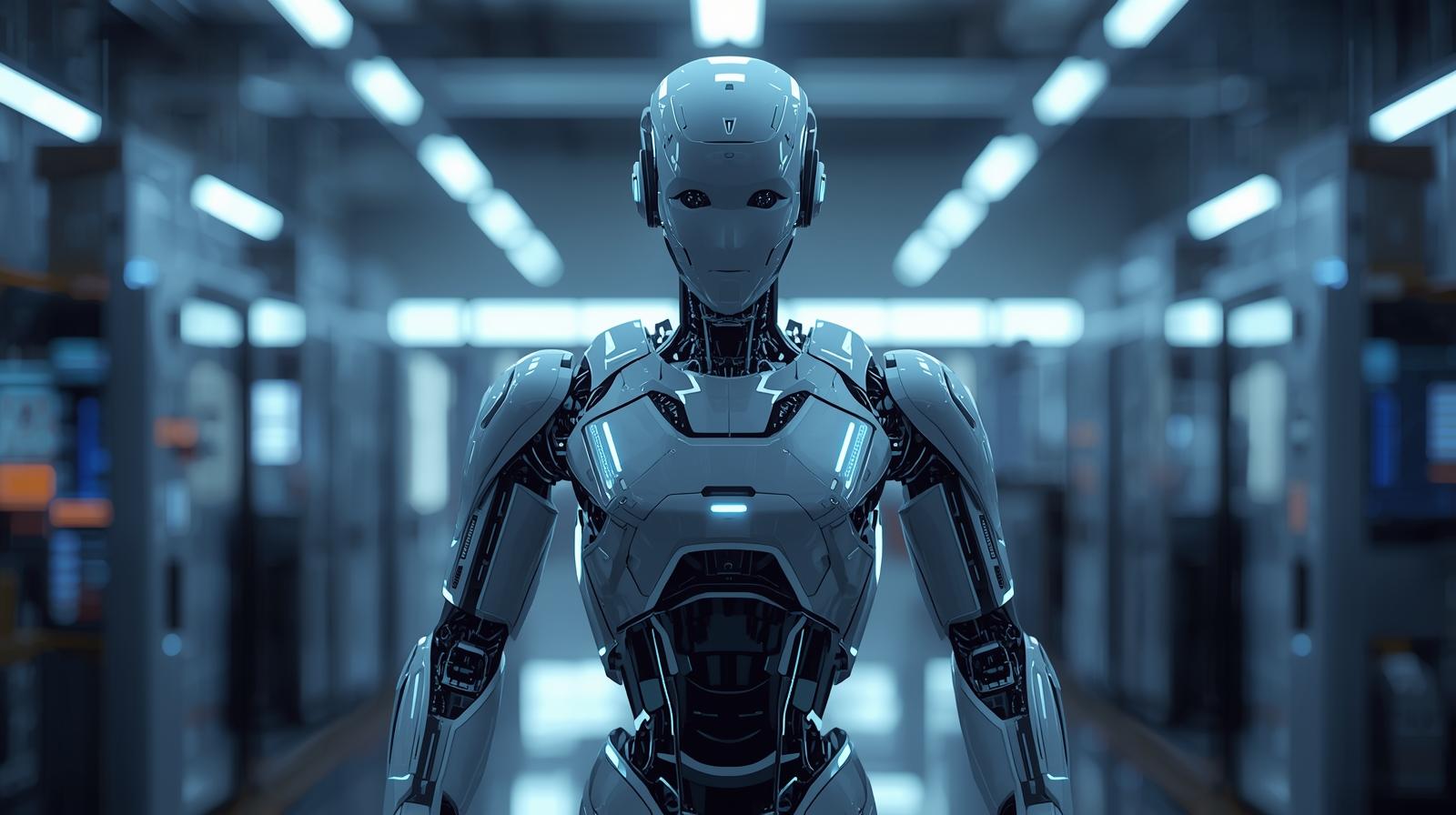
In the rapidly evolving landscape of automation, Tesla has once again captured the world’s attention with its groundbreaking innovation—Tesla Bot, an advanced humanoid robot. This article delves into the exciting world of Tesla’s robotics, examining the technology, potential applications, and the impact it may have on industries and society at large.
Tesla’s foray into robotics is a testament to its commitment to pushing the boundaries of technology. The Tesla Bot, also known as Optimus, was unveiled during the Tesla AI Day event, sparking intrigue and speculation about its capabilities and future applications. Designed to perform tasks that are repetitive, dangerous, or otherwise undesirable for humans, the Tesla Bot represents a significant leap forward in automation technology.
The Tesla Bot is engineered with several key features that distinguish it from other robotics innovations. Standing at 5 feet 8 inches and weighing 125 pounds, the robot is designed to navigate through human environments with ease. Equipped with an advanced AI system, the Tesla Bot is capable of understanding and interacting with its surroundings through sophisticated sensors and cameras.
Furthermore, its design emphasizes safety and efficiency. The robot’s humanoid form factor allows it to perform a variety of tasks, from carrying heavy loads to assembling parts, all while being programmed with safety protocols to prevent any harm to humans.
The question on everyone’s mind is undoubtedly, “How much is a Tesla robot?” While Tesla has yet to release official pricing for the Tesla Bot, industry analysts speculate that the cost will be influenced by factors such as production scale, technological advancements, and market demand.
Initially, the Tesla Bot may be priced at a premium due to its cutting-edge technology and novelty. However, as production scales and technology becomes more accessible, the cost is expected to decrease, making it more attainable for businesses and potentially even consumers.
Tesla Bot’s potential to transform industries is vast. In manufacturing and logistics, the robot can automate repetitive tasks, reducing the need for human labor in hazardous environments. This not only enhances workplace safety but also increases operational efficiency and productivity.
In the retail sector, Tesla Bot could redefine customer interactions. Imagine a retail environment where robots assist customers in locating products, managing inventories, or even handling transactions. Such innovations could lead to a more streamlined shopping experience and improved customer satisfaction.
The healthcare industry stands to benefit significantly from Tesla’s robotics technology. From assisting with patient care to managing medical supplies, the Tesla Bot’s ability to perform precise, repetitive tasks can alleviate the workload on healthcare professionals, allowing them to focus on more critical aspects of patient care.
As with any technological advancement, the introduction of the Tesla Bot raises important ethical considerations. The deployment of humanoid robots in various sectors necessitates a discussion on job displacement, privacy, and the ethical treatment of robotic entities.
One of the primary concerns is the potential impact on employment. While automation can lead to increased efficiency, it also poses a risk to jobs traditionally performed by humans. Organizations must navigate this transition carefully, ensuring that workforce reskilling and upskilling are prioritized to mitigate job displacement.
The integration of AI and robotics into everyday life also brings privacy and security concerns to the forefront. As robots interact with sensitive data and environments, it is crucial to implement robust security measures to protect against data breaches and unauthorized access.
Tesla’s venture into robotics is not just about creating a functional humanoid robot; it’s about laying the groundwork for a future where robots and humans coexist harmoniously. Tesla envisions a world where robots handle the mundane and dangerous tasks, allowing humans to focus on creativity, innovation, and personal growth.
For businesses, the strategic integration of Tesla Bot into operations requires alignment with organizational goals. Companies must evaluate how this technology can enhance their value proposition, improve customer experiences, and drive growth while considering the long-term implications on their workforce and societal responsibilities.
The introduction of Tesla Bot marks a new chapter in automation technology, one that promises to reshape industries and redefine how we interact with machines. As we stand on the brink of this technological revolution, it is imperative to approach it with a balanced perspective, embracing the potential benefits while addressing the ethical and societal challenges it presents.
Tesla’s robot is more than just a marvel of engineering; it is a symbol of the transformative power of technology and a glimpse into a future where the possibilities are limited only by our imagination.
In the words of Tesla CEO Elon Musk, “The future is going to be weird,” and with innovations like the Tesla Bot, that future is closer than we think.


