

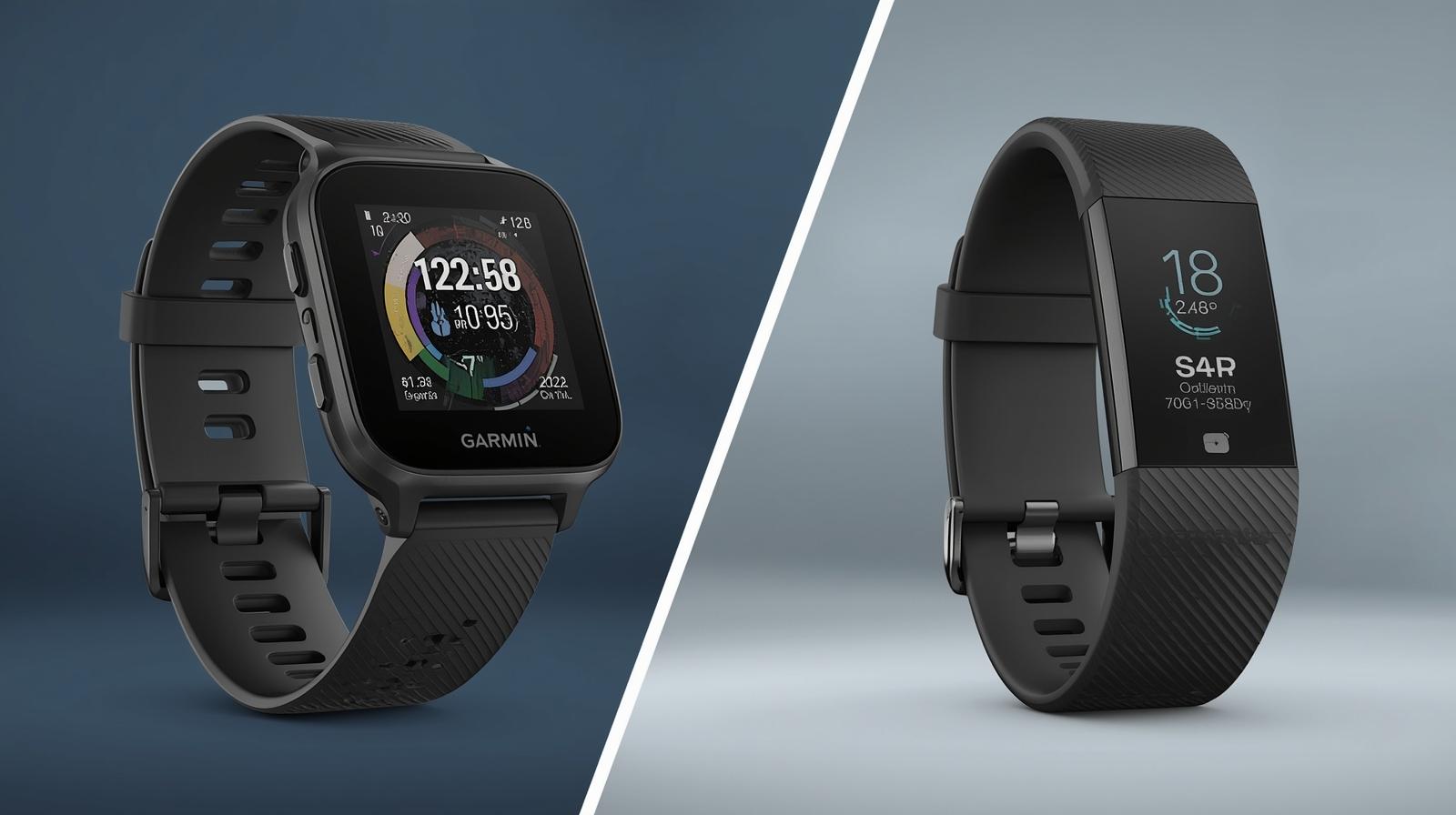
In the realm of fitness trackers, two brands have consistently stood out: Garmin and Fitbit. Both have a strong reputation for delivering high-quality devices that cater to a range of fitness and lifestyle needs. However, choosing between these two can be challenging, especially with the rapid technological advancements and updates they frequently introduce.
This article aims to delve into the specifics of Garmin vs Fitbit, providing a comprehensive comparison to help you make an informed decision. We’ll explore their features, functionalities, and the unique advantages each brand offers.
Fitness trackers have evolved from simple step counters to sophisticated devices that monitor a variety of health metrics. As we explore Garmin and Fitbit, it’s essential to understand the core aspects that define a great fitness tracker: accuracy, battery life, user interface, and additional health features.
- Accuracy: A fitness tracker must provide accurate data on steps, heart rate, and other health metrics.
- Battery Life: Longer battery life ensures your tracker can go the distance with you, without frequent charging interruptions.
- User Interface: An intuitive interface makes it easier to access and interpret your health data.
- Health Features: Advanced health features, such as sleep tracking, stress monitoring, and heart rate variability, add value to the device.
Garmin has carved a niche for itself among serious athletes and outdoor enthusiasts. Known for their robust build and precise tracking capabilities, Garmin devices are often the go-to choice for those who demand more from their fitness trackers.
- Advanced GPS and Mapping: Garmin is renowned for its superior GPS accuracy, making it perfect for runners, cyclists, and hikers who need precise route tracking and navigation.
- Durability: Built to withstand harsh environments, Garmin trackers are water-resistant and rugged, ideal for outdoor adventures.
- Comprehensive Health Metrics: Beyond basic step counting and heart rate monitoring, Garmin offers advanced metrics such as VO2 max, training load, and recovery time, catering specifically to athletes.
- Customization and Connectivity: With a wide array of apps and widgets available through the Garmin Connect IQ store, users can tailor their devices to fit specific needs.
If you’re an athlete or someone who regularly engages in outdoor activities, Garmin’s precise tracking and durable design make it an excellent choice. Its extensive suite of health metrics provides valuable insights for improving performance.
Fitbit, on the other hand, appeals to a broader audience. Known for its user-friendly design and comprehensive health monitoring features, Fitbit devices are perfect for anyone looking to improve their overall wellness.
- User-Friendly Design: Fitbit’s interface is intuitive and easy to navigate, making it accessible for users of all ages.
- Comprehensive Health Monitoring: Fitbit excels in providing a holistic view of health, including sleep tracking, stress management, and heart health.
- Community Engagement: With Fitbit’s social features, users can connect with friends, join challenges, and stay motivated.
- Long Battery Life: Fitbit devices typically offer long battery life, allowing for extended use without frequent charging.
Fitbit is ideal for individuals seeking a comprehensive health monitoring tool with a focus on overall wellness. Its user-friendly design and community engagement features make it an excellent choice for beginners and casual users.
When it comes to performance, Garmin’s GPS capabilities are unmatched, offering superior accuracy for outdoor activities. Fitbit, however, excels in comprehensive health monitoring, providing a well-rounded view of your health.
Both brands offer impressive battery life, though Garmin tends to edge out slightly with its more extensive battery options across different models.
Fitbit’s interface is more user-friendly, making it ideal for those new to fitness tracking. Garmin, while slightly more complex, offers a wealth of data for those who want detailed insights into their performance.
Generally, Fitbit devices are more affordable, making them a great choice for budget-conscious users. Garmin’s higher-end models justify their price with advanced features tailored for serious athletes.
Ultimately, the decision between Garmin and Fitbit boils down to your specific needs and preferences. If you’re an athlete or someone who values advanced performance metrics, Garmin is likely the better choice. However, if you’re looking for an accessible, all-round fitness tracker with excellent health monitoring capabilities, Fitbit is hard to beat.
Both brands continue to innovate, pushing the boundaries of what fitness trackers can do. As you make your choice, consider what features are most important to you and how they align with your fitness goals.
Whether you opt for Garmin or Fitbit, you’ll be investing in a device that can significantly enhance your understanding of your health and fitness, helping you make informed decisions about your lifestyle and wellness journey.


