

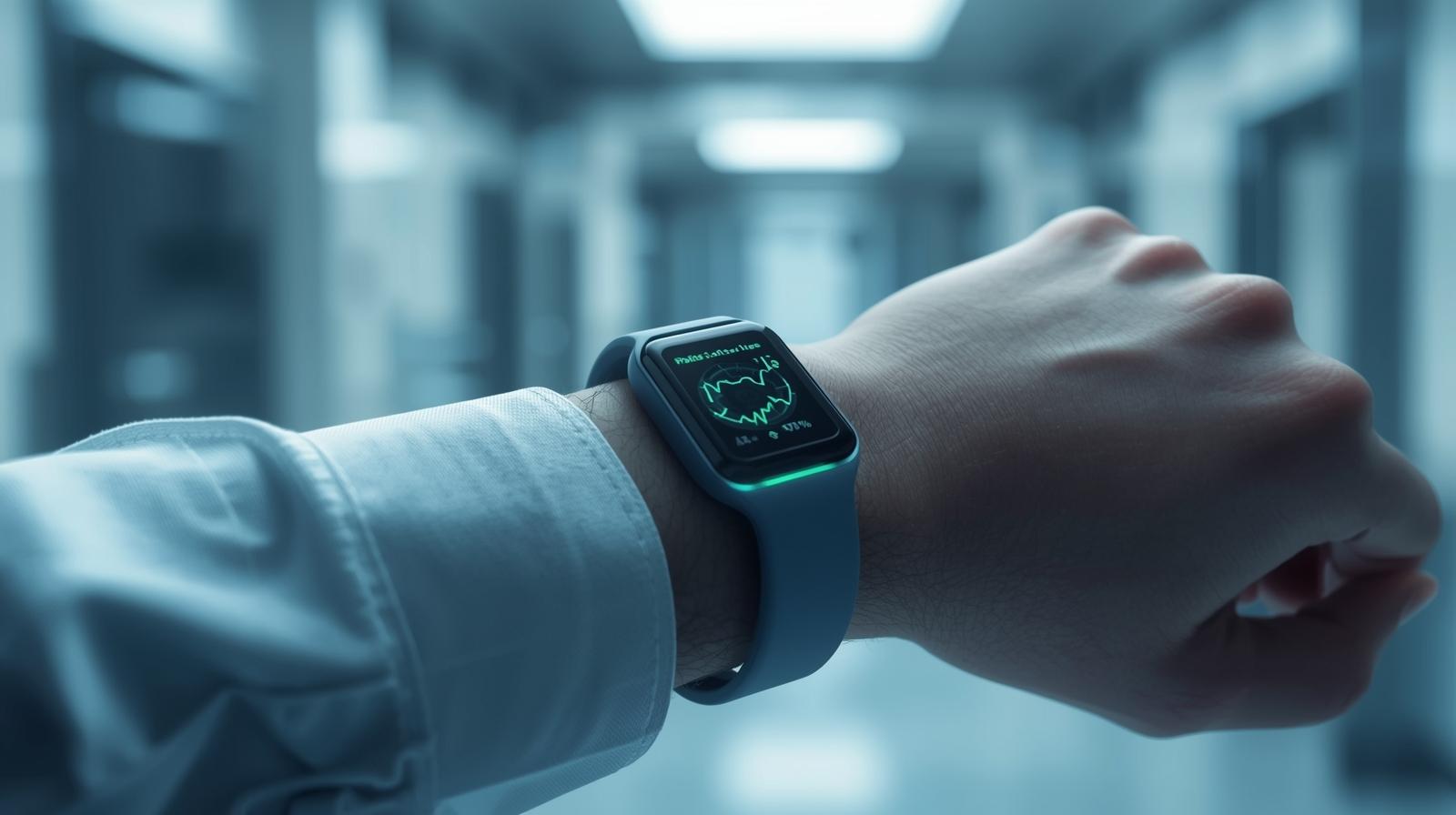
In the fast-evolving landscape of healthcare, wearable technology is emerging as a transformative force. These compact, user-friendly devices are not just trendy accessories but are pivotal in reshaping patient care and engagement. As we delve into the world of wearable tech in healthcare, we explore how these innovations are enhancing remote patient monitoring, boosting healthcare efficiency, and providing real-time insights into patient health.
Wearable technology is not a novel concept, but its integration into healthcare has recently gained significant traction. Devices such as smartwatches, fitness trackers, and biosensors are revolutionizing how healthcare providers monitor and manage patient health. The global market for wearable healthcare devices is expected to reach new heights, driven by the increasing demand for remote health monitoring and personalized medicine.
Remote patient monitoring (RPM) is a critical component of modern healthcare, and wearable technology plays a crucial role in its implementation. These devices collect and transmit data related to vital signs, activity levels, and even medication adherence in real-time, allowing healthcare providers to monitor patients’ health without the need for constant in-person visits.
For instance, chronic disease management, such as diabetes or heart disease, benefits immensely from RPM. Patients can use wearable devices to track their glucose levels or heart rate, and this data is transmitted to healthcare professionals who can intervene promptly if any anomalies are detected.
One of the most compelling advantages of wearable tech in healthcare is the ability to provide continuous, real-time data. This capability not only empowers patients to take charge of their health but also enables healthcare providers to make informed decisions quickly. The insights derived from this data can lead to early diagnosis, timely interventions, and ultimately, improved patient outcomes.
For example, continuous glucose monitors (CGMs) provide diabetics with real-time feedback on their blood sugar levels, allowing them to adjust their diet and insulin intake accordingly. Similarly, heart rate monitors can alert users to irregular heartbeats, prompting immediate medical attention.
While the potential of wearable technology in healthcare is immense, its implementation is not without challenges. Addressing these issues is crucial for the successful integration of these devices into mainstream healthcare.
The collection and transmission of sensitive health data through wearable devices raise significant privacy and security concerns. Ensuring robust data protection measures and compliance with regulations such as the Health Insurance Portability and Accountability Act (HIPAA) is paramount to safeguarding patient information.
Another challenge lies in seamlessly integrating wearable tech with existing healthcare systems. Interoperability is key to ensuring that data collected from wearable devices can be effectively used alongside other patient information to provide a comprehensive view of the patient’s health.
The accuracy and reliability of data provided by wearable devices are critical for their success in healthcare. Manufacturers must ensure that their devices are rigorously tested and validated to provide trustworthy data that healthcare providers can rely on for decision-making.
The future of wearable technology in healthcare is promising, with innovations continually emerging to address existing challenges and enhance patient care further. Here are some trends to watch:
The integration of artificial intelligence (AI) and machine learning (ML) with wearable technology is set to revolutionize healthcare further. These technologies can analyze vast amounts of data collected by wearables to identify patterns, predict health events, and personalize patient care.
Wearable technology is expanding beyond fitness and chronic disease management. Emerging applications include mental health monitoring, sleep analysis, and even remote rehabilitation. These developments will broaden the scope of wearable tech, making it an even more integral part of healthcare.
To maximize the adoption of wearable devices, manufacturers are focusing on enhancing user experience. This includes designing devices that are comfortable, easy to use, and aesthetically pleasing, ensuring that patients are more likely to incorporate them into their daily lives.
For Chief Technology Officers (CTOs), Business Strategists, and Innovation Managers, the rise of wearable technology in healthcare presents both opportunities and challenges. Understanding the strategic implications of these innovations is essential for leveraging their potential.
To stay competitive, industry leaders must align wearable tech with their business goals. This involves developing strategies that incorporate these devices into their service offerings, enhancing patient care, and driving business growth.
Keeping abreast of emerging trends in wearable technology is crucial for maintaining a competitive edge. Industry leaders should invest in research and development to explore new applications and stay ahead of the curve in this rapidly evolving field.
As wearable technology continues to reshape healthcare, its impact on industry dynamics must be continuously assessed. This involves analyzing how these innovations affect market competition, regulatory environments, and patient expectations.
Wearable technology is revolutionizing patient care by enabling remote monitoring, providing real-time insights, and enhancing patient engagement. While challenges remain, the future of wearable tech in healthcare is bright, with innovations poised to overcome existing barriers and unlock new possibilities. As industry leaders, understanding and leveraging these advancements will be key to driving growth and maintaining a leadership position in the healthcare sector.


