

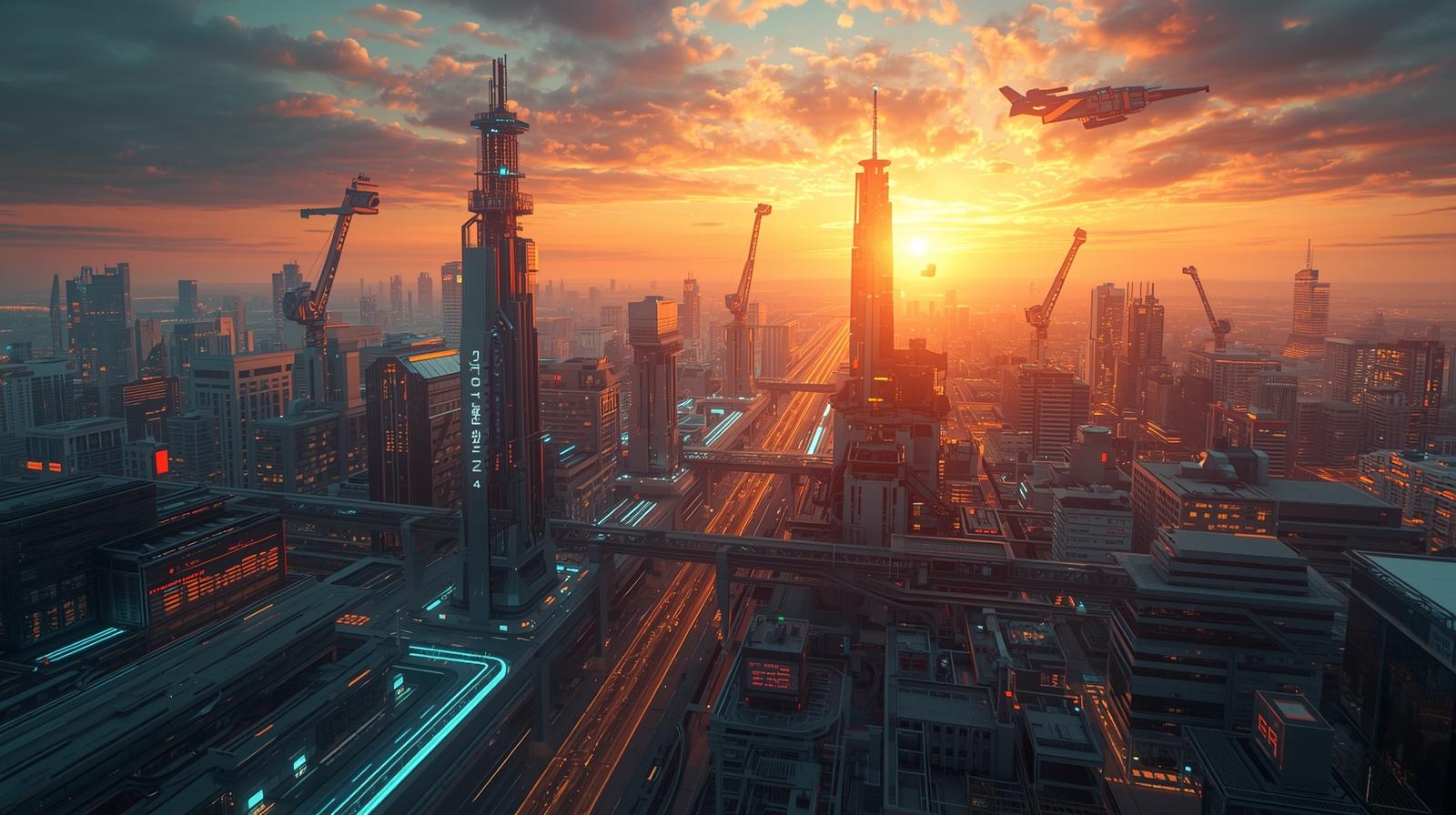
The industrial revolution we are witnessing today is a testament to the transformative power of innovation. As technology continues to advance at a rapid pace, industries worldwide are leveraging new tools and methodologies to optimize operations, enhance productivity, and create unprecedented value. This article explores key innovations that are propelling modern industrialization, focusing on smart manufacturing and the broader implications of this new industrial age.
Smart manufacturing lies at the core of today’s industrial revolution. By integrating advanced technologies such as the Internet of Things (IoT), artificial intelligence (AI), and robotics, industries are achieving levels of efficiency and precision previously thought unattainable. IoT devices collect and analyze data in real-time, enabling manufacturers to make informed decisions quickly. Meanwhile, AI algorithms optimize production processes, reduce waste, and predict maintenance needs, minimizing downtime.
Robotics and automation are playing crucial roles in redefining manufacturing processes. Automated systems streamline operations, reduce human error, and increase safety in potentially hazardous environments. These technologies not only enhance productivity but also allow for more flexible manufacturing systems capable of adapting to changes in demand with minimal delay.
In the age of digital transformation, data is the new oil. Companies are harnessing big data analytics to drive informed decision-making, enabling them to foresee market trends and adapt strategies proactively. By utilizing vast amounts of data, businesses can enhance supply chain efficiency, improve product quality, and tailor customer experiences to meet evolving needs.
Sustainability is becoming an integral part of modern industrial strategies. As environmental concerns gain prominence, industries are increasingly focusing on eco-friendly practices. Innovations such as energy-efficient production systems and sustainable resource management are essential in reducing the environmental footprint of manufacturing processes. These sustainable approaches not only benefit the planet but also improve a company’s reputation and competitiveness.
While the benefits of these innovations are clear, their implementation is not without challenges. Integrating new technologies requires significant investment and organizational change. Companies must navigate issues related to cybersecurity, workforce training, and technological compatibility. Moreover, the rapid pace of technological advancement necessitates continuous learning and adaptation.
Today’s industrial revolution is a dynamic and ongoing journey. For Chief Technology Officers, Business Strategists, and Innovation Managers, staying ahead means embracing these innovations while strategically aligning them with business objectives. By leveraging smart manufacturing, data-driven insights, and sustainable practices, industries can not only enhance their current operations but also pave the way for future growth and success.
As we look ahead, the key to thriving in this new industrial era lies in the ability to adapt, innovate, and remain resilient in the face of change. What steps is your organization taking to stay at the forefront of this revolution? Share your thoughts and experiences in the comments below.


